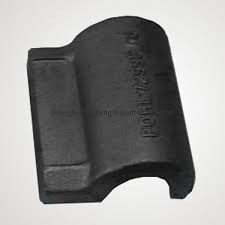
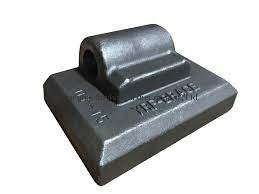
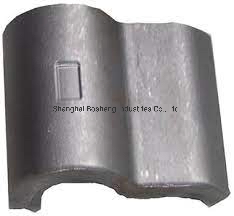
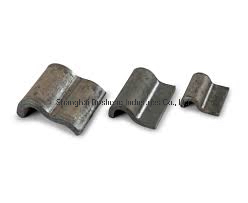
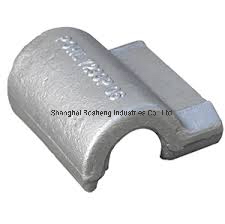
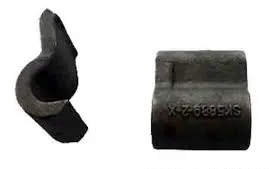
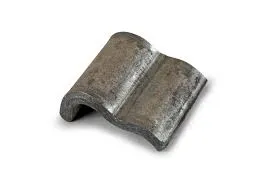
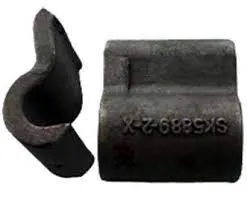
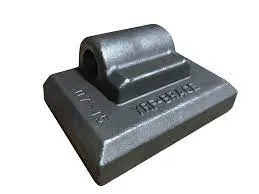
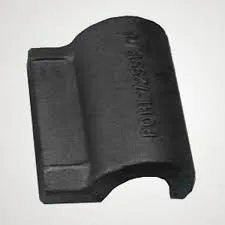
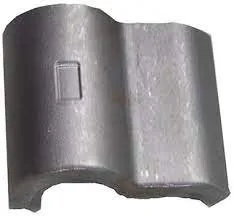
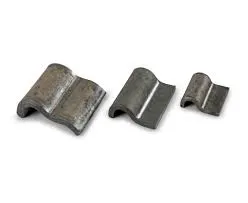
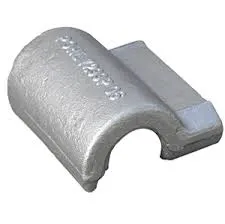
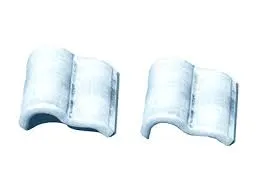
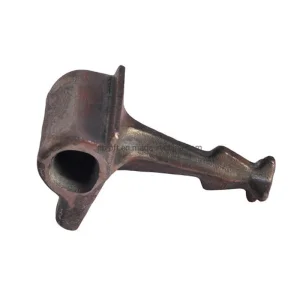
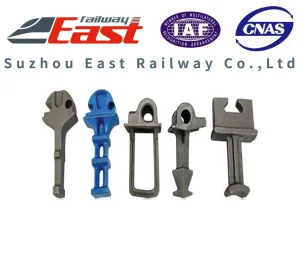
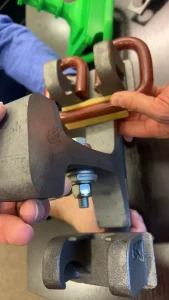
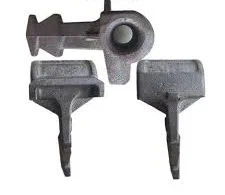
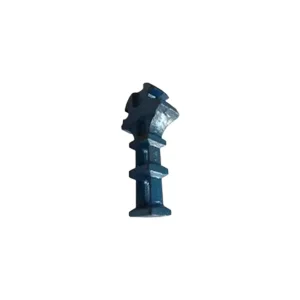
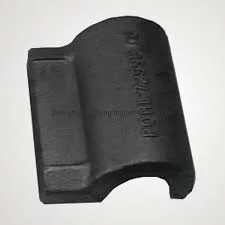
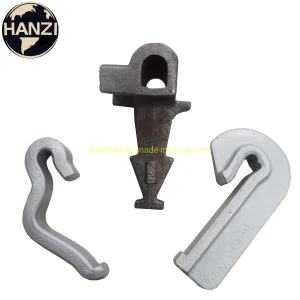
Rail shoulder, also called rail iron shoulder, is mainly used to be cast in the concrete ties to fixate elastic rail clips. According to the shape, it can be classified into Single Stem Rail Iron Shoulder and Twin Stems Rail Iron Shoulder. Besides, based on manufacturing methods, rail shoulders can be divided into three types: casting rail shoulder, weld-on rail shoulder, and hot forging rail shoulder.
The rail shoulder is embedded in concrete at the time of casting. It is used to grip the clip effectively and provides lateral support to the rail. It acts as a semi-embedded part to fix the elastic rail clip to the base plate. Common types include Cast-in Shoulders and Weld-on Shoulders.
?
Frequently Asked Questions
What is the main function of a rail shoulder?
The rail shoulder is used to fixate elastic rail clips and provide essential lateral support to the rail within concrete ties.
What are the common manufacturing methods for rail shoulders?
There are three main types: casting rail shoulders, weld-on rail shoulders, and hot forging rail shoulders.
What is the difference between single stem and twin stem shoulders?
Single stem shoulders are typically used in pre-stressed concrete ties, while twin stem shoulders are used in bi-block or twin-block concrete ties.
How do you ensure the quality of the rail shoulders?
We follow a strict ISO 9001 quality management system, including raw material verification, batch sampling, and physical/chemical testing.
What is the annual production capacity?
Our current production capacity for rail shoulders and related railway fasteners is 500,000 tons per year.
What kind of transport packaging is used?
Products are securely packed in bundles using steel wire rods to ensure safety during transit.
 DTRX Orthopedic Implants