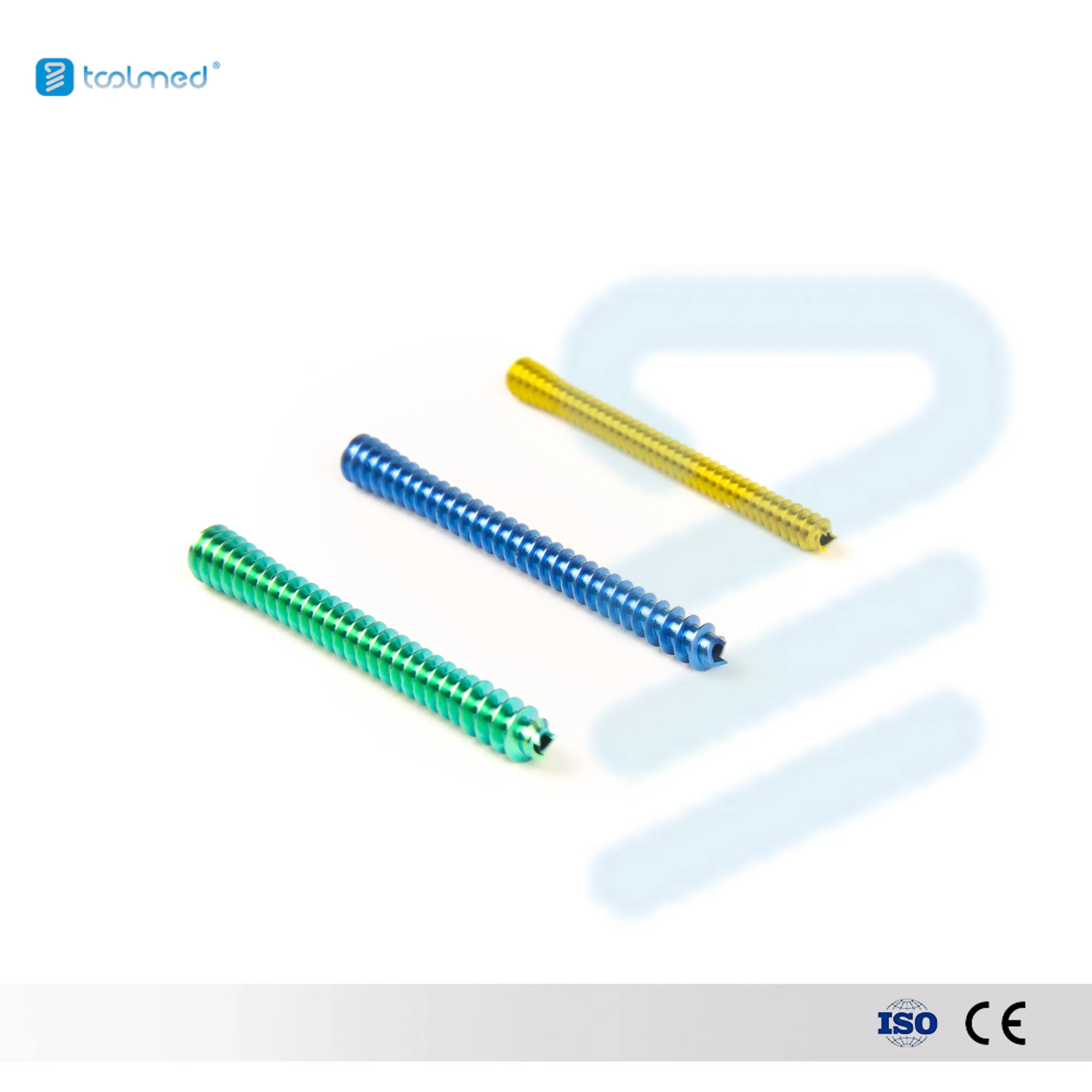
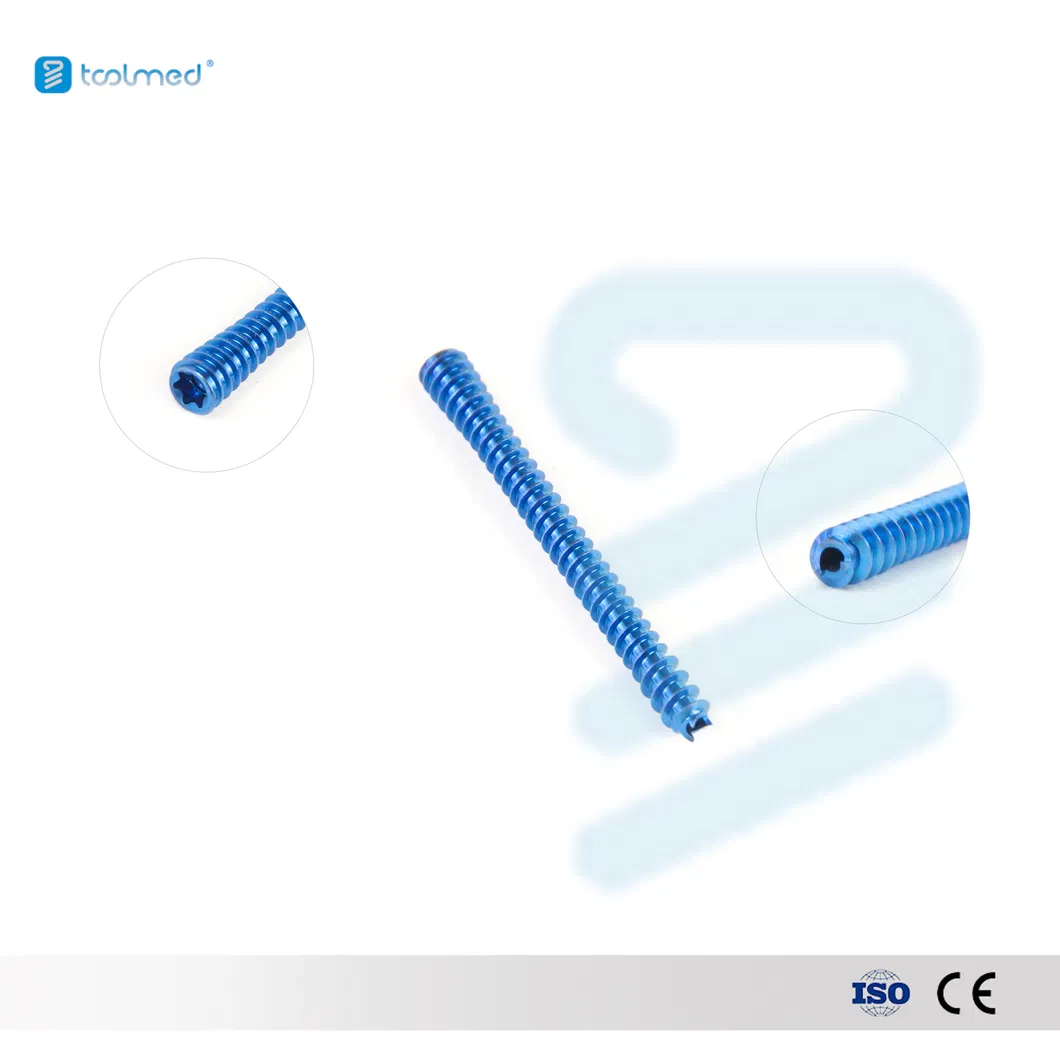
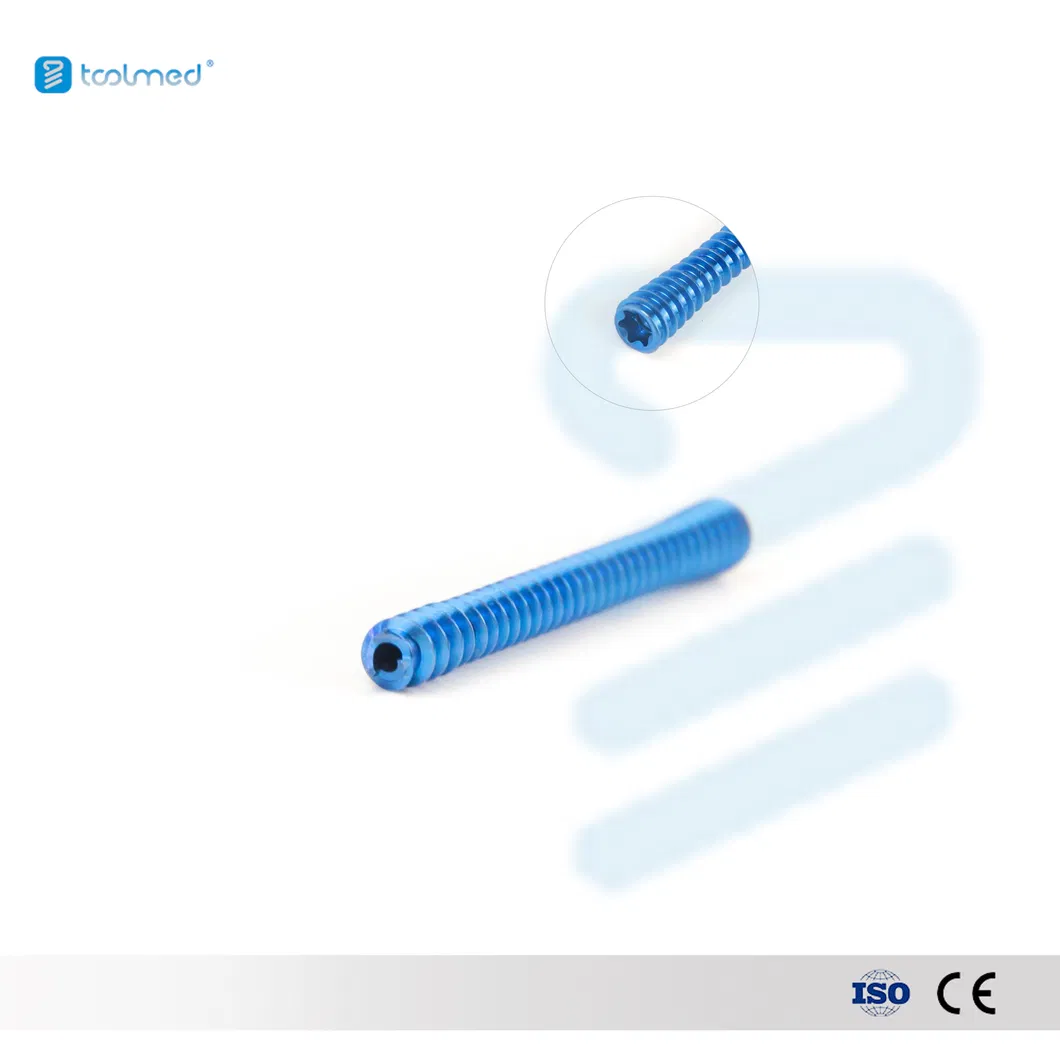
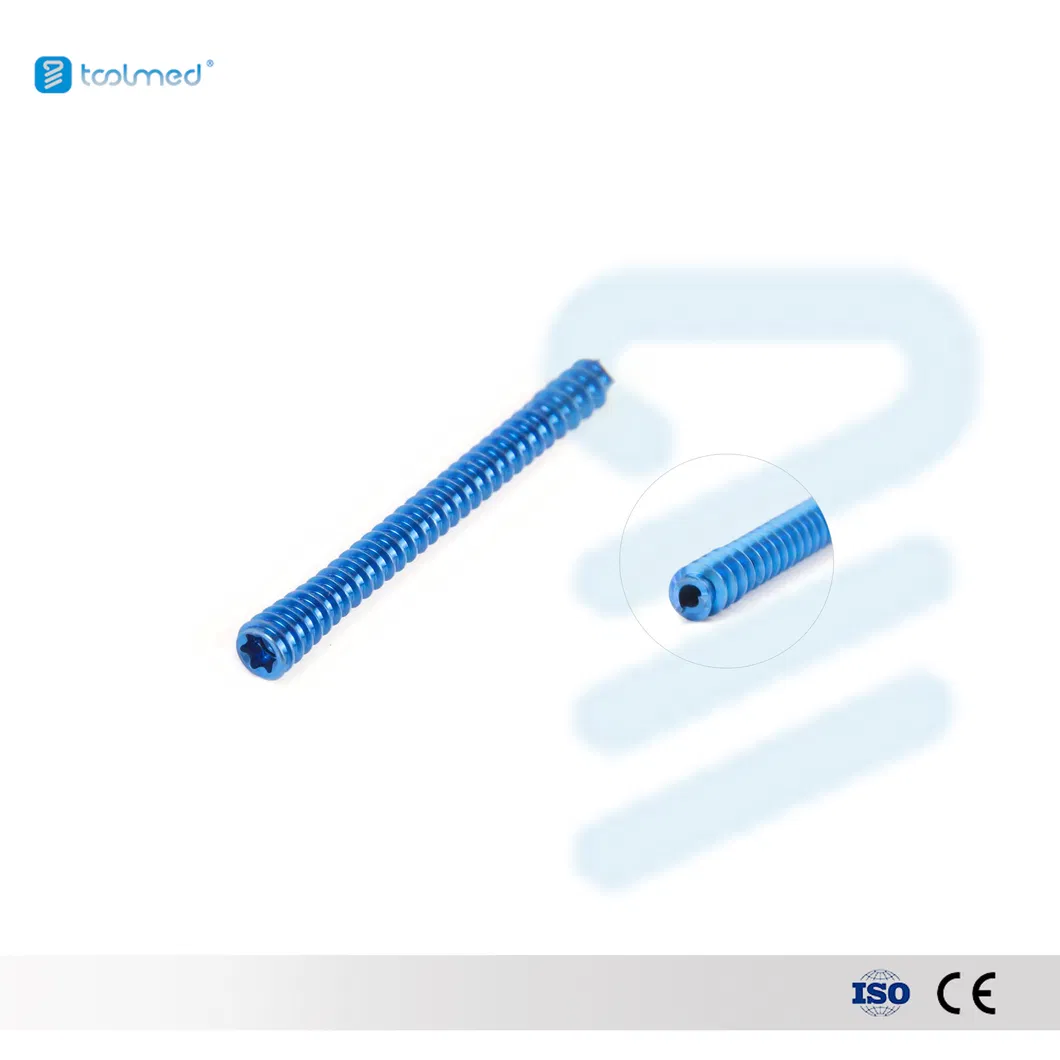
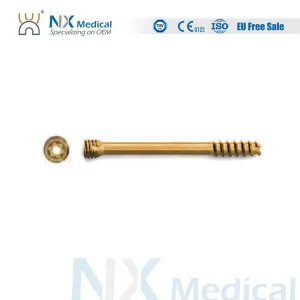
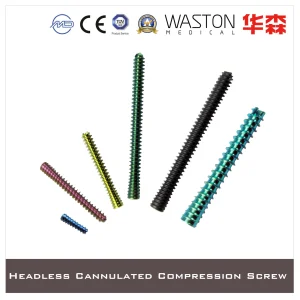
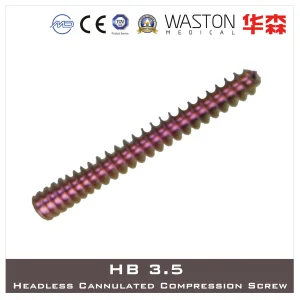
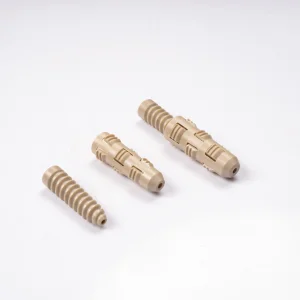
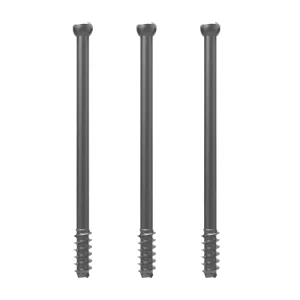
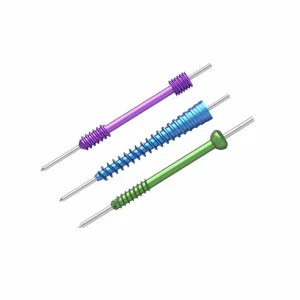
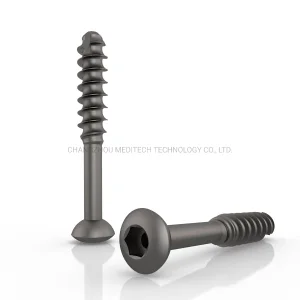
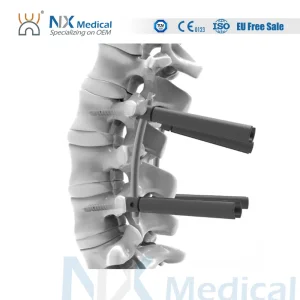
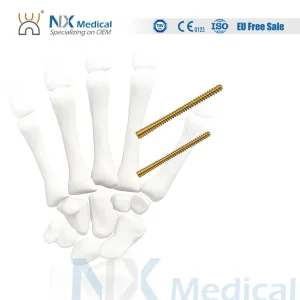
Headless Compression Hollow Screw Cannulated Screw Bone Screws Orthopedic Implants Bone Implant

Still deciding? Get samples of $ !
Request Sample

Product Description

Basic Information
Model NO.Cannulated Screw
ColorCustomized
ApplicationTrauma Surgery
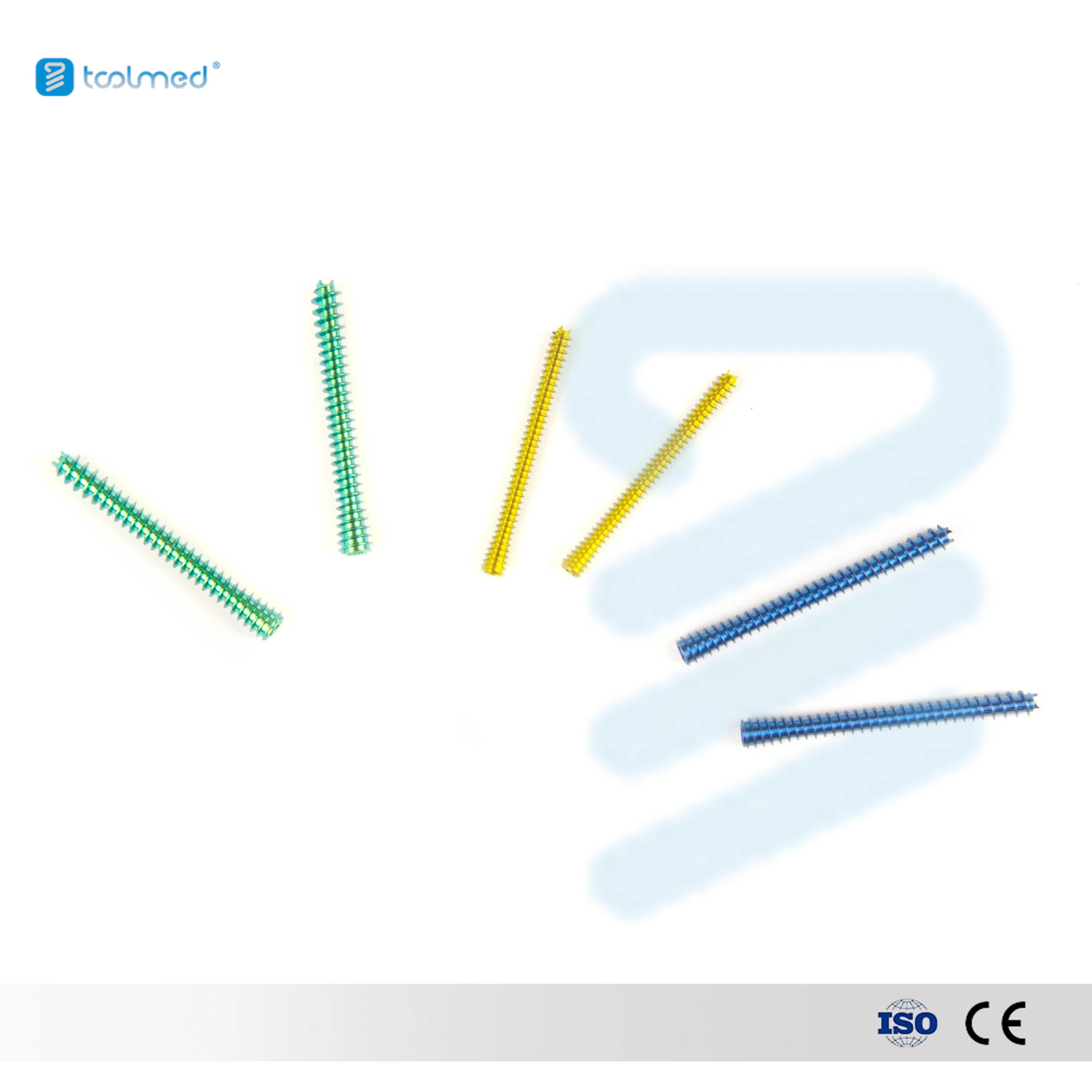
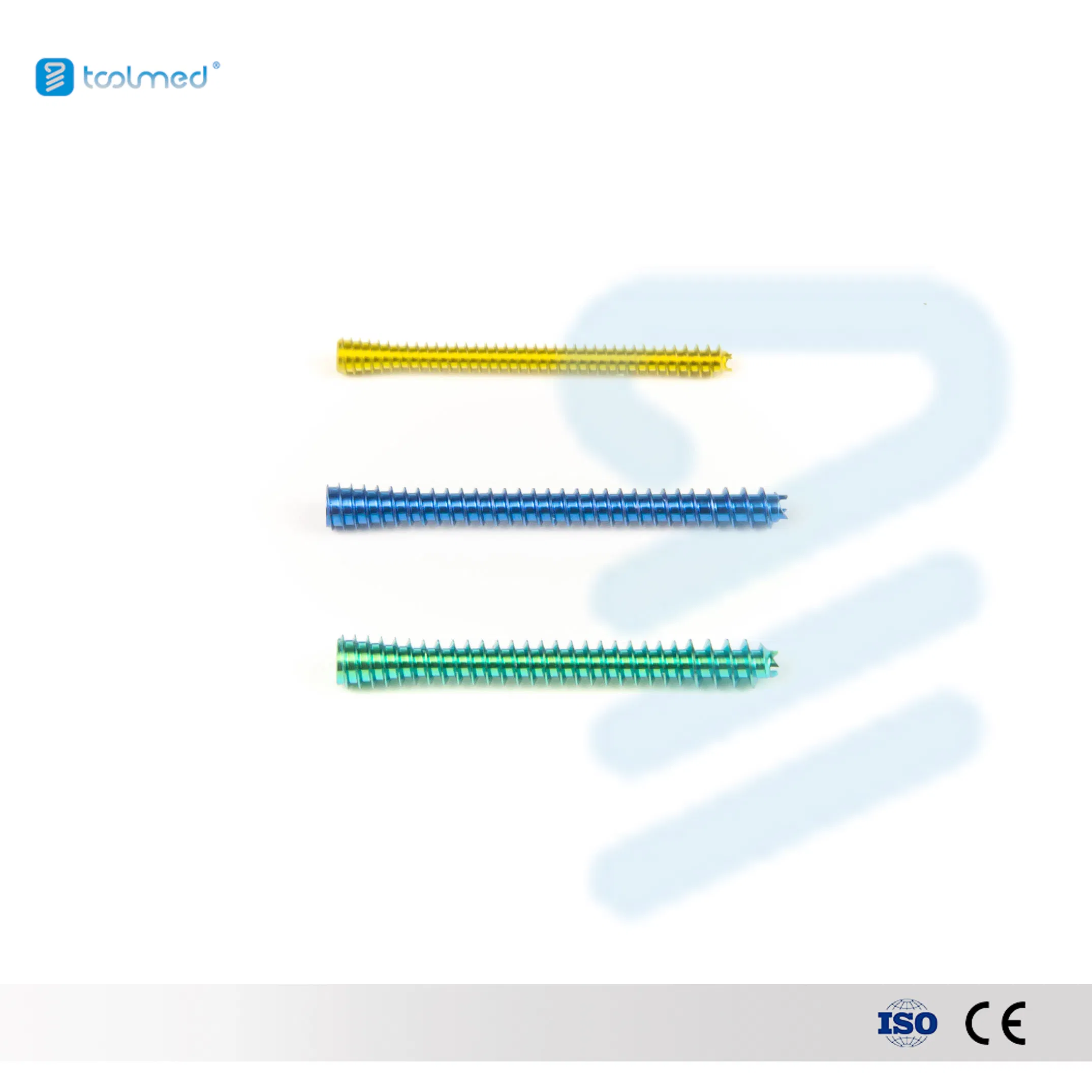
MaterialTitanium Alloy
TransportationDHL / TNT / FedEx / Air Flight
Transport PackagePlastic Bag / Carton
Specification3.0 / 3.5 / 4.0 / 5.0
OriginChina
HS Code902110000
Production Capacity300,000 Pieces / Year
Product Description
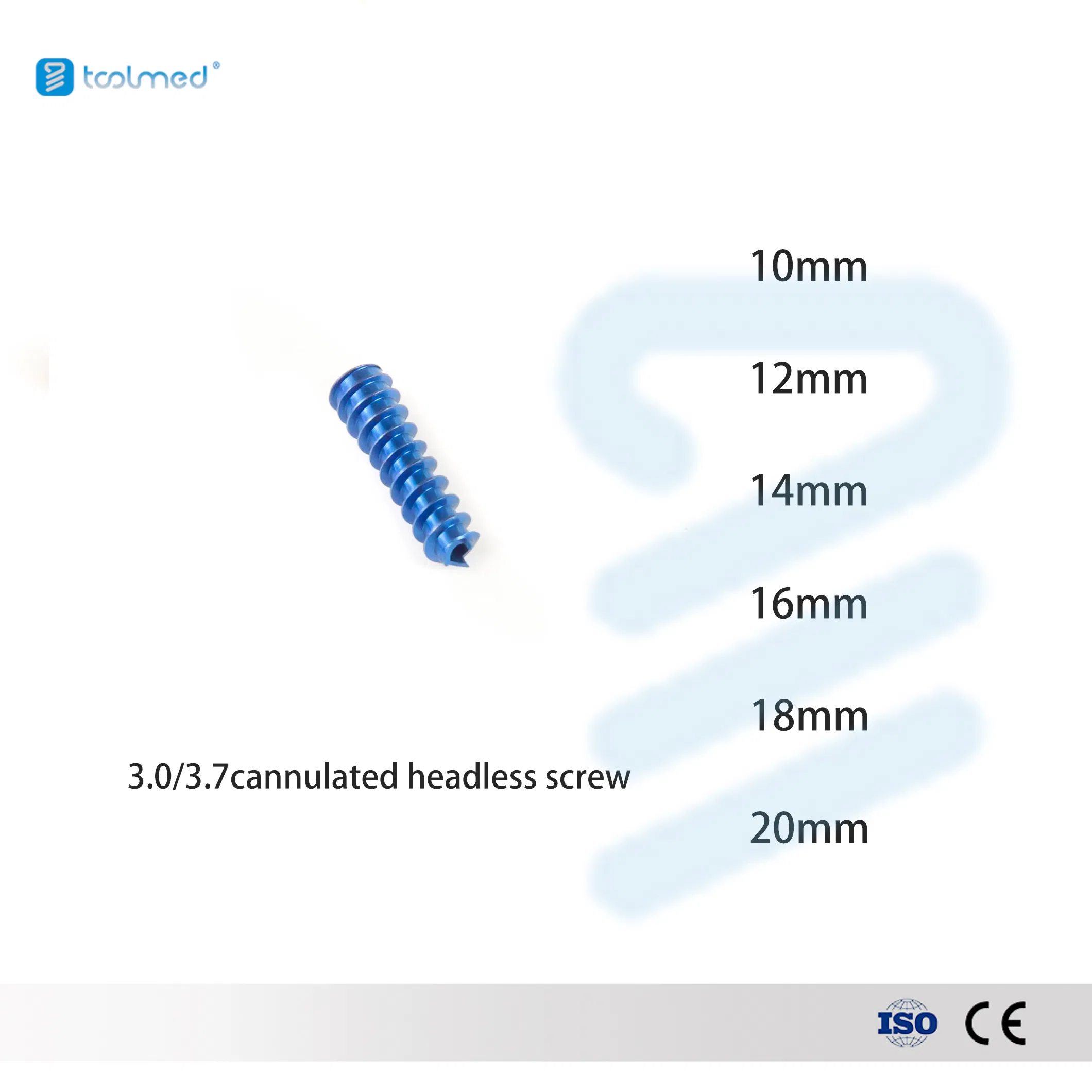
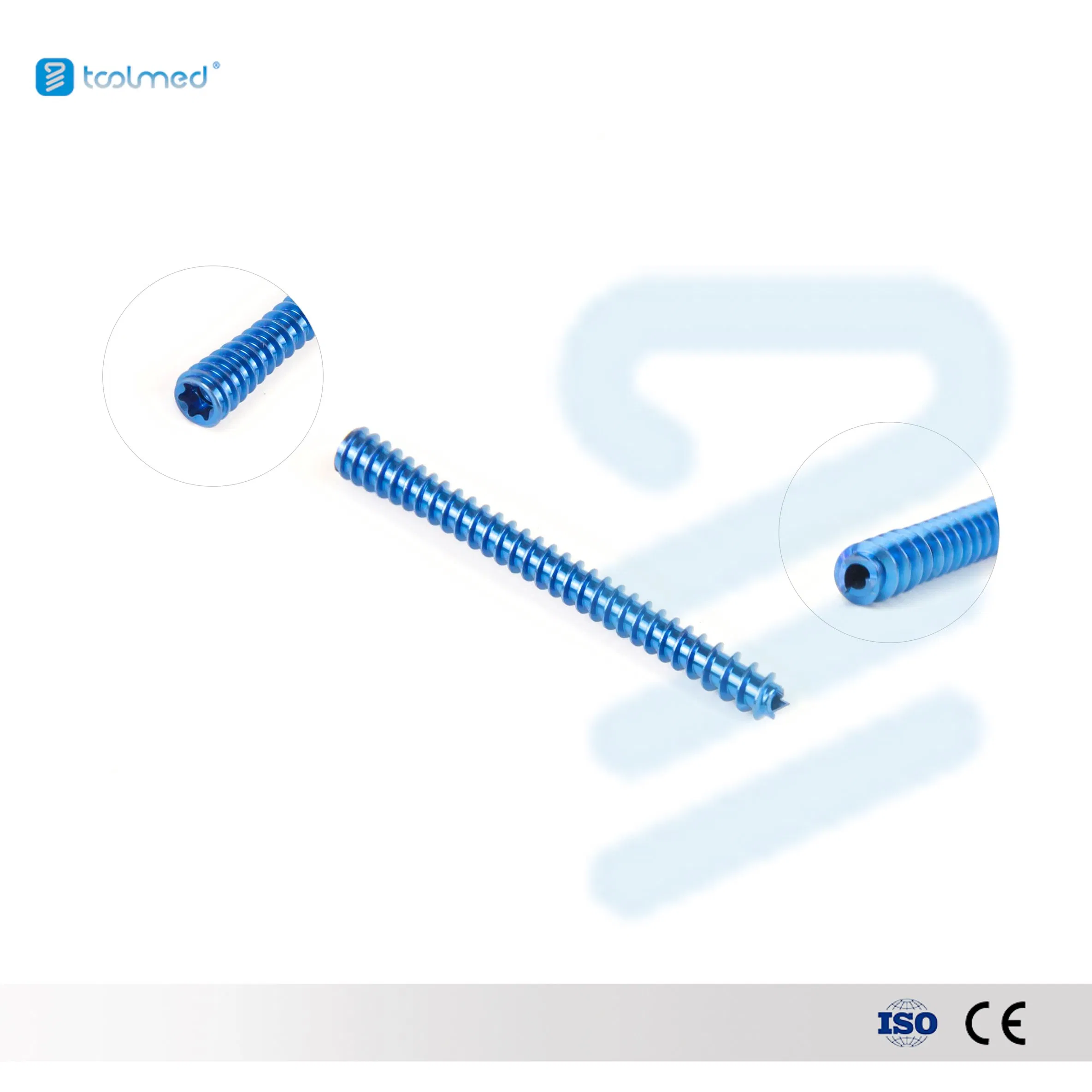
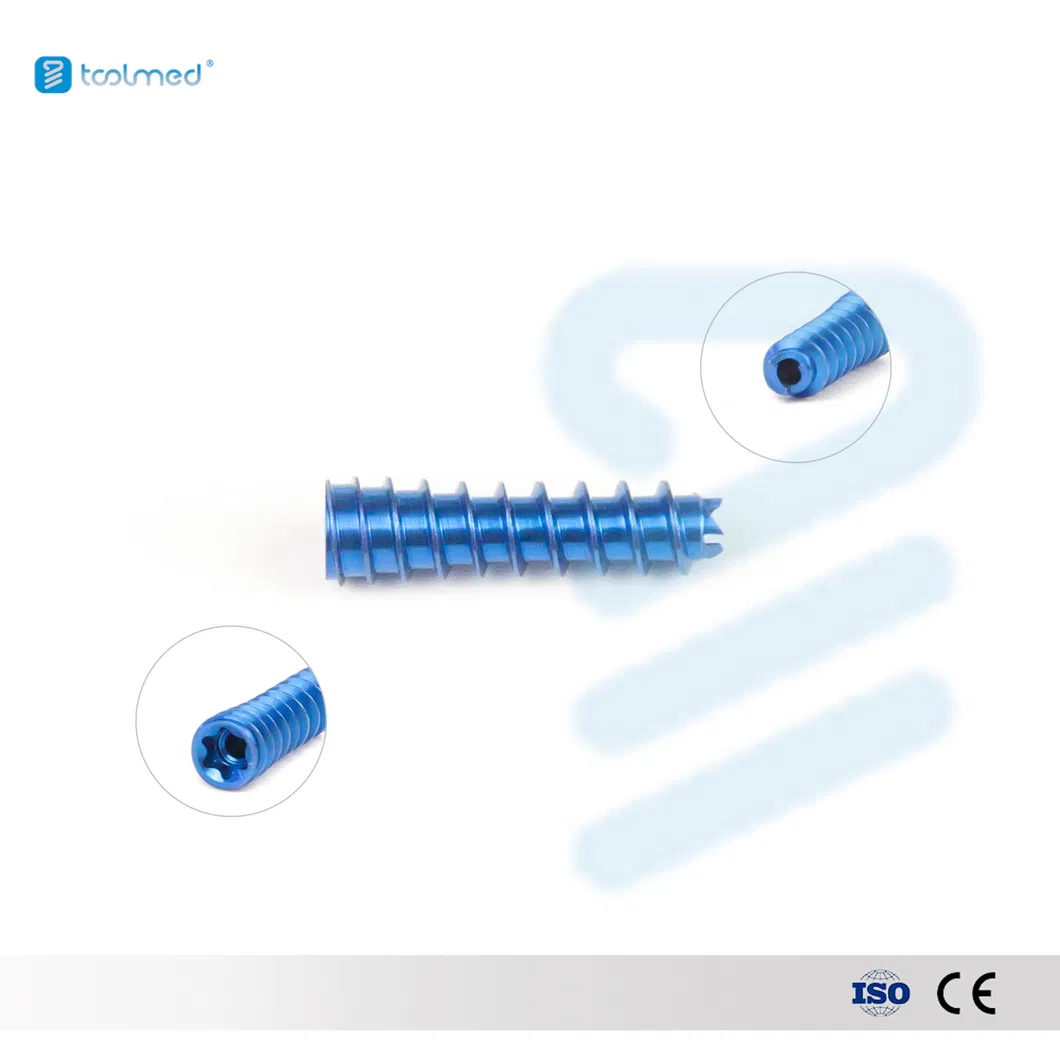
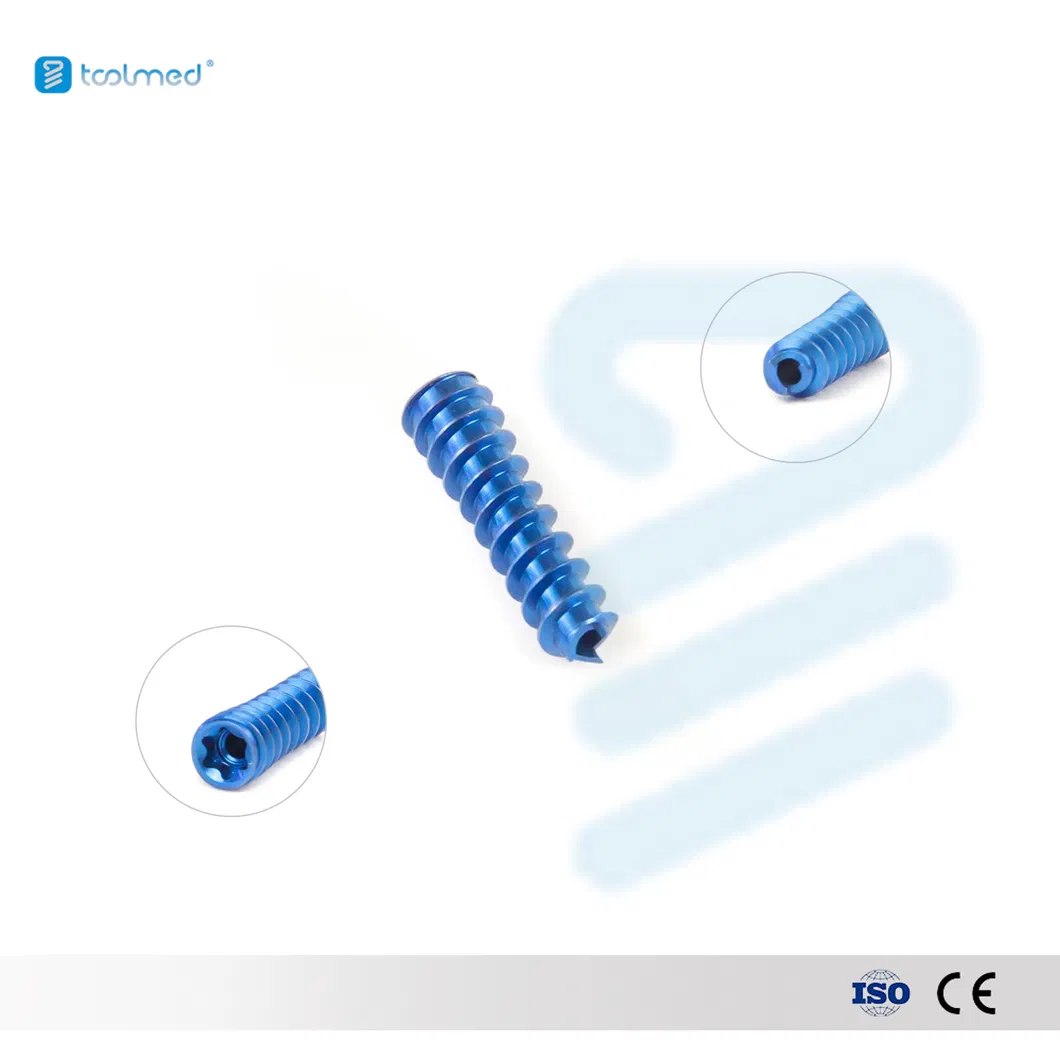
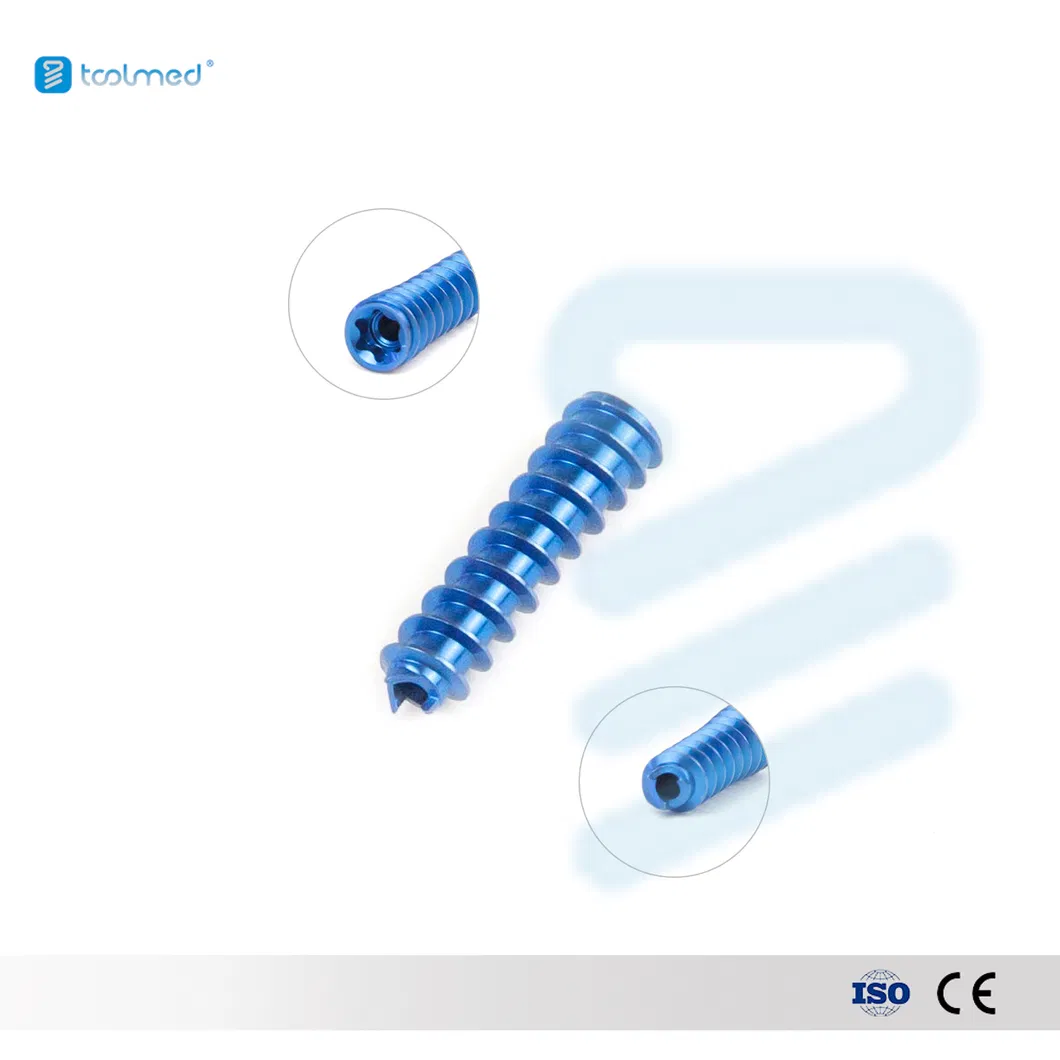
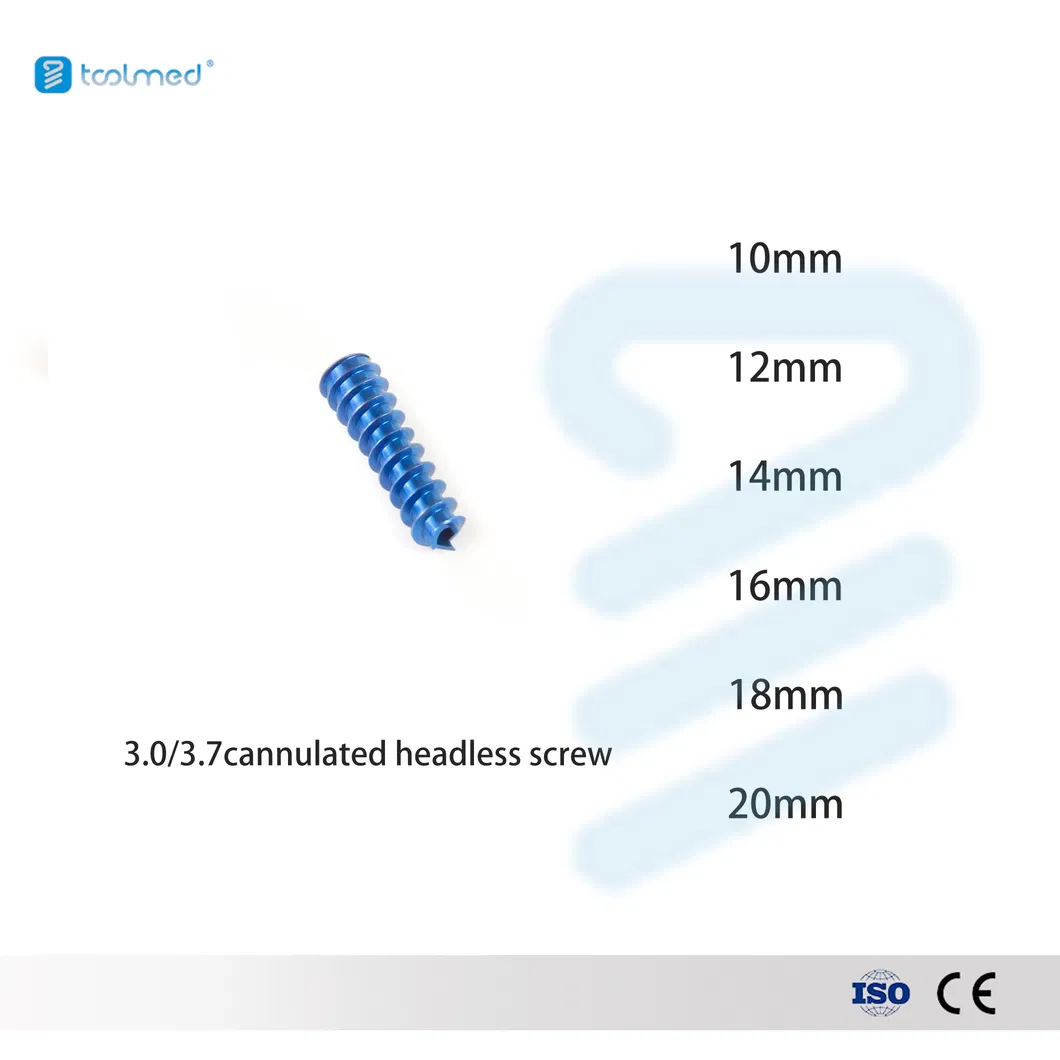
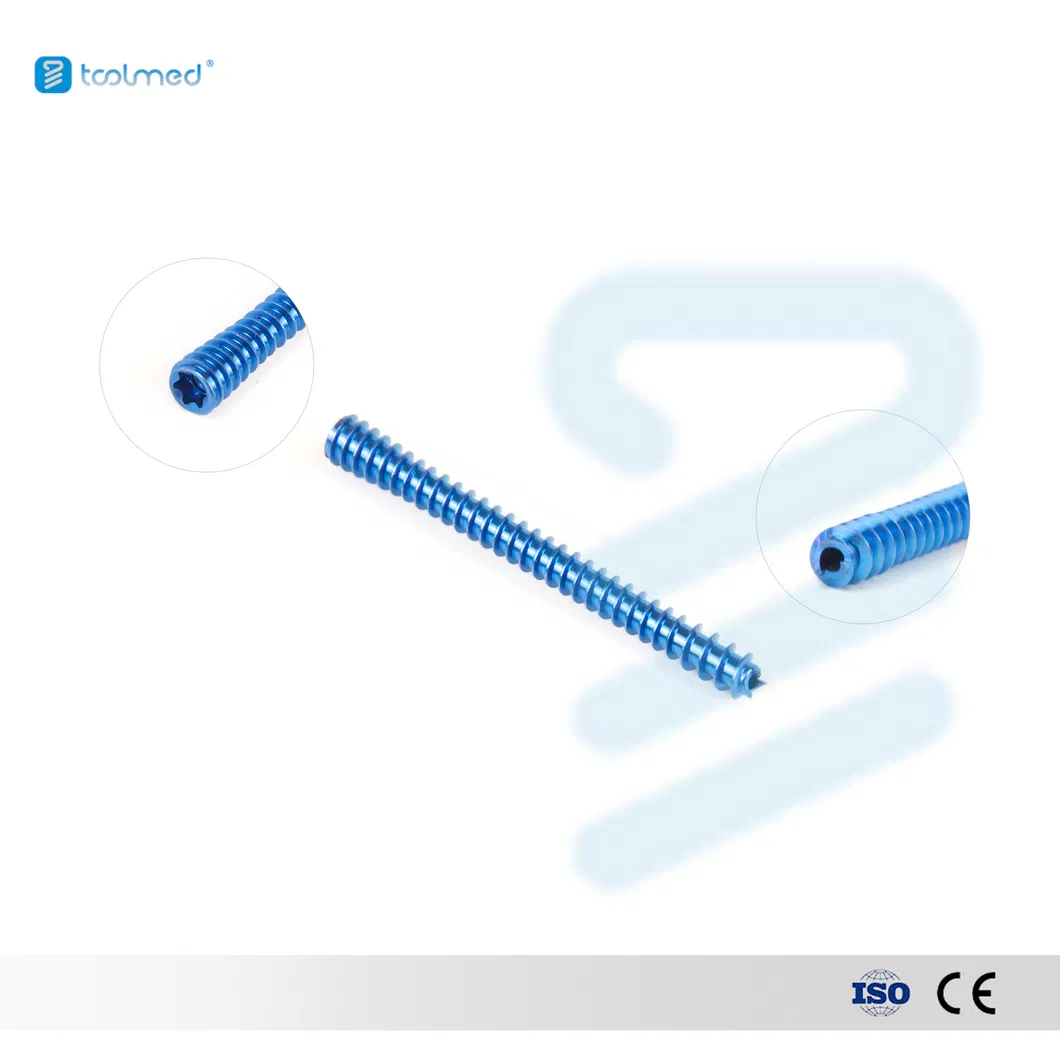
What is a Cannulated Headless Compression Screw?

A Cannulated Headless Compression Screw (CHCS) is a specialized orthopedic implant used primarily for fracture fixation, such as scaphoid fractures. The screw is designed to generate significant compression across the fracture site and is countersunk below the articular surface to minimize interference with surrounding soft tissues and joint movement.

Surgical Technique
1. Incision and Exposure

Make a small incision (1-3 cm) near the fracture site, avoiding major nerves and vessels. Gently separate muscles and fascia layer by layer to fully expose the fracture end.

2. Fracture Reduction

Utilize manual traction, rotation, and lifting to restore anatomical position. Continuously monitor alignment using C-arm fluoroscopy for precision.

3. Guide Wire Insertion

Insert the guide wire under fluoroscopic guidance along the designed direction. The wire should be perpendicular to the fracture plane for optimal stability.

4. Determination of Screw Length

Measure the required length using a dedicated measuring device over the guide wire. Ensure the tip is firmly against the bone for accuracy.

5. Drilling

Select an appropriate cannulated drill bit. Drill along the guide wire while using irrigation solution to prevent thermal injury to the bone tissue.

6. Screw Insertion and Fixation

Mount the screw onto the compression sleeve and advance it over the guide wire. Turning the sleeve closes the fracture gap. Finalize by advancing the screw head until it is flush with the bone surface.
Key Advantages
  • Reduced Soft Tissue Damage: Headless design prevents protrusion and irritation of surrounding tissues.
  • Increased Stability: Provides superior compression and fixation compared to traditional screws.
  • Minimally Invasive: Facilitates faster recovery times and smaller surgical scars.
  • Better Irrigation: The cannulated (hollow) center allows for easier cleaning and reduces infection risks.
Product Visuals
Frequently Asked Questions
How long does it take to recover from CHCS surgery?
Recovery time depends on the fracture severity. Most patients start rehabilitation within a few weeks post-surgery, with significant improvement seen over several months.
Can these screws be removed after the bone has healed?
Yes, if the screws cause pain or complications after healing, they can be removed. However, many remain permanently if they are asymptomatic.
What materials are these screws typically made of?
They are most commonly manufactured from high-grade Titanium Alloy or Stainless Steel to ensure biocompatibility and strength.
Are there restrictions on activities after the procedure?
Patients are usually advised to avoid weight-bearing on the affected limb for several weeks. Your physician will provide a specific timeline based on your recovery progress.
Why is the headless design important?
The headless design allows the screw to be fully buried within the bone, preventing the screw head from irritating tendons or interfering with joint mechanics.
Is this procedure minimally invasive?
Yes, because the screws are cannulated and inserted over a guide wire, they allow for precise placement through very small incisions.

Related Products