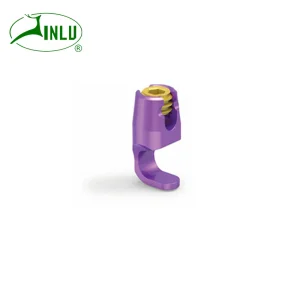
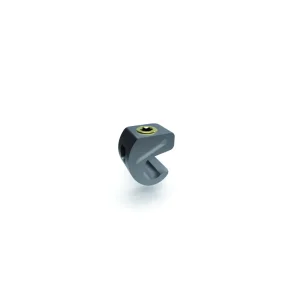
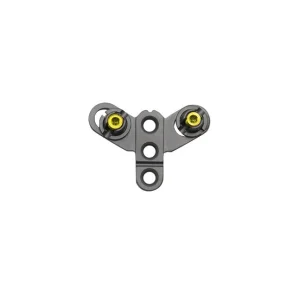
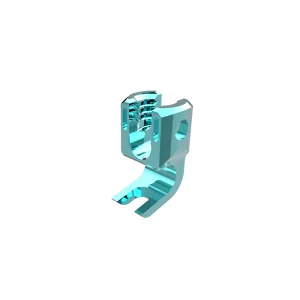
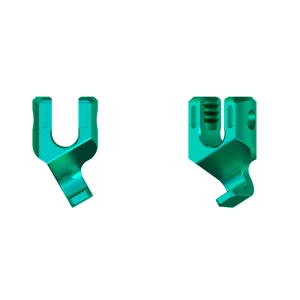
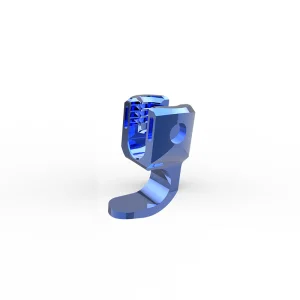
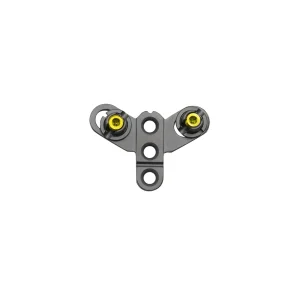
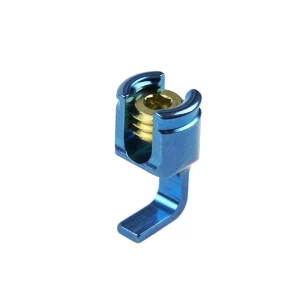
Advanced instrumentation configured for stability, anatomical fit, and high-performance fusion across posterior cervical and thoracolumbar operations.
Latvian healthcare systems, centered around key tertiary clinical hubs like the Riga Eastern Clinical University Hospital (RAKUS), the Pauls Stradiņš Clinical University Hospital (PSKUS), and the Children's Clinical University Hospital (BKUS), require high-precision internal fixation hardware. With the rising prevalence of degenerative disc diseases, scoliosis, and trauma-induced spinal instabilities in the Baltic region, procurement divisions demand medical devices that seamlessly align with European Union standards.
Importing medical implants to Latvia involves strict adherence to the European Union Medical Device Regulation (EU MDR 2017/745). Distributors and medical representatives partnering with the National Health Service (Nacionālais Veselības Dienests - NVD) require transparent documentation, material compliance, and predictable delivery frameworks. Our specialized spinal hooks and rods leverage state-of-the-art biomechanics, proving critical for complex construct extensions where bone mineral density compromises traditional screw placement.
By utilizing high-grade titanium alloys (Ti-6Al-4V ELI), our spinal systems offer Baltic spine surgeons optimal visual clarity under MRI and CT screening, minimizing metal artifacts while ensuring superior long-term mechanical stability.
Modern posterior spine fixation requires balancing rigidity with dynamic load-sharing profiles. While pedicle screws dominate fixation constructs, hook systems remain vital for optimal structural outcomes.
| Feature / Component | Biomechanical Purpose | Clinical Scenario in Latvia | Material Specification | |
|---|---|---|---|---|
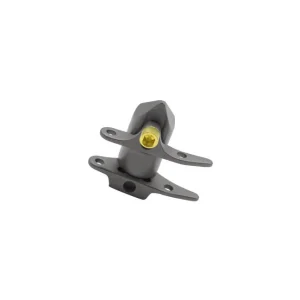
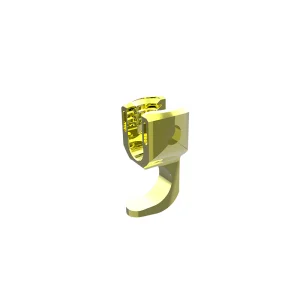
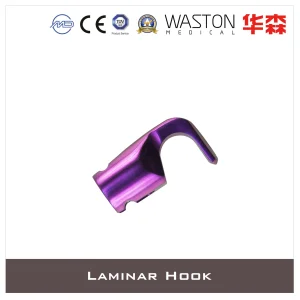
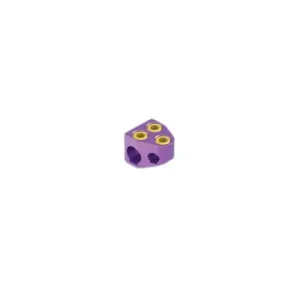
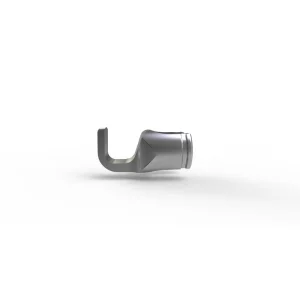
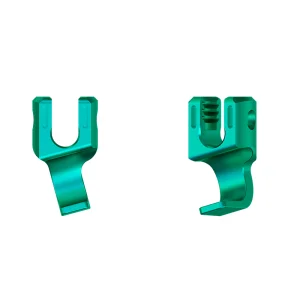
| Laminar Hooks (Posterior) | Distributes forces across the broad surface of the lamina; avoids pedicle breach risk. | Used in osteoporotic patients at RAKUS where pedicle screws risk pullout. | Titanium Alloy (ISO 5832-3) | Advanced Laminar Profile |
| Pedicle Hooks | Engages the facet joint and pedicle keyways to offer compression/distraction anchors. | Thoracolumbar deformity corrections, maintaining sagittal balance. | Titanium Alloy (ISO 5832-3) | Anatomical Curvature |
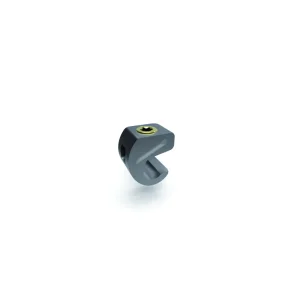
| Crosslink Hooks | Prevents axial rotation and shear deflection in multi-segment constructs. | Long-construct revisions for traumatic spine stabilization in regional trauma units. | Titanium Alloy (ISO 5832-3) | Dual-locking Mechanism |
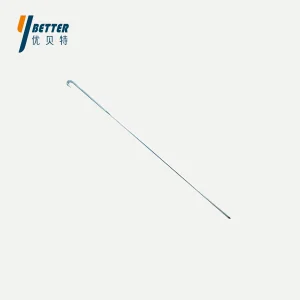
| Spinal Rods (5.5mm / 6.0mm) | Maintains the corrective alignment and shares bending loads over the target fusion zones. | Integration with multi-axial systems for complex scoliotic curve correction. | CoCr / Ti-Grade 5 ELI | High Fatigue Strength |
Our spinal hooks are engineered to limit laminar degradation and avoid stress shielding. The low-profile design ensures minimal impingement on overlying muscle groups, facilitating faster post-operative recovery. Through micro-textured contact points, the coefficient of friction against cortical bone is maximized, providing immediate secondary stability while the arthrodesis consolidates.
These components address specific anatomic junctions, ensuring robust interface security between the occipito-cervical and thoracolumbar regions.
For over two decades, Hangzhou DTRX Medical Technology Co., Ltd. has delivered world-class orthopedic implants, leveraging German metrology and rigorous ISO protocols.
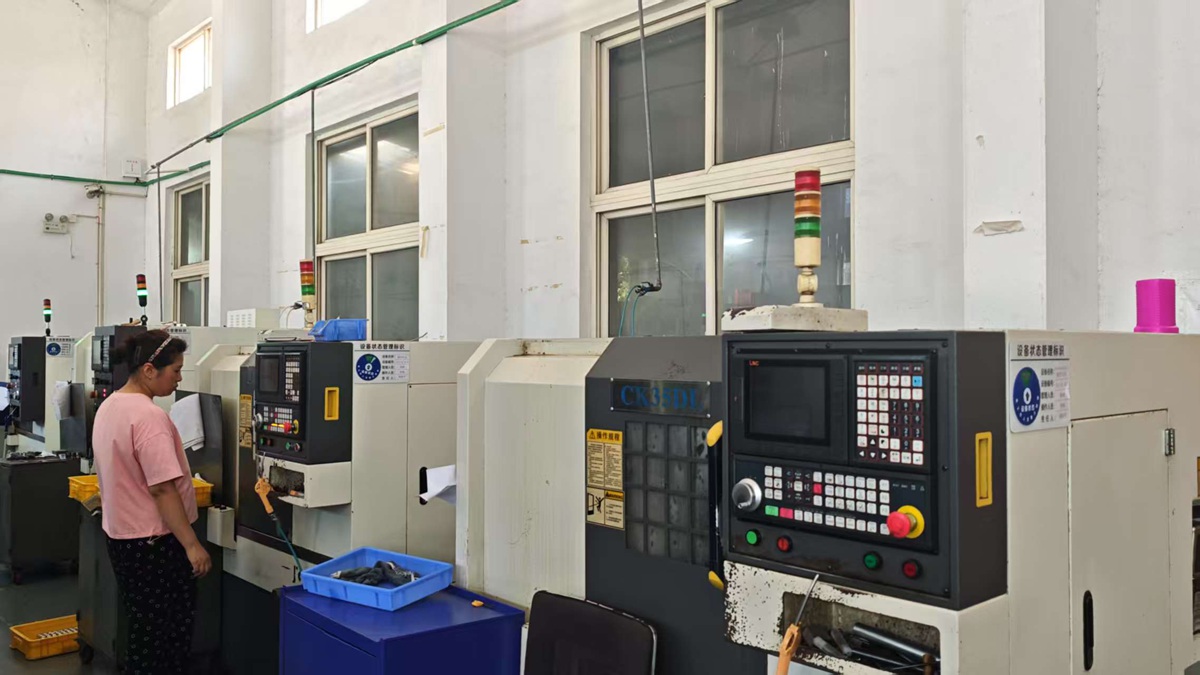
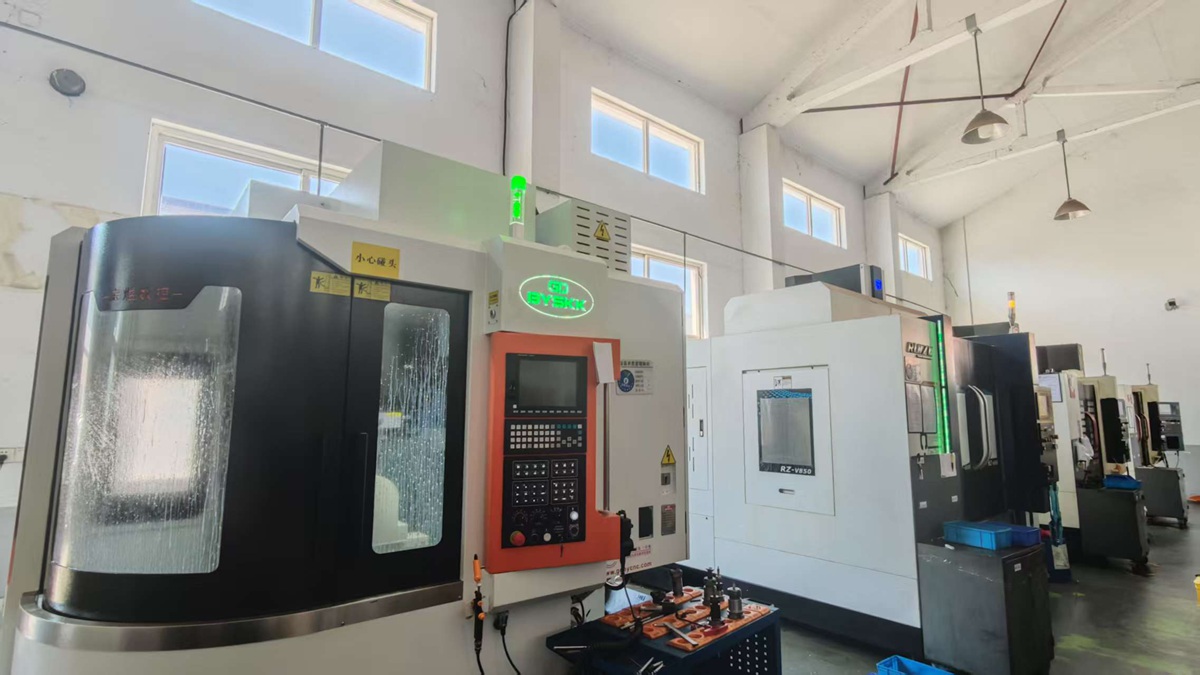
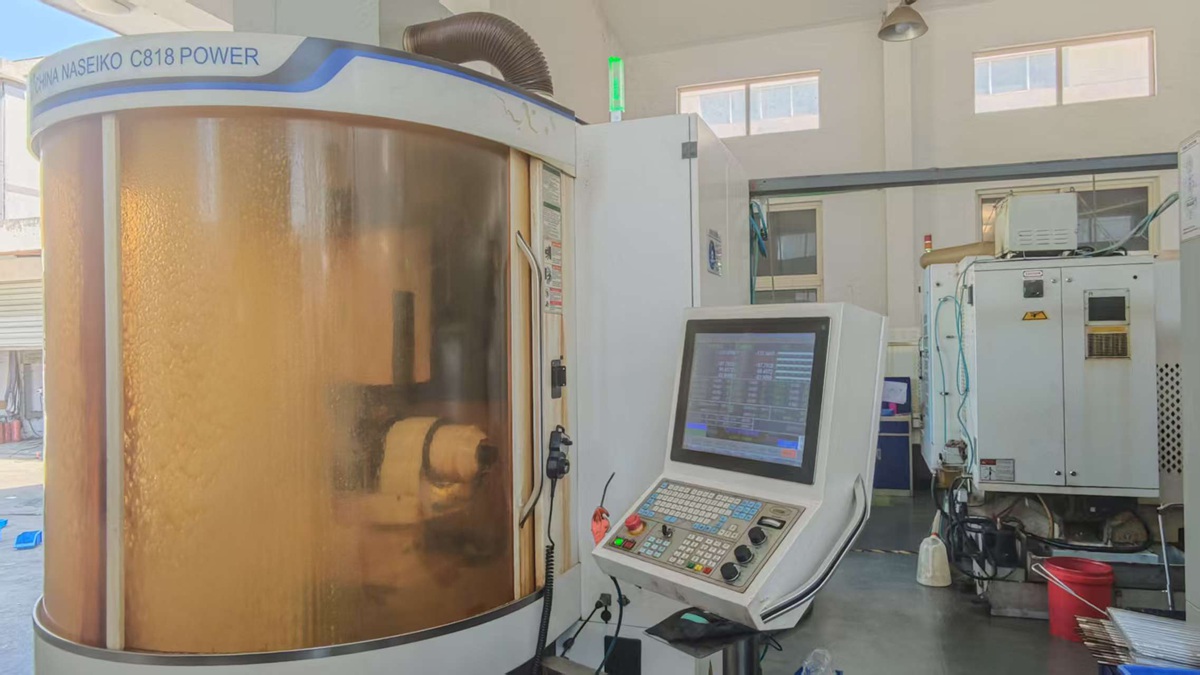
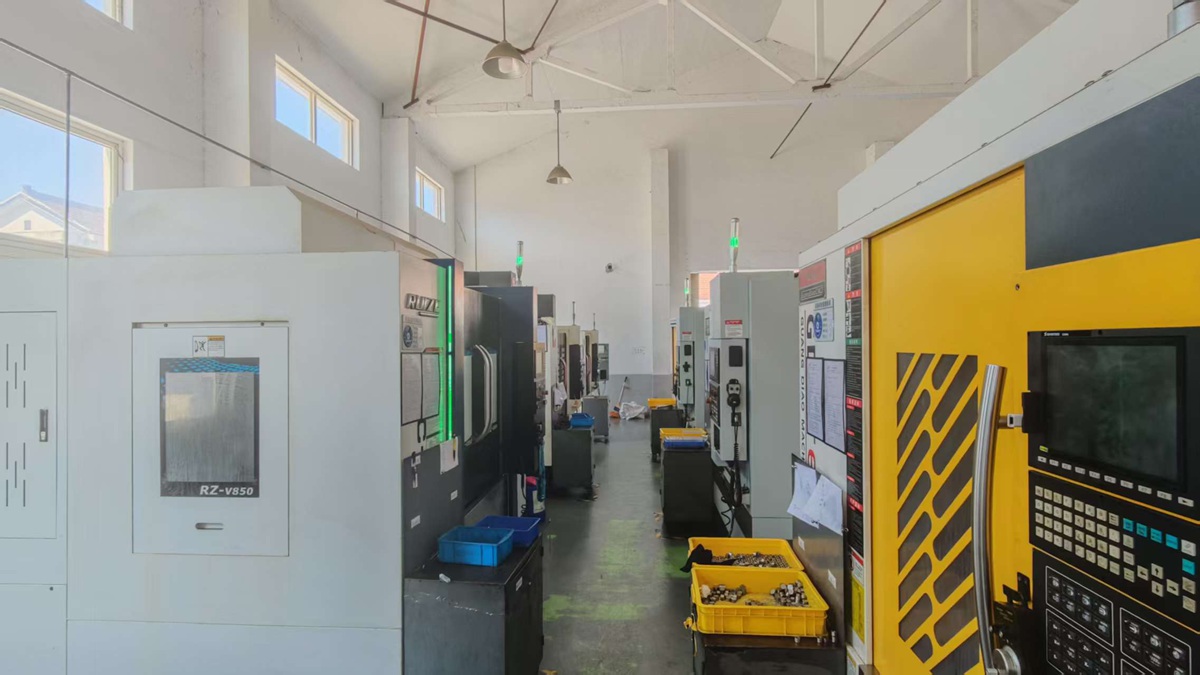
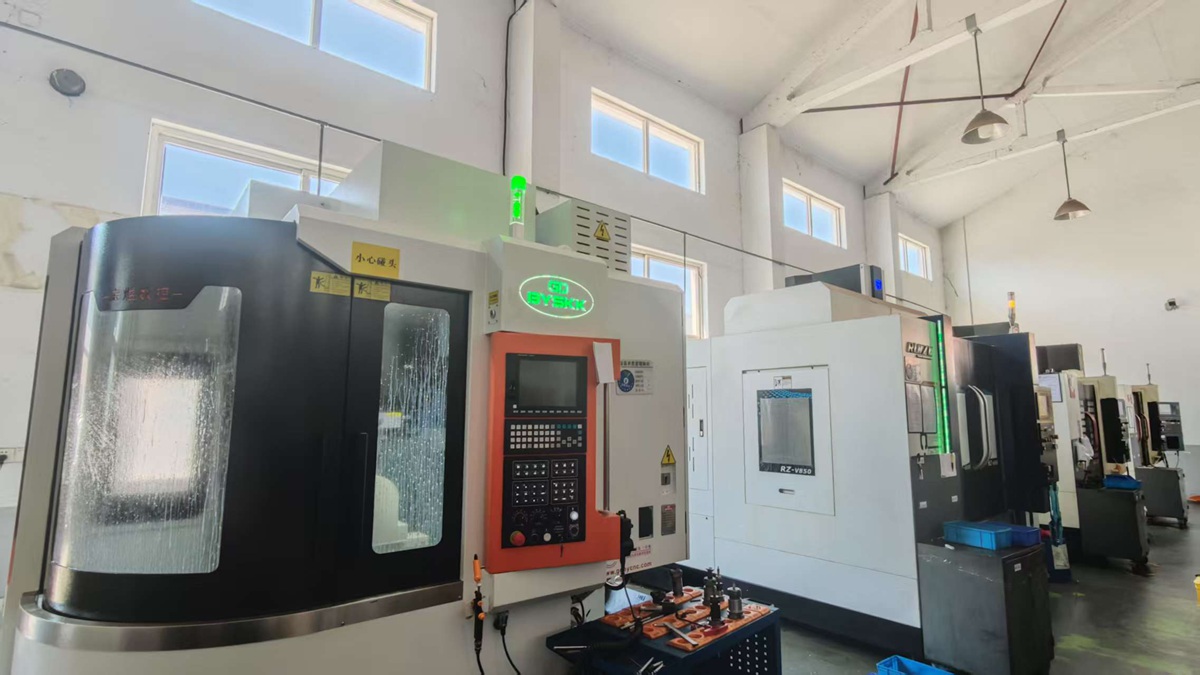
Our manufacturing center houses high-precision equipment designed to produce implants with zero surface compromise. In spine surgery, where implant micro-textures directly influence cell adhesion and mechanical integration, we utilize advanced German-imported testing machines to verify structural and fatigue resistance profiles. Our facility is certified under ISO 9001 and ISO 13485, ensuring every production batch matches EU MDR standards.
Every spinal hook and rod undergoes a rigorous processing workflow, ensuring clean edges, mechanical consistency, and predictable performance.
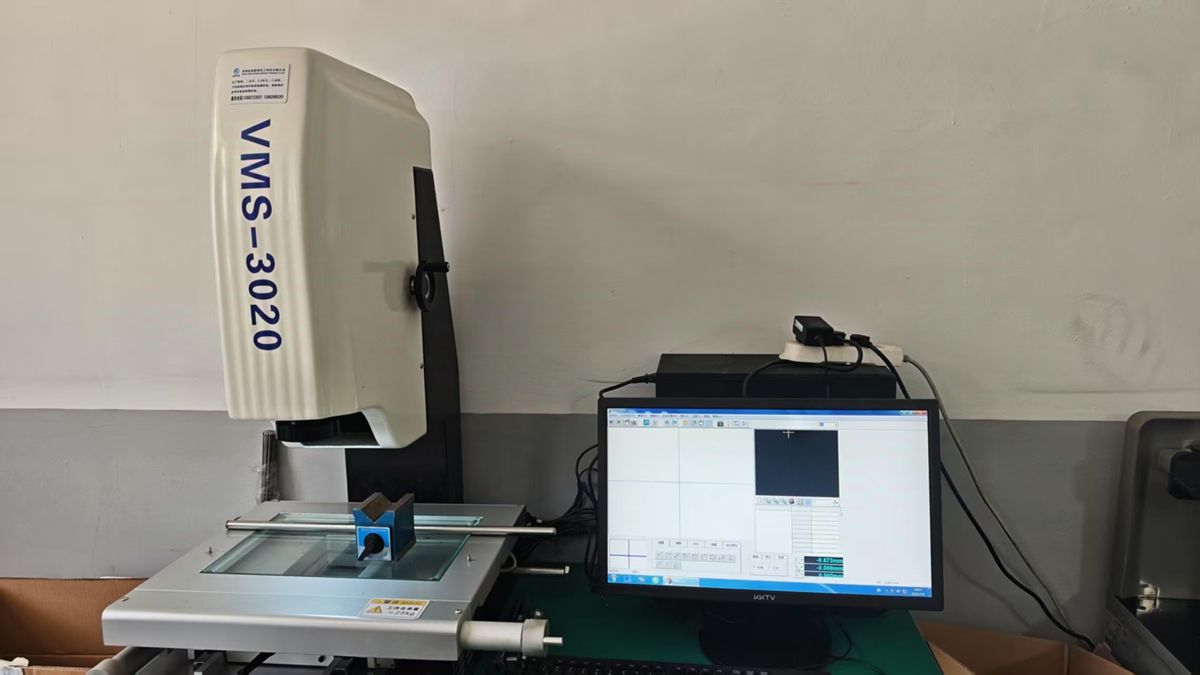
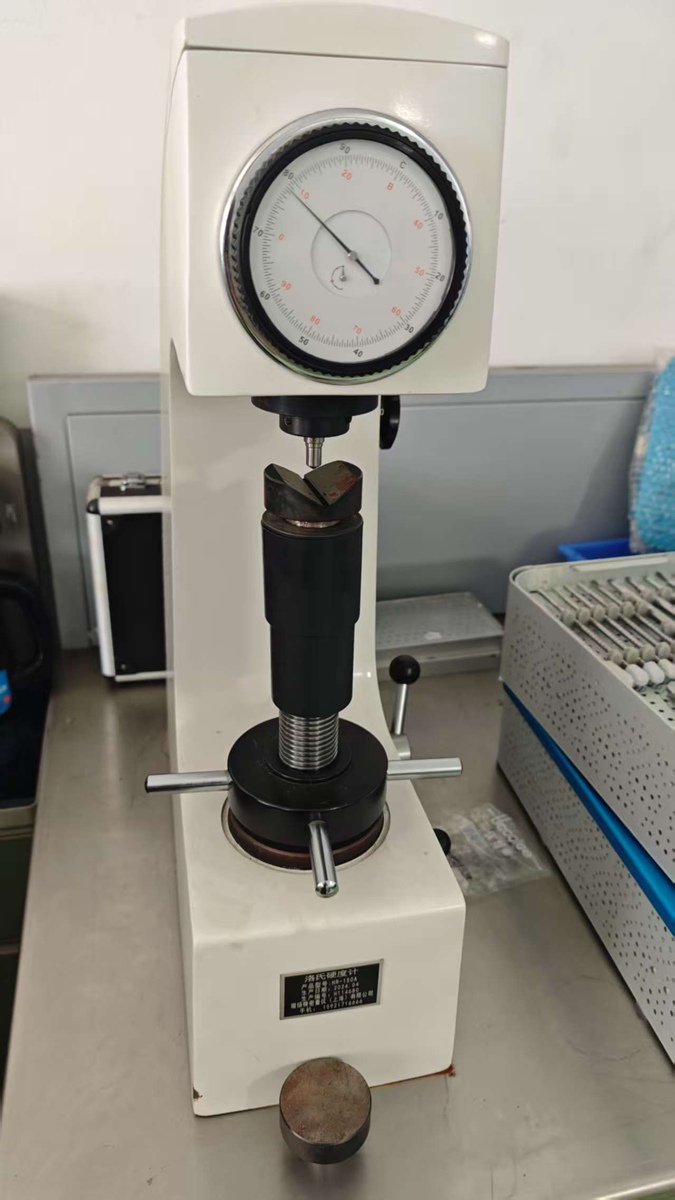
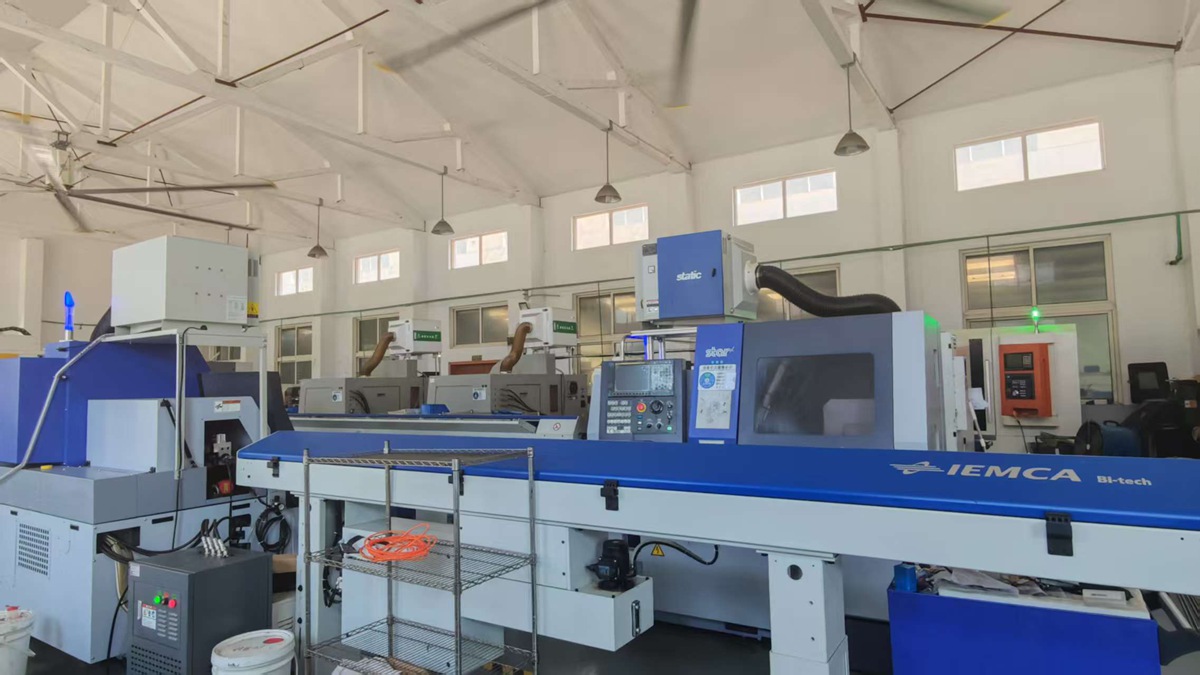
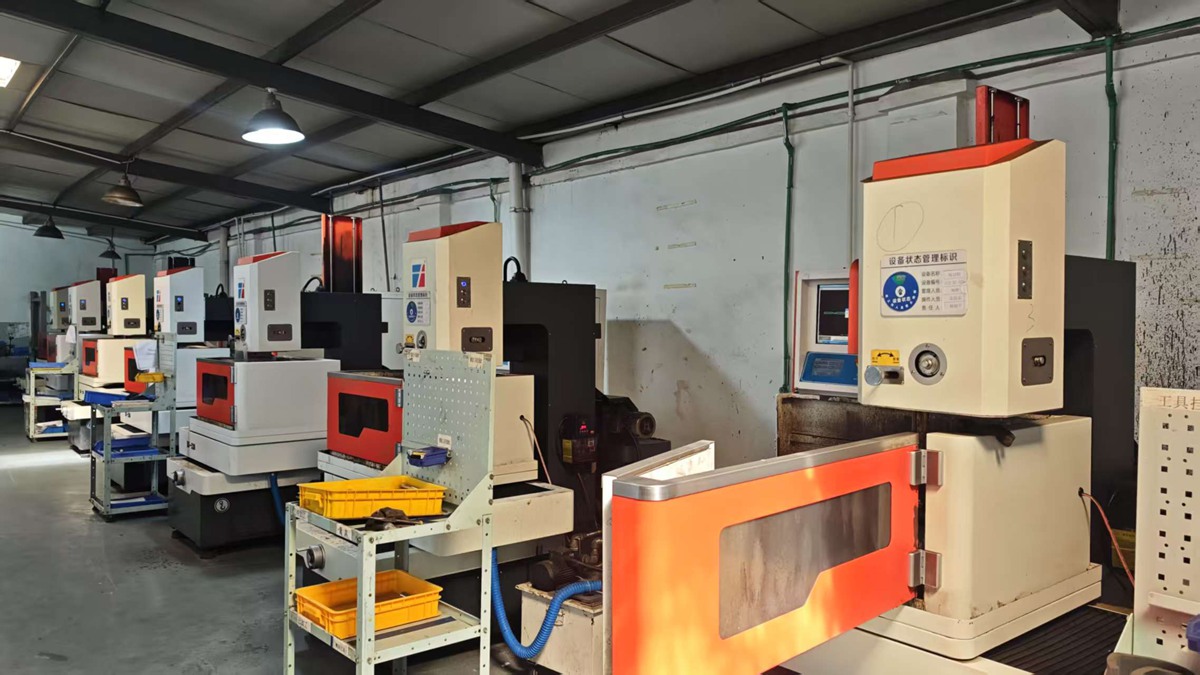
Procuring orthopedic implants across continents requires coordination between manufacturer capacity, regulatory compliance, and cargo transit.
No two scoliosis profiles are identical, and adult spinal revision cases often present unique skeletal geometry. At DTRX Medical, we support custom instrumentation and implant parameters, adapting rod lengths, hook blade shapes, and crosslink profiles to the specifications of Latvian surgical programs.
By leveraging our production hub in Hangzhou and shipping via China-Europe express logistics networks or air cargo to Riga International Airport (RIX), we ensure transit times remain predictable. We provide comprehensive customs declarations, sterilization documentation, and trace reports to facilitate swift import processing.
Our core selection of spinal fixation products, optimized for thoracolumbar reconstruction and posterior system alignments.
Common questions and technical compliance answers regarding our spinal hooks, rods, and import mechanics to Latvia and the wider Baltic region.
 DTRX Orthopedic Implants