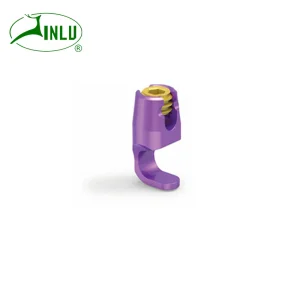
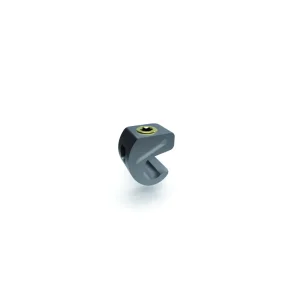
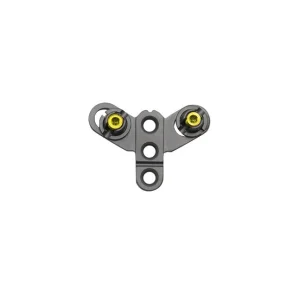
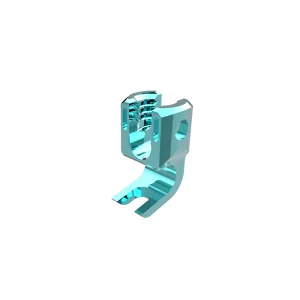
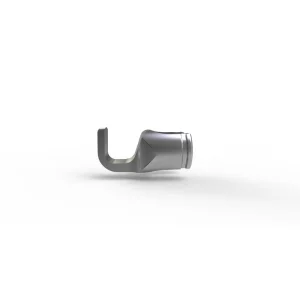
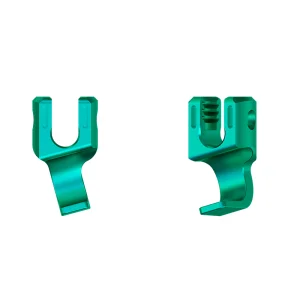
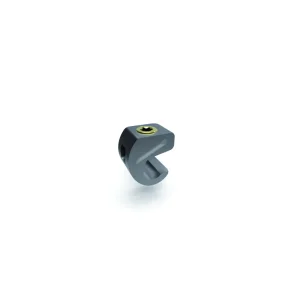
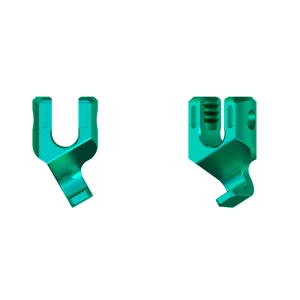
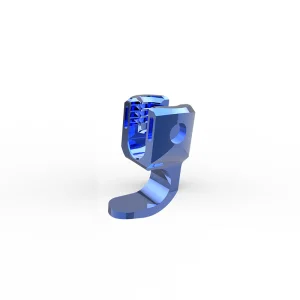
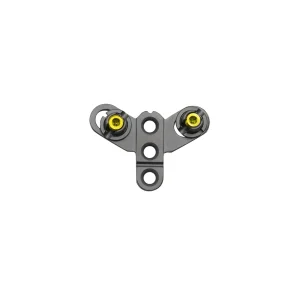
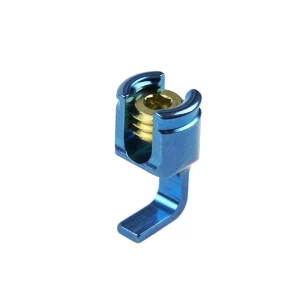
Taiwan has emerged as a global hub for high-precision biomedical manufacturing. Integrating decades of experience in CNC machining, metallurgy, and medical device engineering, Taiwanese manufacturers are setting new benchmarks for spinal hooks and rods. These components, critical for spinal stabilization surgeries, require extreme material purity and dimensional accuracy.
Unlike traditional manufacturing, Taiwan's factory ecosystem utilizes advanced Grade 5 Titanium and PEEK (Polyetheretherketone) materials, ensuring biocompatibility and long-term durability. By leveraging ISO 13485 certified quality management systems, our manufacturing partners consistently meet international clinical standards, making them a preferred source for global hospitals and surgical distributors.
The industry is rapidly shifting toward AI-integrated surgical planning and robotic-assisted insertion. Our factory partners are at the forefront of this trend, producing spinal hardware that is optimized for robotic navigation systems. Key trends include:
Skilled Professionals
Manufacturing Facility
Technical Patents
Global Countries Served
Spinal hooks and rods manufactured in our facilities are designed for diverse surgical applications, including:
 DTRX Orthopedic Implants