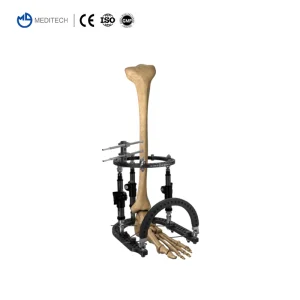
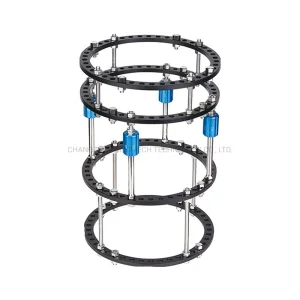
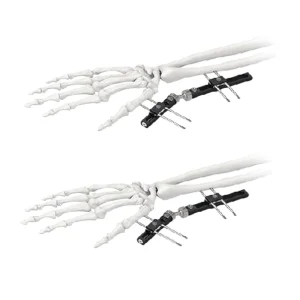
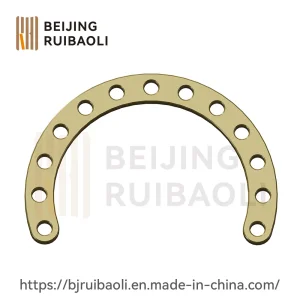
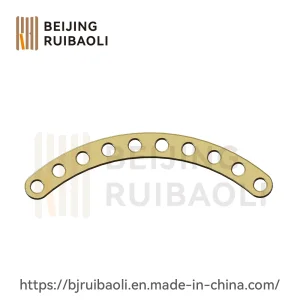
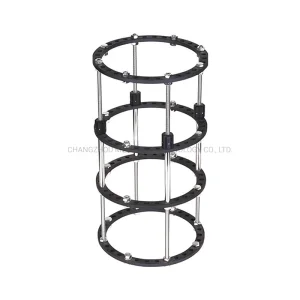
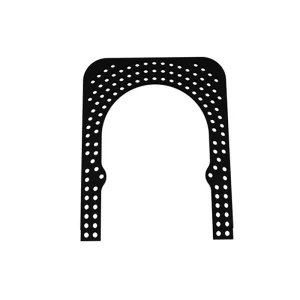
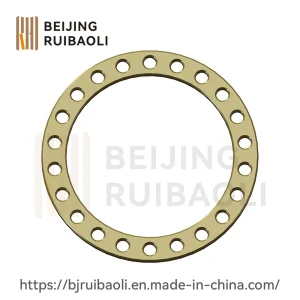
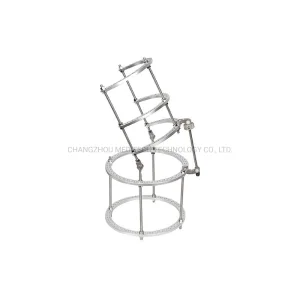
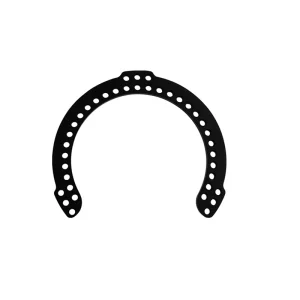
Novosibirsk orthopedic teams rarely buy a ring fixator as a single item in isolation. They evaluate the complete treatment chain: ring geometry, wire and half-pin compatibility, imaging visibility, instrument boxes, Russian-language documentation, replenishment speed, and biomedical service. The four configurations below are a practical starting point for hospitals, tender agents, and distributors that need export-ready Ilizarov systems from a Chinese orthopedic factory.
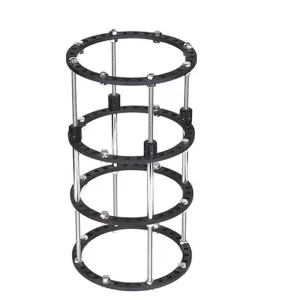
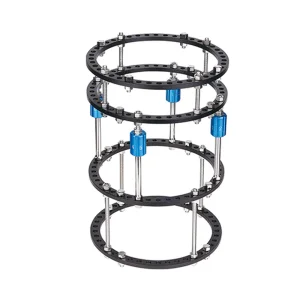
Production capacity, documentation depth, and service discipline determine whether a low-cost fixator is truly cost-effective over a tender cycle. For Novosibirsk buyers, supplier evaluation should look beyond the ring price and include engineering support, material traceability, export documentation, and continuity of supply.
Number of employees
Plant area
Transaction volume
Technical patents
Novosibirsk is one of Siberia’s largest clinical, scientific, educational, and industrial hubs. Its orthopedic ecosystem includes emergency hospitals, regional trauma centers, specialized surgical clinics, universities, research institutes, rehabilitation providers, and medical device distributors serving both public and private healthcare organizations. The city’s referral role means that a single hospital may treat complex trauma and reconstruction cases from Novosibirsk Oblast and neighboring regions. For suppliers, this creates a market where product reliability, Russian-language documentation, and rapid technical response matter as much as unit price.
The regional economy is shaped by transport, manufacturing, construction, agriculture, energy, and scientific services. Each of these activities contributes to a steady trauma burden: road traffic injuries, industrial accidents, construction falls, winter slips and falls, sports injuries, and delayed presentations of fractures. Long distances and severe winter conditions can also affect patient transfer and follow-up, which increases the value of dependable external fixation systems that allow staged treatment, early mobilization, and reconstruction planning.
Procurement behavior in Novosibirsk reflects this clinical reality. A hospital may need a small set of rings, wires, half-pins, clamps, and tensioners for emergency use, while a distributor needs a broader SKU portfolio for tenders, private clinics, and surgeon preferences. Tender agents and biomedical engineers often ask for CE documentation, ISO certificates, material statements, lot traceability, Russian labels, and spare-part availability. Chinese factories that can support these requirements with structured documentation and responsive engineering communication have a clear advantage over suppliers that offer only generic catalog products.
The search intent around this topic is also specific. Buyers search for phrases such as “Ilizarov ring fixator supplier Novosibirsk,” “external fixator factory Russia,” “CE certified ring fixator OEM,” “Ilizarov frame for tibia fracture,” and “foot ring external fixator distributor.” A strong supplier page should answer the practical questions behind these searches: what configurations are available, how customization works, what certifications can be provided, how long production takes, how spare parts are handled, and how a local partner can manage registration and after-sales support.
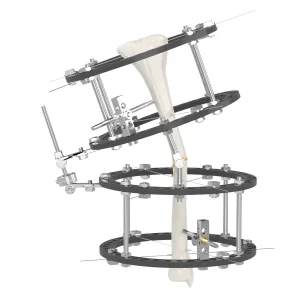
High-energy fractures, open injuries, and periarticular trauma may require stable external fixation while soft tissues recover. Ring and hybrid configurations support staged reconstruction and access for wound care.
Ilizarov frames are used in selected malunion, nonunion, limb-length discrepancy, and deformity correction workflows. Modular rings, threaded rods, and hinge options help surgeons build a plan for gradual correction.
Reconstruction teams often need flexible frame architecture, reliable wire fixation, and compatible components. Documentation and traceability are essential for long treatment cycles and follow-up.
Foot rings, calcaneal fixation, and ankle-spanning frames support complex foot and ankle trauma, deformity correction, and soft-tissue protection in selected cases.
Wrist-joint external fixators and small ring components can be used in selected distal radius, forearm, and wrist reconstruction cases where spanning fixation is appropriate.
Bone lengthening and gradual correction require precise threaded components, stable rings, and clear patient monitoring. Supplier support should include spare parts and consistent component compatibility.
These scenarios are clinical examples only. Device selection, frame configuration, wire placement, and treatment protocols must be determined by licensed orthopedic surgeons according to the patient’s condition, local clinical guidelines, and approved product indications. This page is a procurement and engineering guide, not medical advice.
Selling a ring fixator into Russia is not only a logistics exercise. Medical devices generally require market authorization through the appropriate Russian regulatory pathway before legal sale, and the exact route depends on device classification, intended use, and current regulatory rules. CE marking and ISO certification are important manufacturer evidence, but they do not replace Russian registration. Novosibirsk hospitals, tender agents, and distributors should verify the registration status, approved indications, labeling language, and authorized representative before committing to a tender or hospital supply agreement.
A practical localization package for Ilizarov external fixation usually includes Russian-language instructions for use, labels, packaging information, technical passports, material declarations, lot and sterilization records where applicable, and a clear complaint-handling procedure. For distributors, the ability to maintain local stock of rings, rods, clamps, wires, half-pins, tensioners, and instrument boxes is often more important than a one-time shipment. A local partner should be able to manage customs documentation, warehousing, loaner sets, and biomedical communication with the factory.
The chart below is an illustrative evaluation framework for hospital and distributor sourcing teams. It is not a statistical survey, but it reflects the practical priorities that frequently appear in external fixation procurement discussions for markets such as Novosibirsk.
China’s advantage in orthopedic external fixation is not merely lower manufacturing cost. It is the ability to integrate design, machining, surface finishing, inspection, packaging, and export documentation under one quality management system. For a Novosibirsk distributor, that integration can reduce split-shipment risk, simplify product coding, and make it easier to maintain a coherent portfolio of rings, rods, clamps, wires, and instruments across multiple hospital accounts.
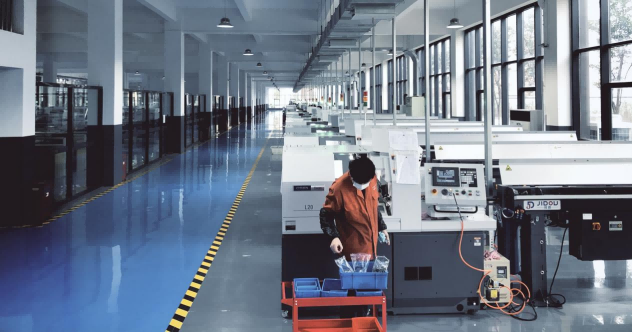
Welcome to Hangzhou DTRX Medical Technology Co., Ltd. Our company is specialized in developing production and sales of orthopedic implants and instruments. The factory covers a ground space of 32,068 square meters. Meanwhile we have a strong group of engineers and technicians. The company satisfies the customers' requirements with satisfied quality and favorable service, which is based on the advanced production & processing technology and the best testing equipment imported from Germany.
The main products are as followed: Spinal fixation system, interlocking intramedullary nails, metal bone plates, metal bone screws and related operation instruments. Enterprise has passed ISO 9001 and ISO 13485 system certification, products have passed the CE certification. We do business with customers from over 50 countries from Middle east, Africa, South-east Asia, East Europe, Australia, North America, South America. Youbetter remains the ideas of "care first", and we pay much attention to developing the new products, improving the quality of the products, and hankering the perfect of the service. We have a strong team of researching and developing new products which can meet the different needs of different customers. We keep innovation and have full of passion to be better. We are looking forward to having business with you in near future! Believe in us, You will be better!
For ring fixator programs, this manufacturing foundation supports several practical advantages. Aluminum alloy rings, connecting rods, clamps, bolts, and accessory components can be produced and inspected within a controlled workflow. Custom set configurations can be developed around a distributor’s target procedures, such as tibia and femur trauma sets, foot and ankle frames, wrist spanning frames, and limb reconstruction kits. Packaging, labels, and instruction materials can be prepared for export, with final Russian-market documentation coordinated through the local registration and distribution partner.
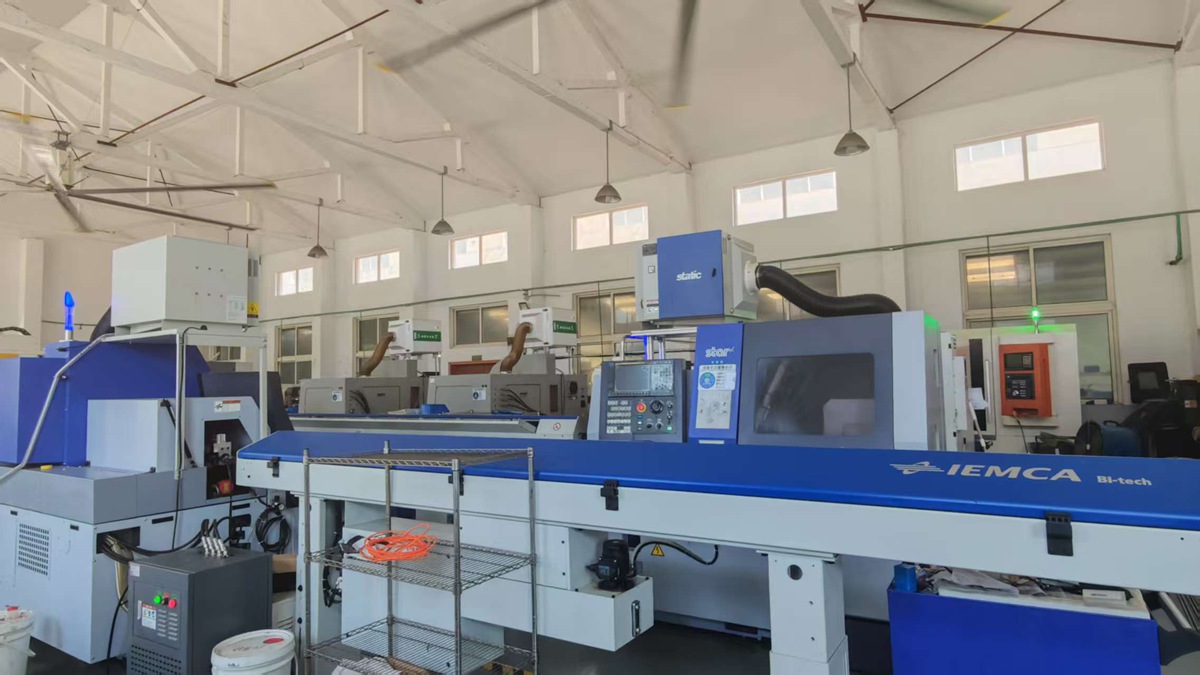
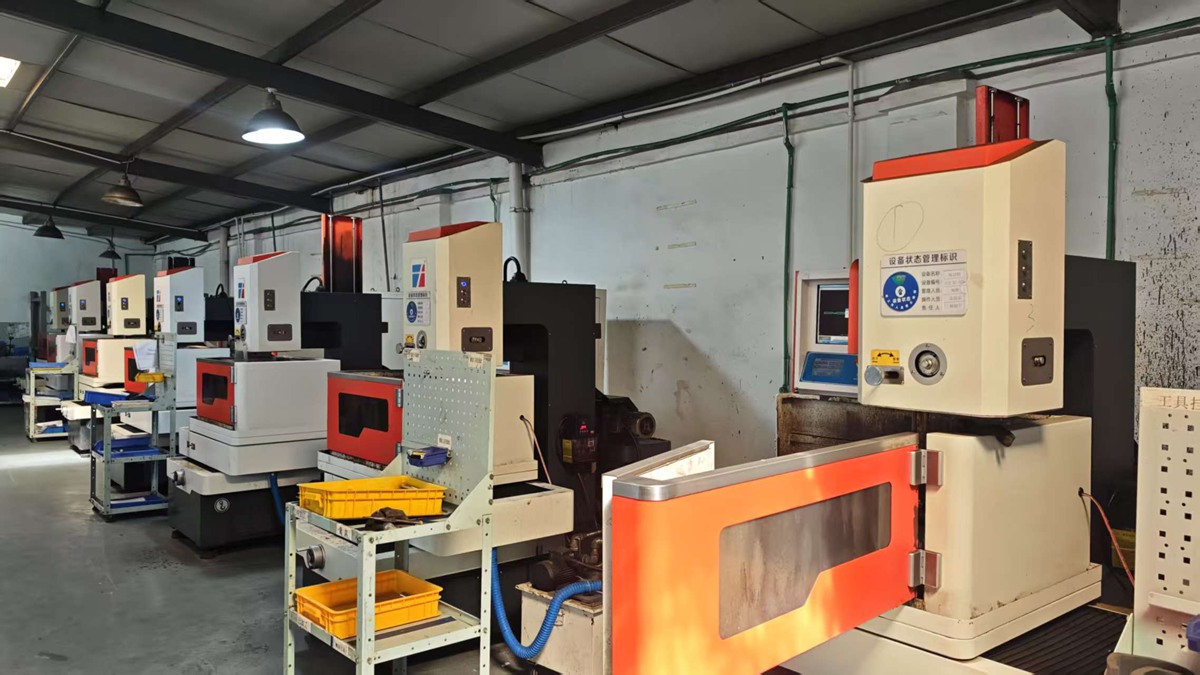
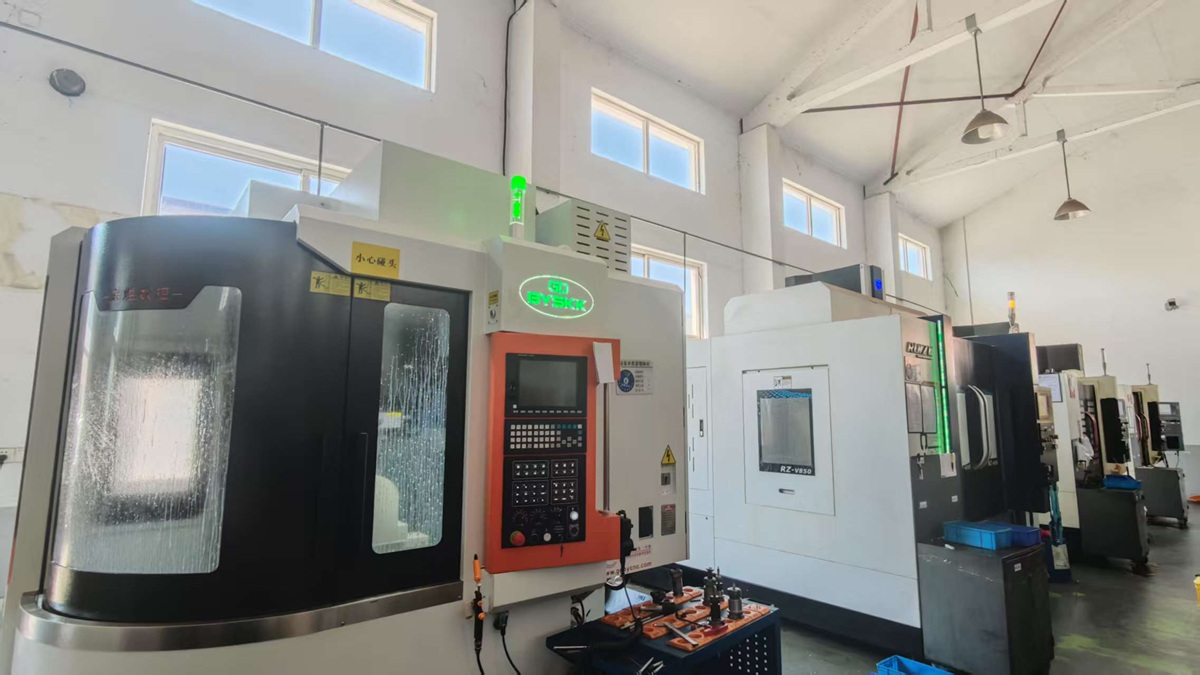
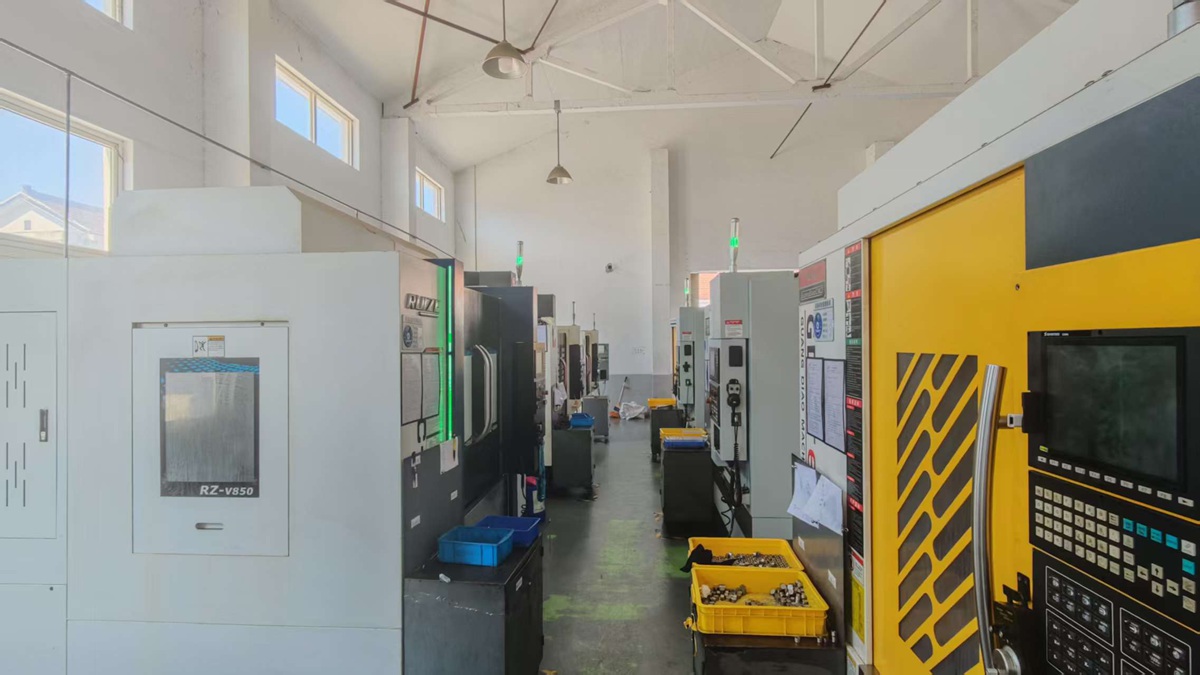
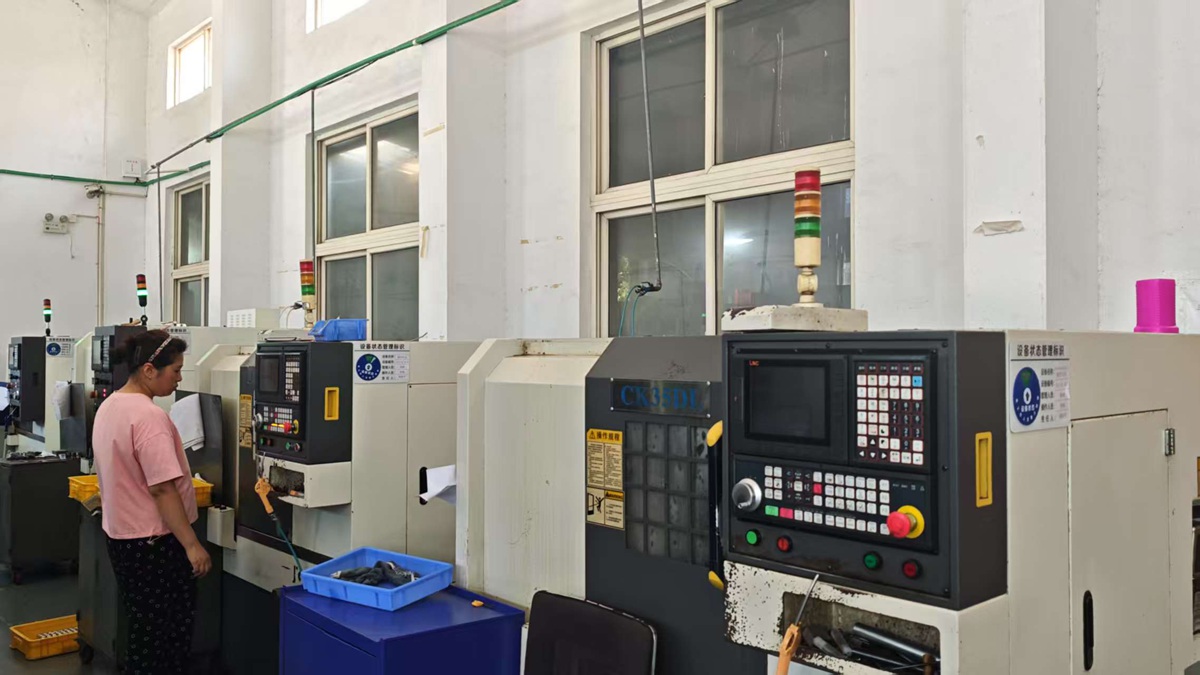
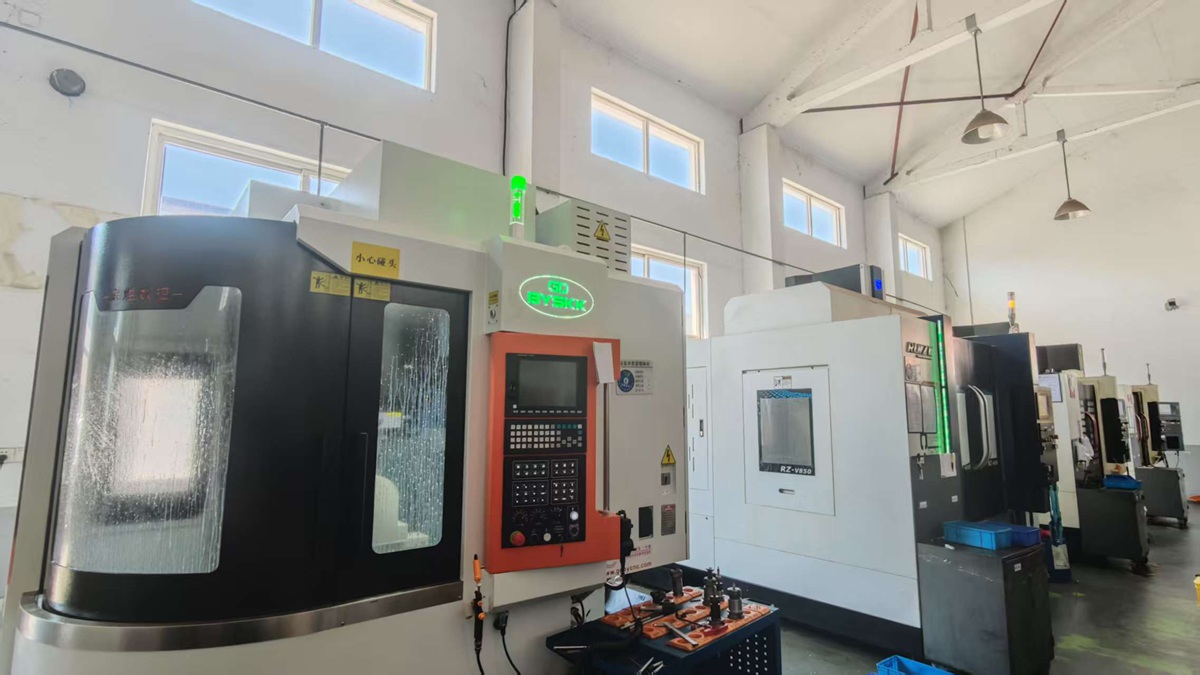
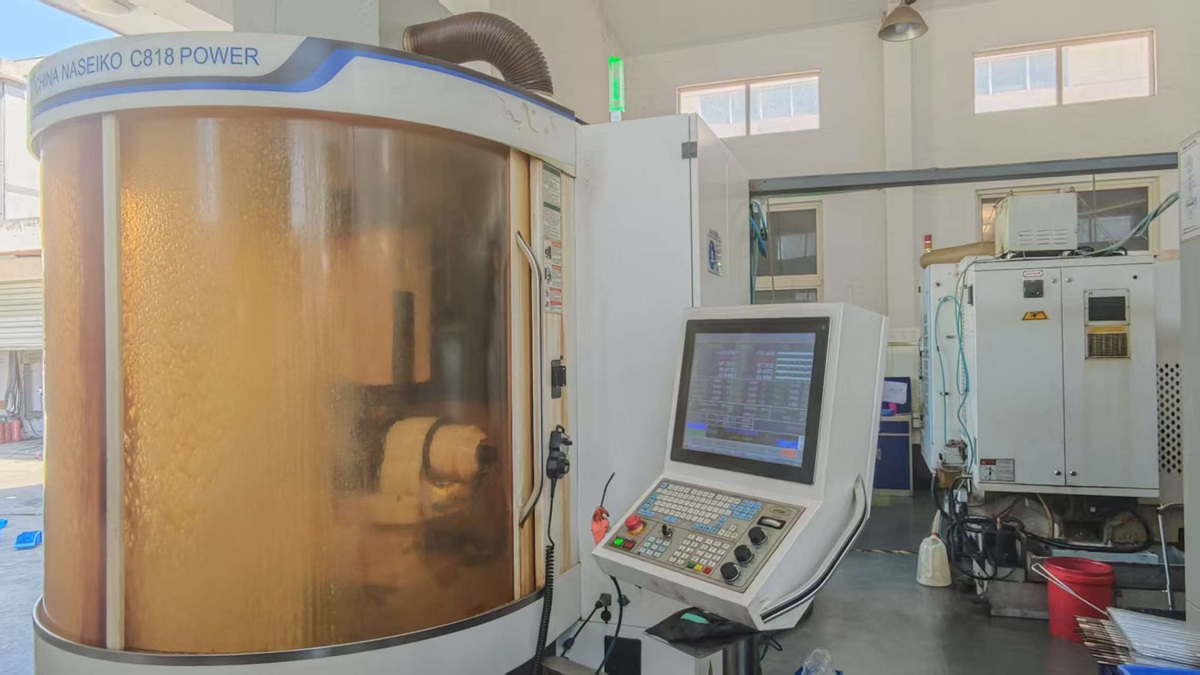
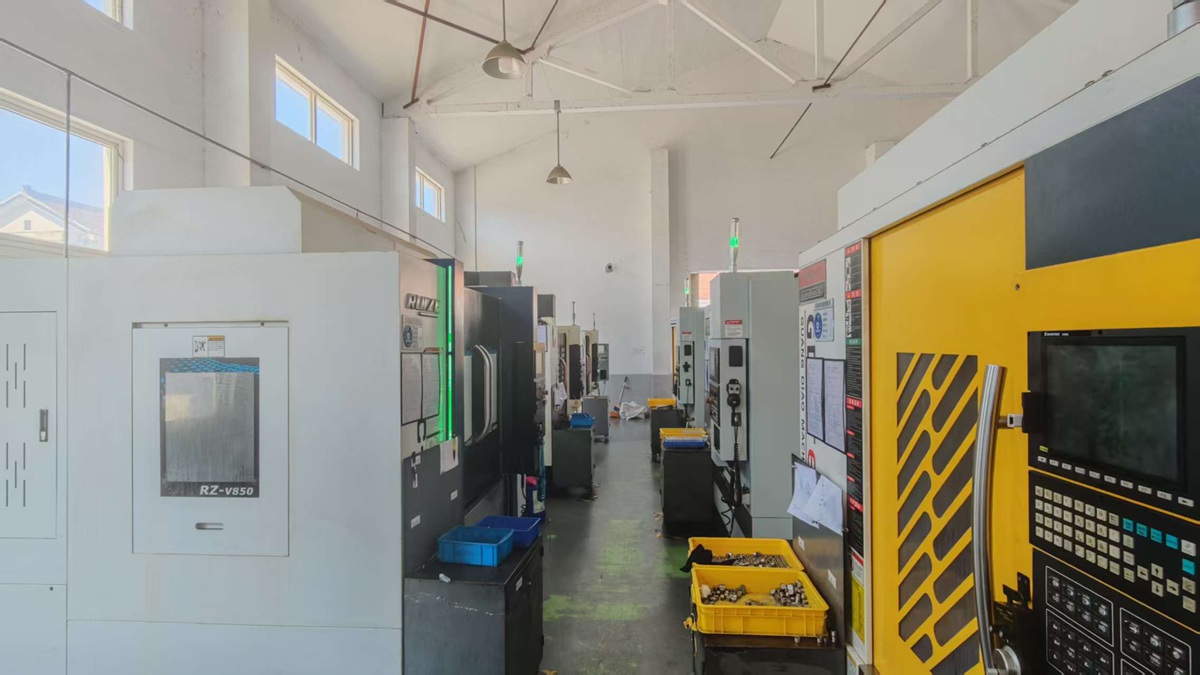
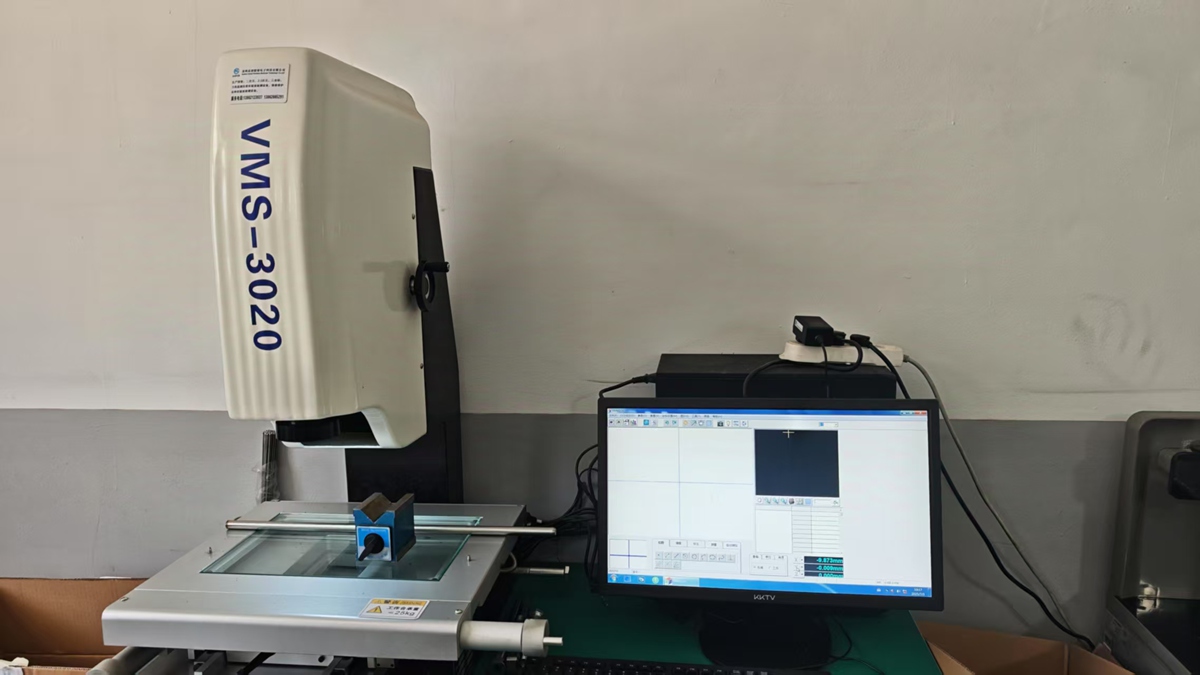
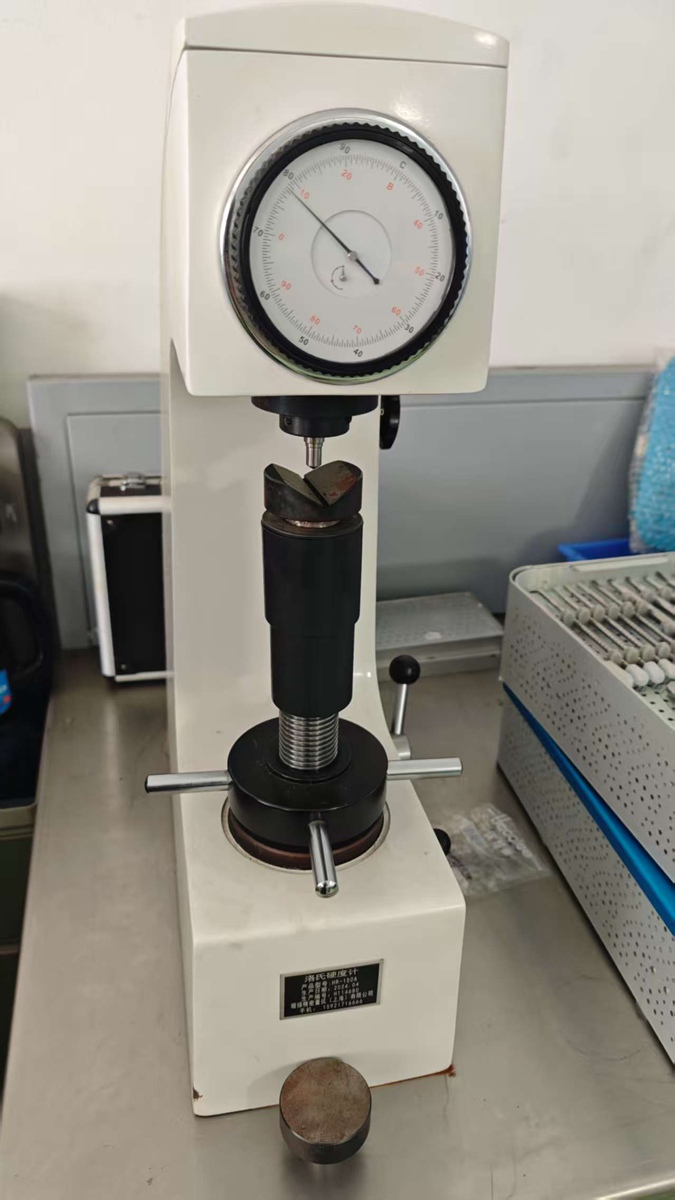
Quality control should be visible at component level. Buyers should ask for material certificates, dimensional inspection records, surface-finish checks, hardness testing where relevant, batch traceability, and packaging verification. The factory images below show the type of production and inspection environment that supports consistent external fixation manufacturing: turning and milling, finish machining, five-axis grinding, electromagnetic gas polishing, CNC lathe work, machining centers, video measuring, and hardness testing.
Demand for Ilizarov ring fixators and modular external fixation is global, but the buying logic differs by channel. Public hospitals focus on registration, tender compliance, clinical acceptance, and after-sales response. Private clinics and surgeon groups may prioritize specific frame configurations, instrument ergonomics, and training support. Distributors need a portfolio that can cover trauma, foot and ankle, wrist, deformity correction, and lengthening workflows without creating excessive inventory complexity. OEM buyers need private-label packaging, stable component compatibility, and predictable production lead times.
For the Novosibirsk market, a supplier that can combine Chinese manufacturing efficiency with export documentation and distributor support is often more valuable than a pure trading company. The key is to verify that the factory can maintain the same component geometry and material specification across repeat orders. Ring diameter, hole spacing, rod length, clamp design, wire diameter, and thread quality all affect assembly compatibility. A small dimensional inconsistency can become a major clinical and inventory problem when components from different batches are mixed.
Surgeons increasingly value modular frames that combine rings, rods, hinges, and half-pins for staged treatment. Suppliers need clear component compatibility and set planning.
Aluminum alloy and selected lightweight components are often requested to reduce frame weight and support imaging workflow. Material choice must still match clinical requirements.
Hospitals prefer complete, clearly labeled sets rather than loose components. Custom kits can reduce picking errors and improve emergency readiness.
Preoperative planning, assembly videos, and remote technical support are becoming part of the supplier value proposition, especially for distributed clinical teams.
Lot traceability, labeling discipline, and complaint handling are increasingly important for hospital quality departments and tender documentation.
Distributors are moving toward vendor-managed inventory and consignment for high-value sets, while keeping fast-moving spare parts locally available.
A supplier that understands these trends can help Novosibirsk distributors move beyond price competition. The commercial conversation becomes one of clinical readiness, documentation quality, inventory uptime, and long-term service rather than a single quotation for rings.
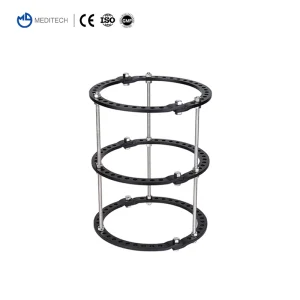
The remaining configurations in the original catalog broaden the options for trauma, foot and ankle, wrist, ring accessories, and deformity correction. Distributors can combine these items into a Novosibirsk-focused inventory plan or request custom set lists for specific hospital accounts.
Yes. The factory can supply standard ring fixator components and configured sets for export. For Novosibirsk, the practical route is usually through a local distributor or authorized representative who can manage registration, importation, local stock, and after-sales communication. Hospitals should verify current registration status and approved indications before procurement.
Suppliers can typically provide CE certificates, ISO 9001 and ISO 13485 certificates, test reports, product technical descriptions, material information, packing lists, and batch traceability records. Russian registration itself requires a local regulatory pathway and authorized representative. Buyers should confirm the exact dossier requirements with their local regulatory consultant before submitting a tender.
Yes, customization is a core reason to work directly with a factory. Typical customization includes set composition, instrument box layout, ring diameter and hole spacing options, component labeling, packaging design, and private-label artwork. Custom work should be based on approved drawings, clear component lists, and sample confirmation to avoid compatibility problems.
Minimum order quantity depends on the configuration, whether the order is a standard catalog item or a custom set, and the packaging requirement. A trial order for a distributor can often be discussed, while larger hospital or tender orders may require production scheduling. Lead time should be quoted after the final component list, artwork, and inspection plan are confirmed. Buyers should also allow time for export packing and customs arrangements.
Quality control should cover incoming material verification, machining dimensions, surface finish, thread and hole inspection, hardness testing where relevant, assembly checks, and final packing verification. Ask for batch-level inspection records and material certificates. For repeat orders, the factory should maintain the same drawings and component specifications so that new parts remain compatible with existing sets.
Support can include assembly diagrams, product manuals, instrument set lists, training videos, and technical clarification during set planning. For distributors, factory support may also include demonstration set preparation, product photography, catalog data, and spare-part recommendations. Clinical training and surgical decisions remain the responsibility of qualified local healthcare professionals.
Shipment can be arranged by air, rail, or combined transport depending on order size, urgency, and customs arrangements. A distributor should keep fast-moving spare parts such as clamps, nuts, rods, wires, half-pins, and tensioners in local stock. For high-value sets, consignment or loaner-set models may be considered, but they require clear inventory control and traceability.
No. CE certification is important manufacturer evidence, but it is not a substitute for Russian medical device registration. The exact registration route, labeling requirements, and authorized representative arrangements should be confirmed with a qualified local regulatory specialist. A supplier should be ready to provide technical files and production information to support the local registration process.
This shortlist balances high-energy trauma, foot and ankle, wrist, ring accessories, and deformity or lengthening workflows. Keeping these eight items with a local distributor can reduce emergency waiting time while avoiding excessive SKU proliferation. Distributors can still expand the portfolio with the complete catalog above or request a custom set list for a specific hospital account.
Send your required ring sizes, set lists, target procedures, expected quantities, certification requirements, and desired delivery schedule. Our team can review the configuration, propose a factory quotation, and discuss OEM packaging, documentation support, and distributor supply planning.
Send Inquiry Now → DTRX Orthopedic Implants