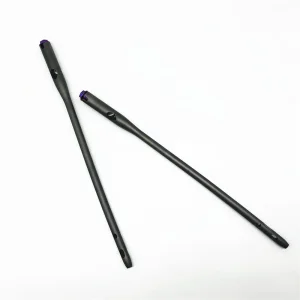
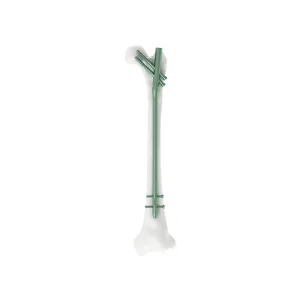
Intramedullary Nails Factory & Supplier in the Gitarama Market

Premium ISO 13485 & CE Certified Orthopedic Implants Tailored for Southern Rwanda's Trauma Centers and Global Medical Distributors

Send Inquiry Now
Rwandan Health Sector Support

Orthopedic Trauma Challenges & Demand in Gitarama

Gitarama (historically the heart of Rwanda's Southern Province and now Muhanga District) acts as a critical infrastructural and geographical node connecting the capital, Kigali, with the Western and Southern provinces. The presence of major arterial transit routes, combined with agricultural and industrial growth, has led to a significant demand for orthopedic care. Specifically, local institutions like the renowned Kabgayi Hospital—one of Rwanda’s oldest and most prestigious referral centers for orthopedic surgery—encounter a continuous influx of long-bone fractures resulting from road traffic accidents and agricultural machinery operations.

To address these trauma loads, health systems require highly dependable, high-precision intramedullary nails that permit immediate load-bearing capabilities. Hangzhou DTRX Medical Technology Co., Ltd. provides ISO 13485-certified implants, engineered from bio-compatible ASTM F136 titanium alloy, to ensure surgeons in Gitarama have access to devices that minimize stress-shielding and local infection rates.
  • Biocompatible Materials: Grade 5 Titanium alloy (Ti-6Al-4V ELI) preventing degradation and ensuring long-term tissue acceptance.
  • Anatomical Geometries: Designed to match the natural curvatures of African patient populations to prevent diaphyseal impingement.
  • Sterile & Non-sterile Options: Compliant with the stringent regulatory protocols enforced by the Rwanda Food and Drugs Authority (RFDA).
Hangzhou DTRX Quality and Certificates Layout

Global Production Capabilities & Factory Footprint

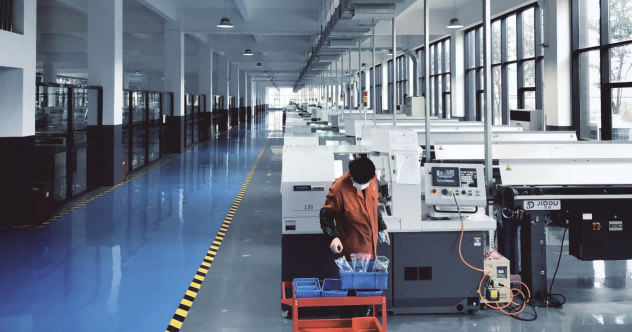
Hangzhou DTRX Medical Technology is a primary manufacturer utilizing advanced machining technologies to support medical networks in over 50 countries.
32,068 ㎡
Total Factory Footprint
20+ Years
Orthopedic R&D Experience
120+
Experienced Staff & Engineers
10+
Technical Design Patents
DTRX Factory CNC Lathe Workshop

Why Global Distributors Choose DTRX Implants

At Hangzhou DTRX Medical Technology Co., Ltd., we combine cutting-edge materials science with mechanical validation to produce clinical-grade bone screws, spinal fixation assemblies, and interlocking intramedullary nails. Our facility employs advanced production and processing systems alongside state-of-the-art testing equipment imported directly from Germany to verify dimensional and biomechanical tolerances.

Recognizing the challenges faced by local importers in Muhanga, Ruhango, and the broader East African community, we provide structured logistics and customized production runs. This includes the ability to engrave custom local registry numbers, modify nail diameters to accommodate specific patient bone densities, and supply full instrumentation kits containing the exact reamers, guides, and screwdrivers required by local operating room staff.

Request Factory Tour & Price Catalog

Advanced Manufacturing & Mechanical Control Processes

How we ensure exceptional micro-structures and dimensional accuracy in every intramedullary nail we produce.
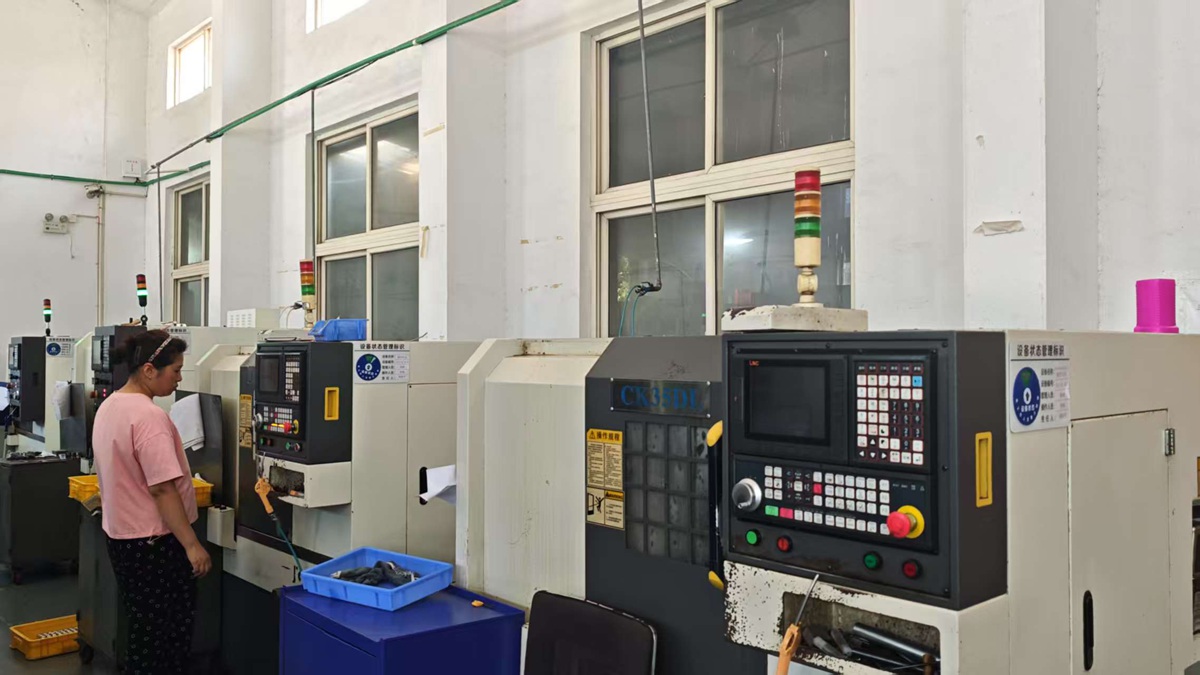
Turning and Milling Process
Turning & Milling Process

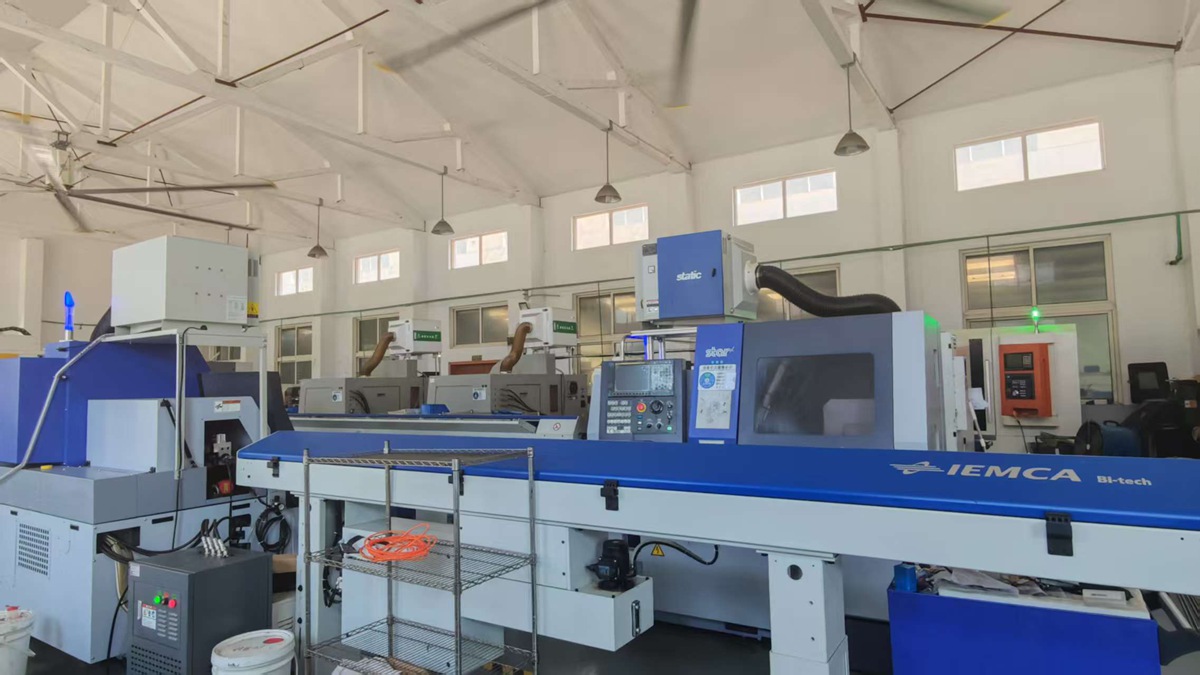
High-precision Swiss-type lathes shape raw titanium stock into precise cannulated and solid profiles with minimal heat deformation.
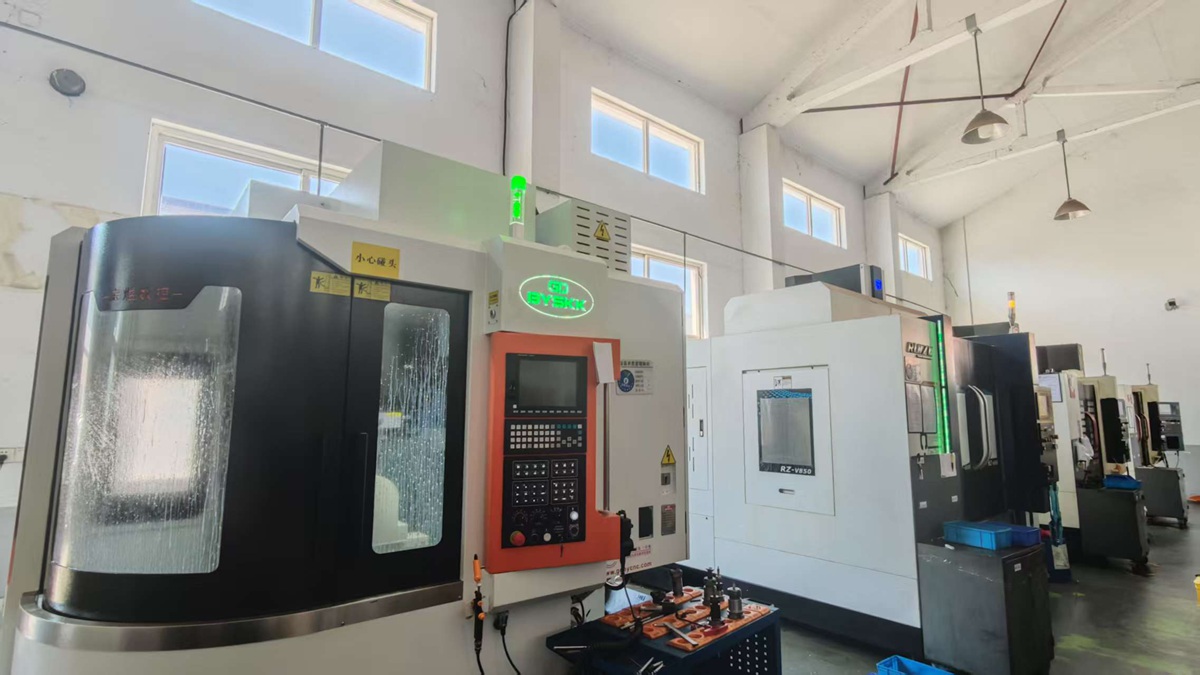
Finish Machining
Finish Machining

Specialized machining processes create locking screw holes and proximal thread shapes with tight mechanical tolerances.
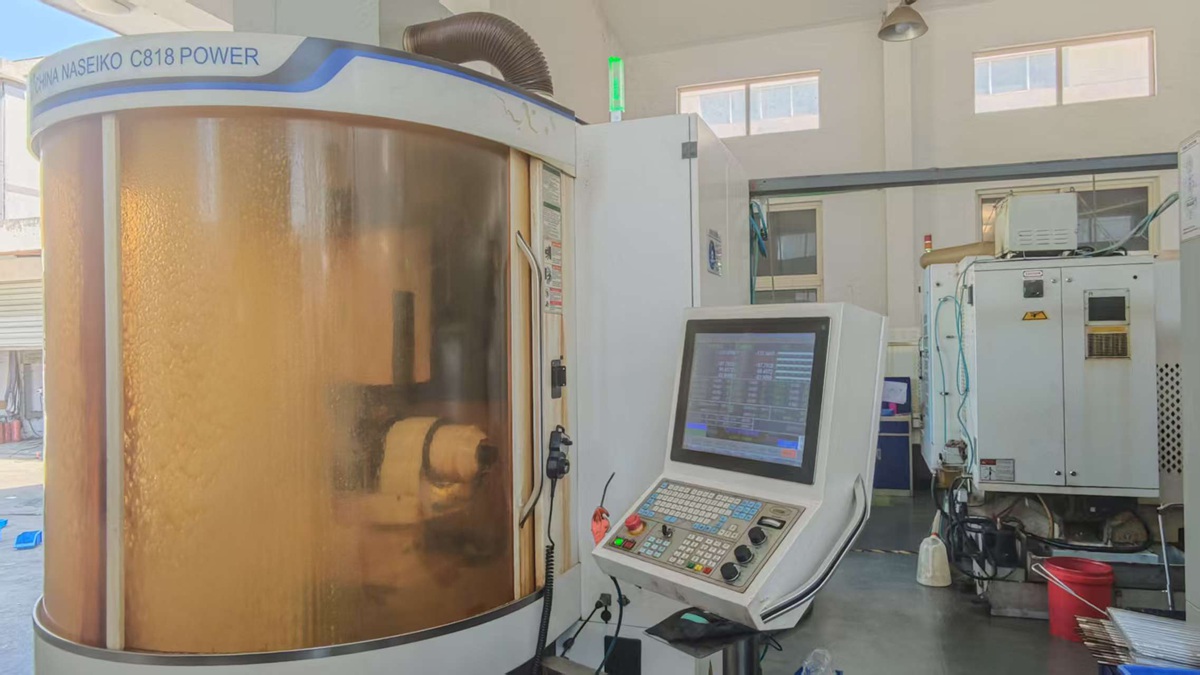
Five Axis Grinding
Five-Axis Grinding

Advanced five-axis toolpaths generate precise anatomical curvatures and distal bevel designs to facilitate implant insertion.
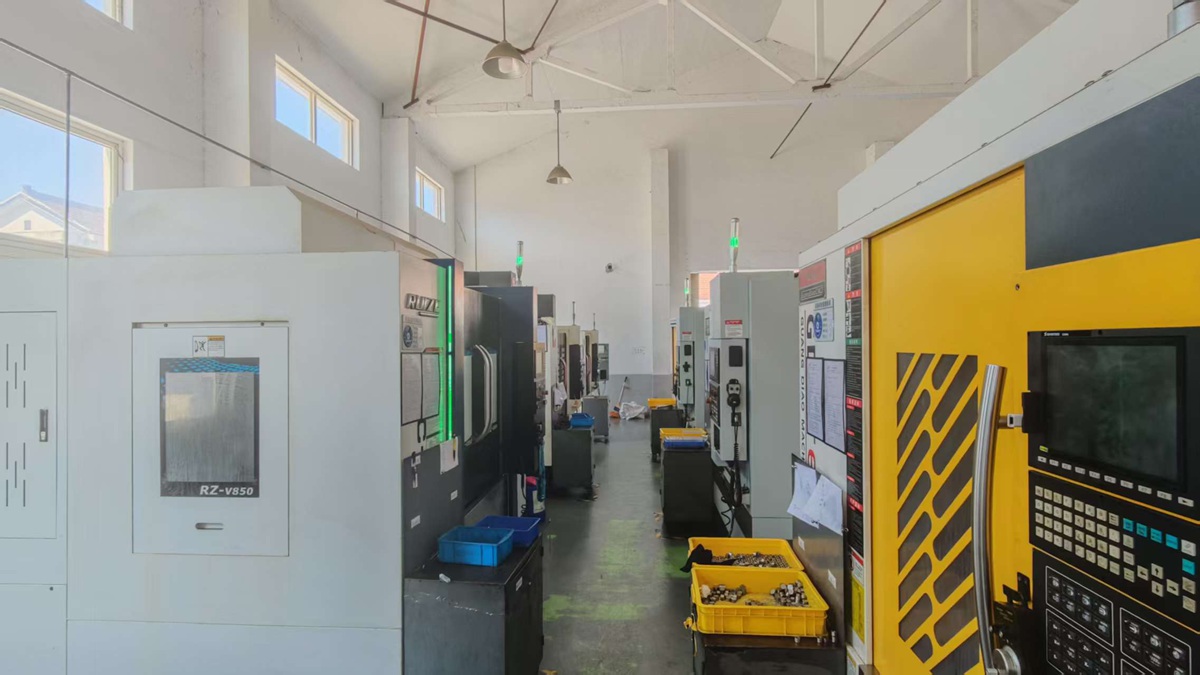
CNC Machining Center

Multi-axis automated centers run continuously to produce custom orthopedic configurations and surgical tools.
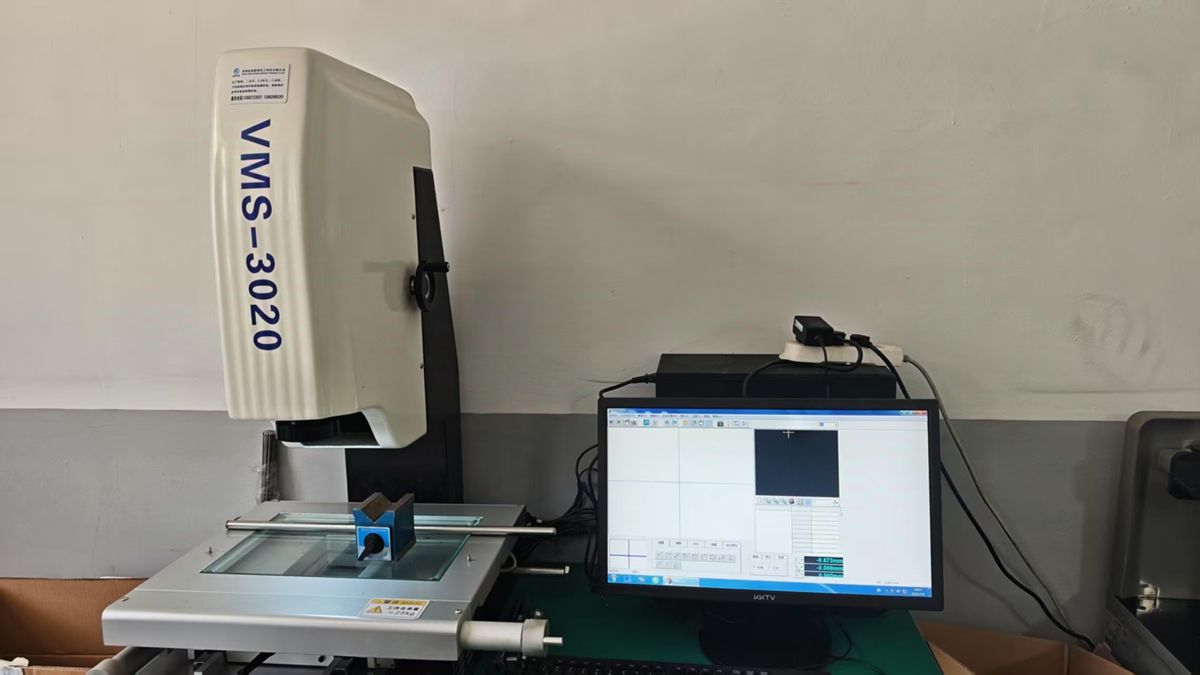
HL-VMS Inspection
HL-VMS Metrology

Optical and video measuring systems inspect the physical parameters of each nail against our digital master designs.
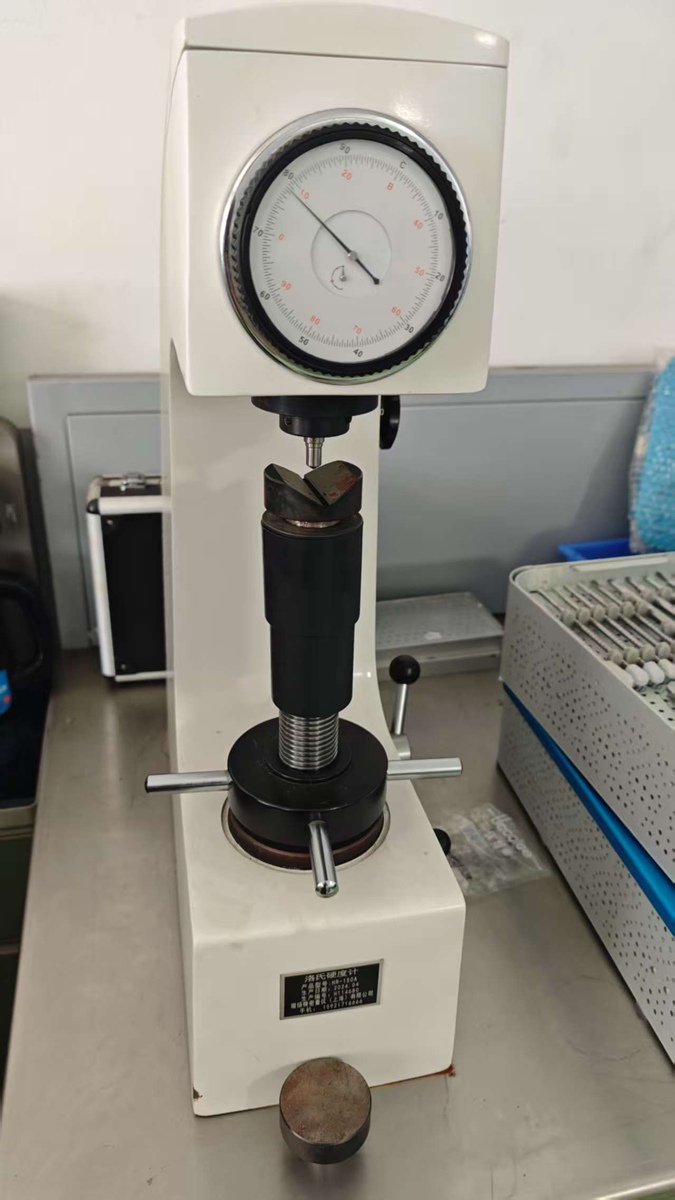
Hardness Testing Machine
Hardness Validation

Rockwell and Vickers testing processes verify that each batch of titanium and stainless steel meets clinical requirements.

Clinical & Biomechanical Performance of Intramedullary Nails

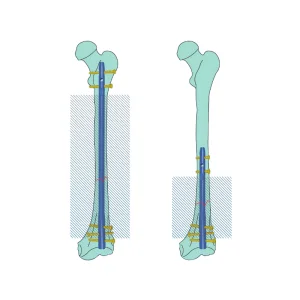
Intramedullary (IM) nailing represents the gold standard for the stabilization of diaphyseal fractures in long bones. Unlike external fixation or open reduction with plate fixation, IM nails function as load-sharing devices. By aligning with the central longitudinal axis of the bone, the nail shares physiological loads with the surrounding cortical bone, stimulating callus formation through controlled micromotion. This process—known as secondary bone healing—is crucial for patients undergoing rehabilitation in regional trauma systems such as those in Gitarama and the wider Southern Province of Rwanda.

"The mechanical performance of an intramedullary nail is defined by its bending stiffness and torsional rigidity. Achieving the optimal balance between these two properties prevents construct failure while promoting rapid cortical re-vascularization."

Material Selection: ASTM F136 Titanium vs. 316L Stainless Steel

Selecting the appropriate metallurgy is critical for clinical success in demanding environments:

  • Modulus of Elasticity: Titanium alloys (typically Ti-6Al-4V ELI) exhibit a modulus of elasticity (~110 GPa) that is significantly closer to that of human cortical bone (~10–30 GPa) compared to stainless steel (~200 GPa). This closer match reduces the risk of stress shielding, a condition where the metal implant carries all the load, leading to localized bone resorption and potential refracture after implant removal.
  • Corrosion Resistance and Biocompatibility: Titanium forms an instantaneous, stable passive oxide layer when exposed to oxygen. This layer protects the implant from electrochemical degradation in bodily fluids, minimizing the release of metal ions that can cause localized inflammation or hypersensitivity.
  • Fatigue Strength: Long-term clinical use requires high cyclic fatigue strength. Our titanium nails undergo rigorous surface finishing processes, such as glass bead blasting and anodization, to remove surface imperfections that could act as stress concentrators during patient ambulation.

Surgical Configurations and Clinical Indications

The choice of nail configuration depends on the fracture location, pattern, and patient anatomy. Our product range includes systems designed for specific clinical applications:

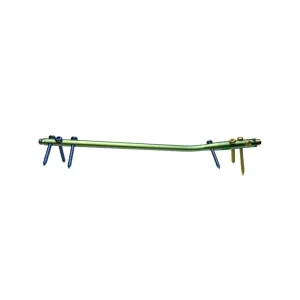
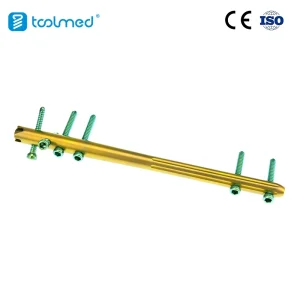
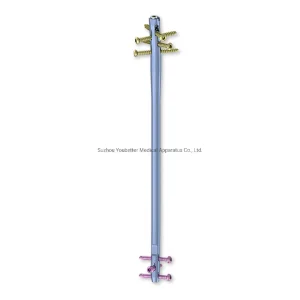
  • Tibial Interlocking Nails: Feature multiple proximal and distal locking options to stabilize proximal or distal third metaphyseal-diaphyseal segment fractures. These designs help prevent malrotation and maintain limb length.
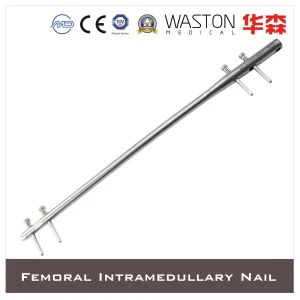
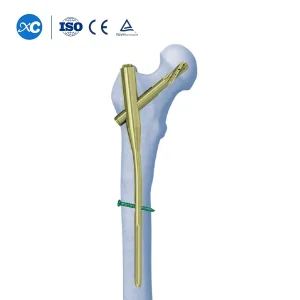
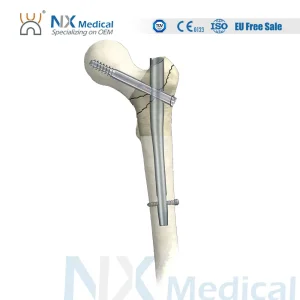
  • Femoral Reconstruction Systems: Engineered to address complex femoral shaft fractures and ipsilateral femoral neck fractures. The nail accommodates two lag screws directed into the femoral head for stable, integrated fixation.
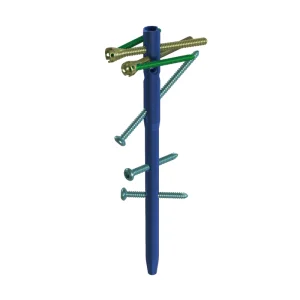
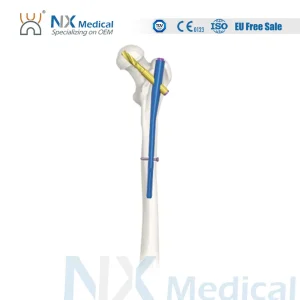
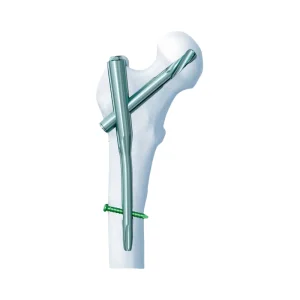
  • Proximal Femoral Nails (PFNA): Feature a helical blade design that compacts the cancellous bone in the femoral head. This provides superior resistance against "cut-out" in osteoporotic bone, a critical factor when treating elderly populations.
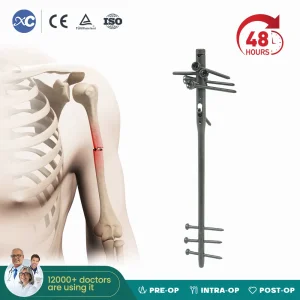
  • Humeral Micro-Lock Systems: Designed to protect the radial nerve during placement while providing stable fixation for humeral shaft fractures using locking screws.

Surgical Insertion and Alignment Instrumentation

The success of an intramedullary nailing procedure relies heavily on the quality and reliability of the surgical instruments. Hangzhou DTRX supplies complete carbon-fiber and stainless steel target instruments. These guides allow surgeons to lock screws percutaneously without relying on excessive fluoroscopy, reducing radiation exposure for both the surgical team and the patient.

Clinical, Technical & Logistics FAQ

Expert answers regarding our intramedullary nail manufacturing specifications, delivery to Rwanda, and surgical guidelines.

What raw material standards do your titanium intramedullary nails adhere to?
We use medical-grade titanium alloy conforming to ASTM F136 and ISO 5832-3 standards. This material is selected for its high strength-to-weight ratio, excellent fatigue resistance, and biocompatibility, minimizing the risk of stress shielding or implant failure.
Are Hangzhou DTRX implants approved for clinical use in Rwanda?
Yes, our manufacturing processes are certified under ISO 13485 and ISO 9001, and our products carry CE markings. We work closely with local importers to provide the documentation required by the Rwanda Food and Drugs Authority (RFDA) for import clearance.
How do you guarantee the quality of locking holes and threads?
All locking screw apertures are machined using high-precision CNC processes. Thread profiles are measured using HL-VMS metrology equipment, ensuring locking screws fit securely and prevent loosening or stripping during insertion.
Can you provide customized dimensions for specific patient groups?
Yes. We offer customized production runs to adjust nail lengths, diameters, and distal curvatures. These adjustments help accommodate patients with smaller bone dimensions or specific femoral curvatures.
What is the standard shipping lead time for hospitals in Gitarama?
For standard inventory items, shipments typically depart within 7–10 working days. Depending on the selected air freight service (DHL, FedEx, or regional air partners), delivery to Kigali International Airport takes approximately 5–7 days, followed by road transport to Gitarama.

Complete Intramedullary Nail Portfolio

A comprehensive selection of orthopedic implants for trauma surgeries, including femoral, tibial, humeral, and antirotation nailing systems.
Connect with Hangzhou DTRX Medical Tech Experts

Whether supplying municipal hospitals in Muhanga/Gitarama, tender projects in Kigali, or expanding your national medical inventory—our engineers are here to support you.

Send Inquiry Now