Designed to meet the stringent demands of modern traumatology in West-Central Africa. Our premium intramedullary nail systems offer superior anatomical conformity, state-of-the-art interlocking mechanisms, and excellent biocompatibility.
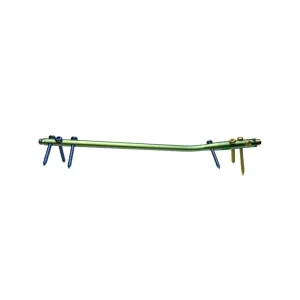
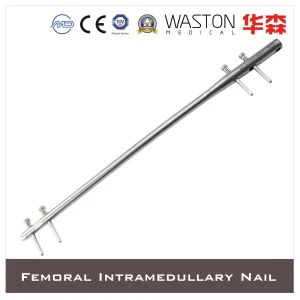
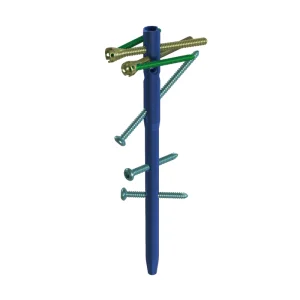
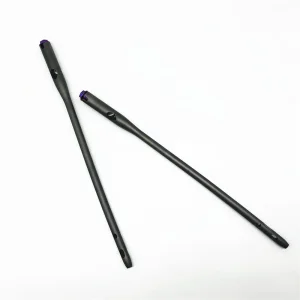
Equatorial Guinea is currently undergoing a rapid modernization of its healthcare systems under national healthcare initiatives. Significant investments in public hospitals such as the Hospital General de Malabo on Bioko Island and the Hospital General de Bata in the Continental Region are transforming local clinical capacities. Additionally, state-of-the-art facilities like the La Paz Medical Centers in both Bata and Malabo are introducing advanced orthopedic treatment protocols.
Historically, complex fractures resulting from industrial operations—specifically in the thriving offshore oil and gas sectors, maritime ports, and heavy infrastructure expansions—have presented challenges. High-impact road traffic accidents on the newly constructed highway networks connecting Bata, Mongomo, Ebebiyín, and Oyala (Ciudad de la Paz) have generated a substantial clinical demand for reliable internal fixation devices.
For these regional institutions, procuring orthopedic implants that minimize surgical site complications and support rapid patient mobilization is essential. The tropical environment also requires biomaterials with superior resistance to micro-corrosion and mechanical stress, making high-purity medical titanium (Ti-6Al-4V ELI) the material of choice for surgeons across the country.
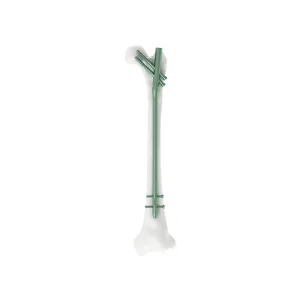
In the global orthopedic market, intramedullary (IM) nailing remains the gold standard for treating diaphyseal fractures of the long bones, particularly the femur, tibia, and humerus. Over the past decade, the industry has transitioned away from conventional open-reduction and plate-fixation techniques toward minimally invasive percutaneous insertions. This shift is driven by the desire to preserve the periosteal blood supply, which accelerates fracture healing and reduces the risk of nonunion.
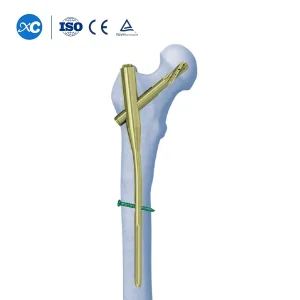
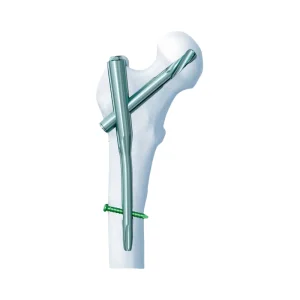
Modern IM systems, such as the Proximal Femoral Nail Antirotation (PFNA), incorporate a helical blade rather than traditional locking screws. This design increases the surface contact area, providing superior resistance against rotation and "cut-out" in osteoporotic patients.
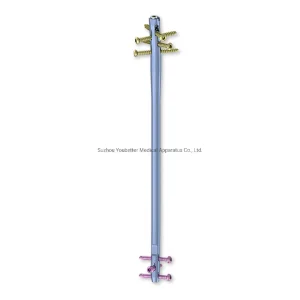
Simultaneously, the development of distal locking options, including multi-planar configuration and dynamic-static slots, allows surgeons to customize the stability profile based on fracture morphology. By selecting either static locking (to prevent axial migration) or dynamic locking (to allow controlled weight-bearing compression), surgeons can tailor the mechanical environment to promote optimal secondary bone healing.
Hangzhou DTRX Medical Technology Co., Ltd. specializes in the research, development, manufacture, and sales of orthopedic implants and instruments. Our production facility spans 32,068 square meters, supported by an advanced team of biomedical engineers and technical specialists.
We utilize advanced processing technology and testing equipment imported from Germany to ensure our products meet strict international standards. Our primary portfolio includes spinal fixation systems, interlocking intramedullary nails, metal bone plates, metal bone screws, and specialized surgical instruments. The enterprise has successfully passed ISO 9001 and ISO 13485 system certifications, and our products carry CE Certification. We currently supply clients across more than 50 countries in the Middle East, Africa, Southeast Asia, Eastern Europe, Australia, and the Americas.
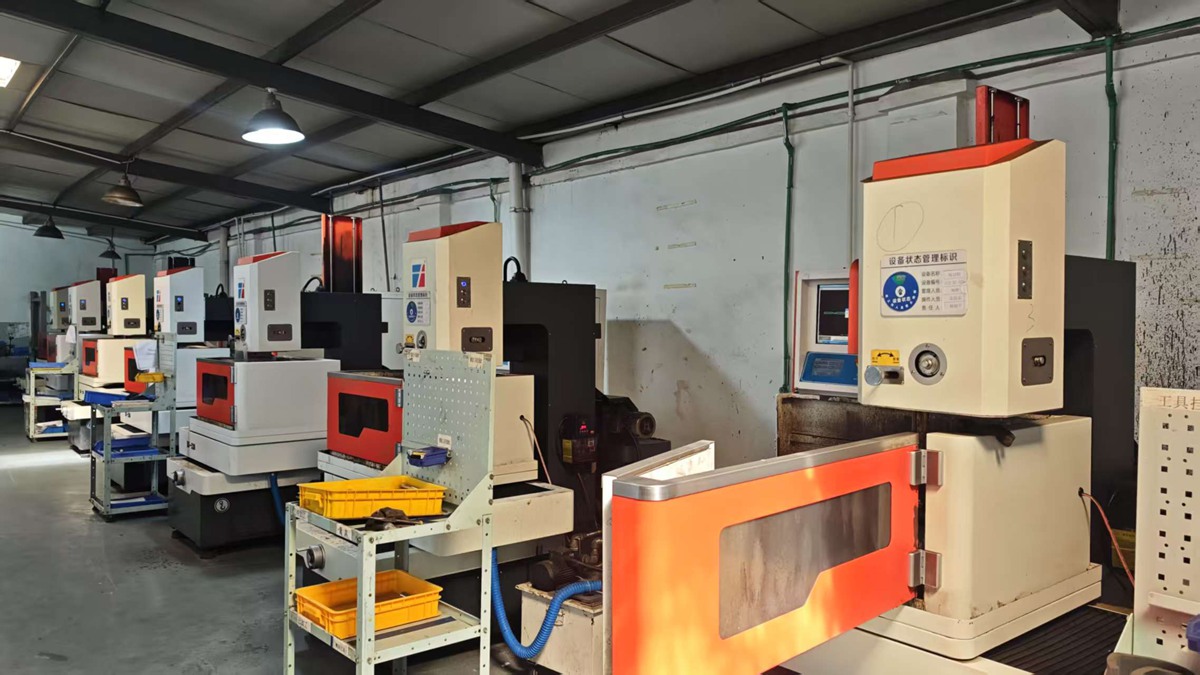
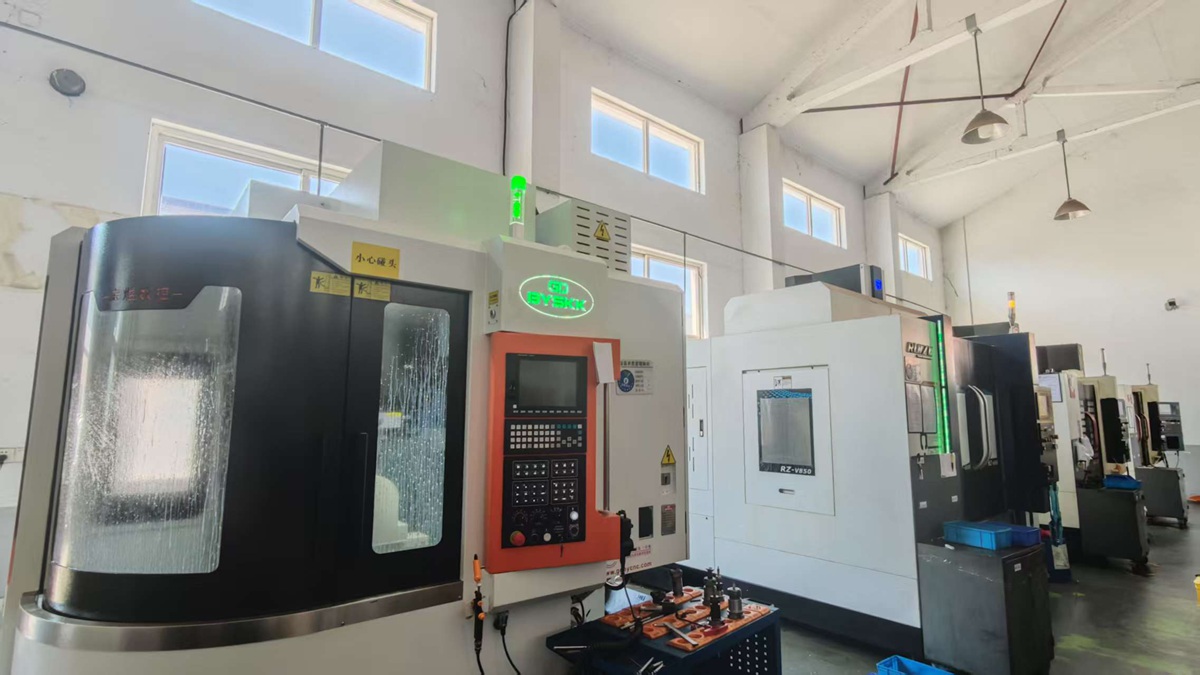
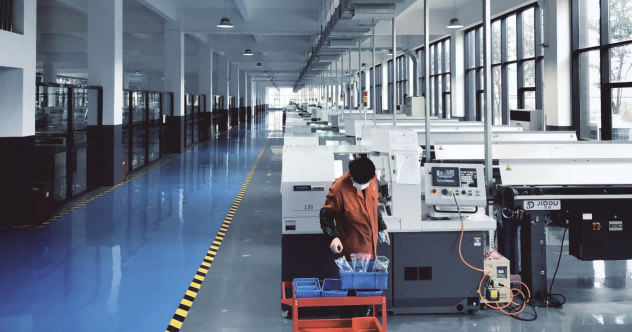
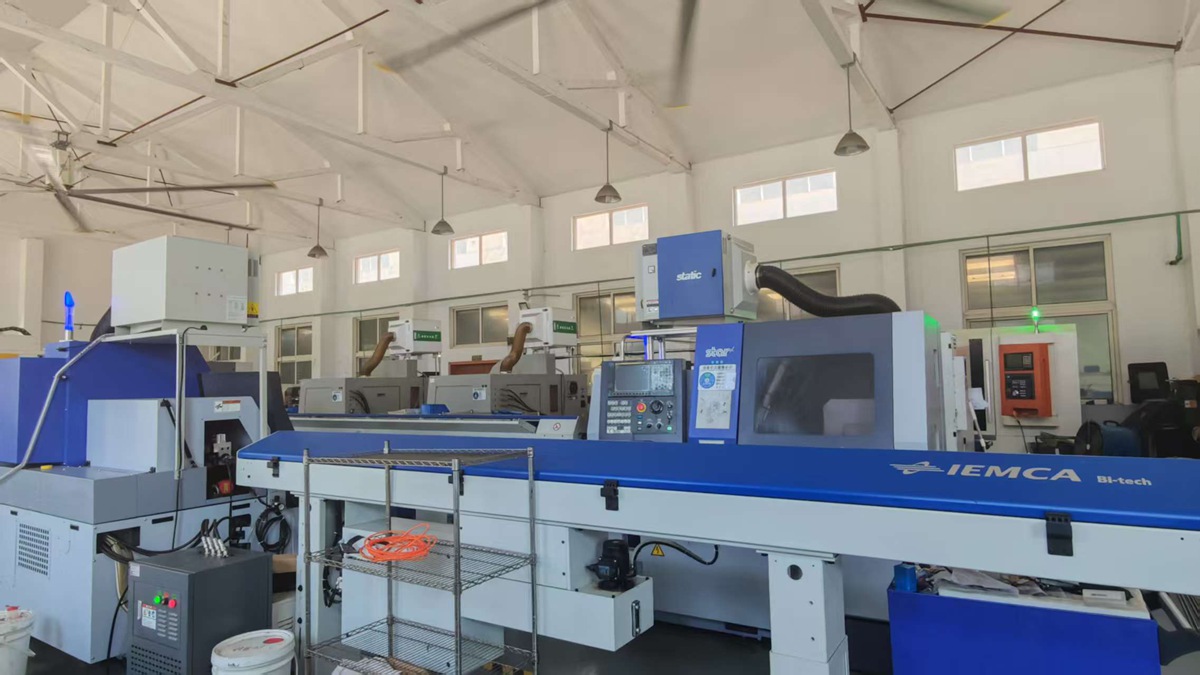
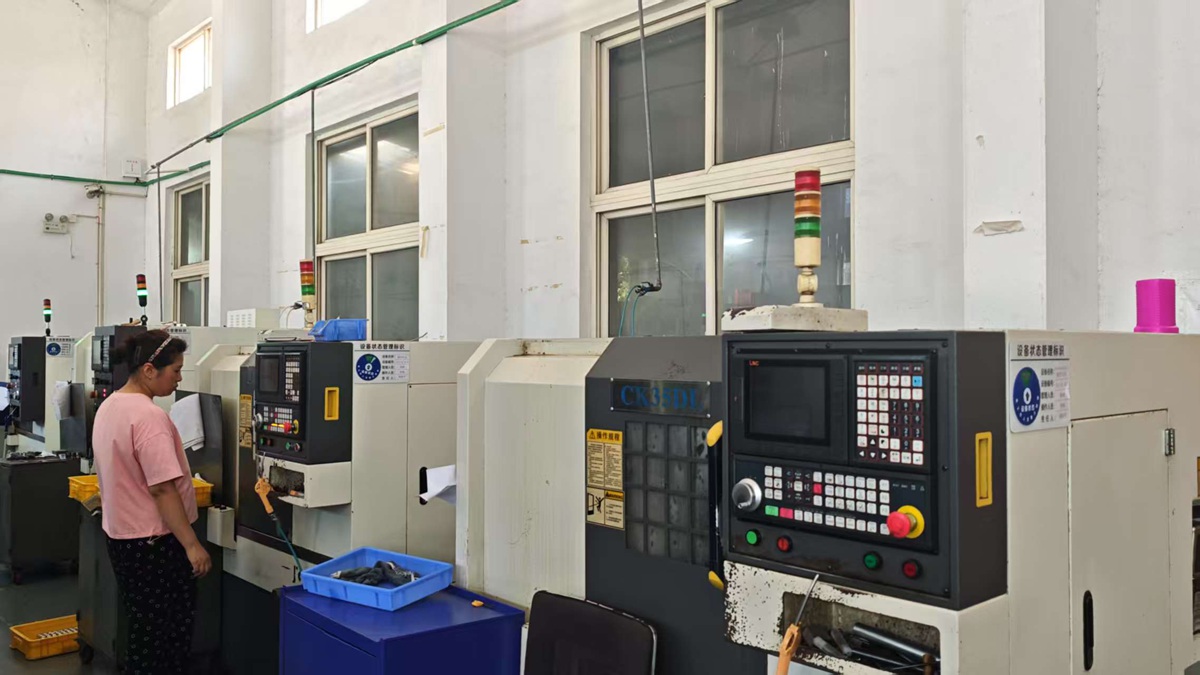
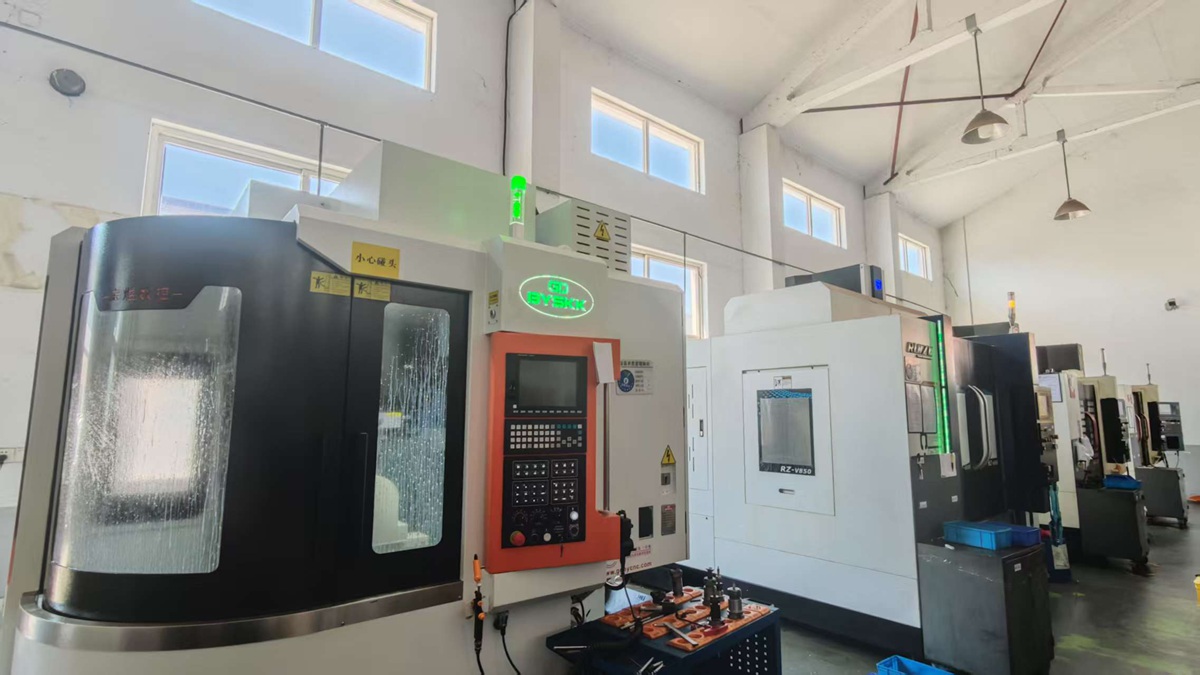
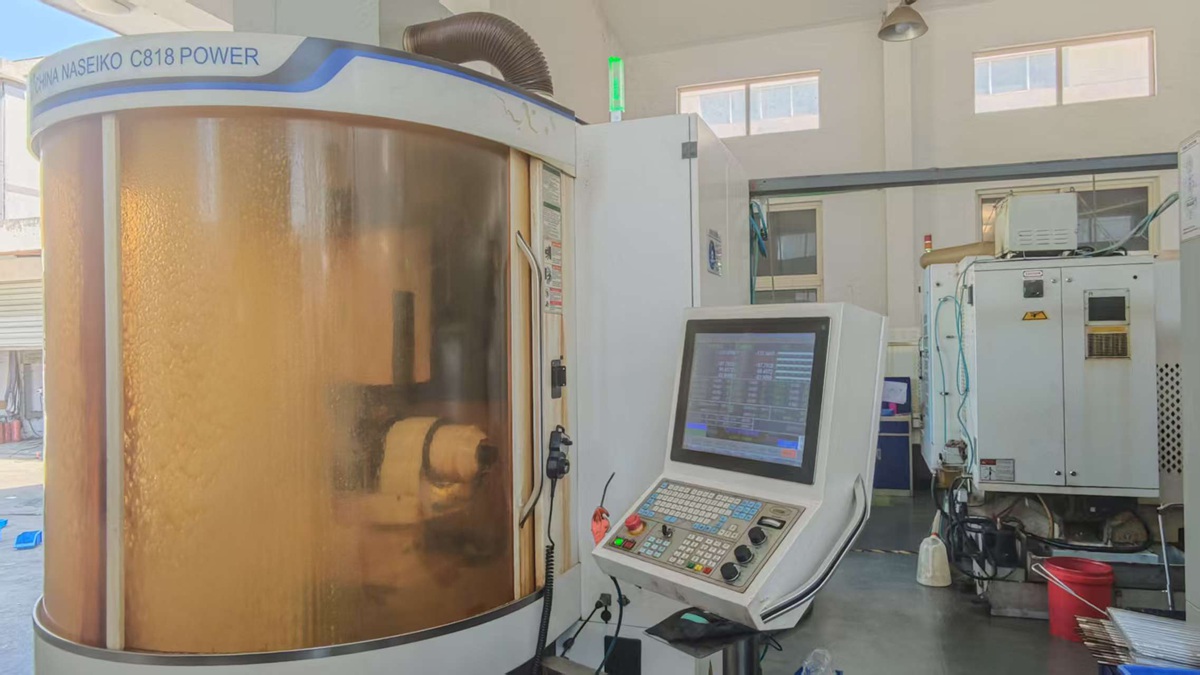
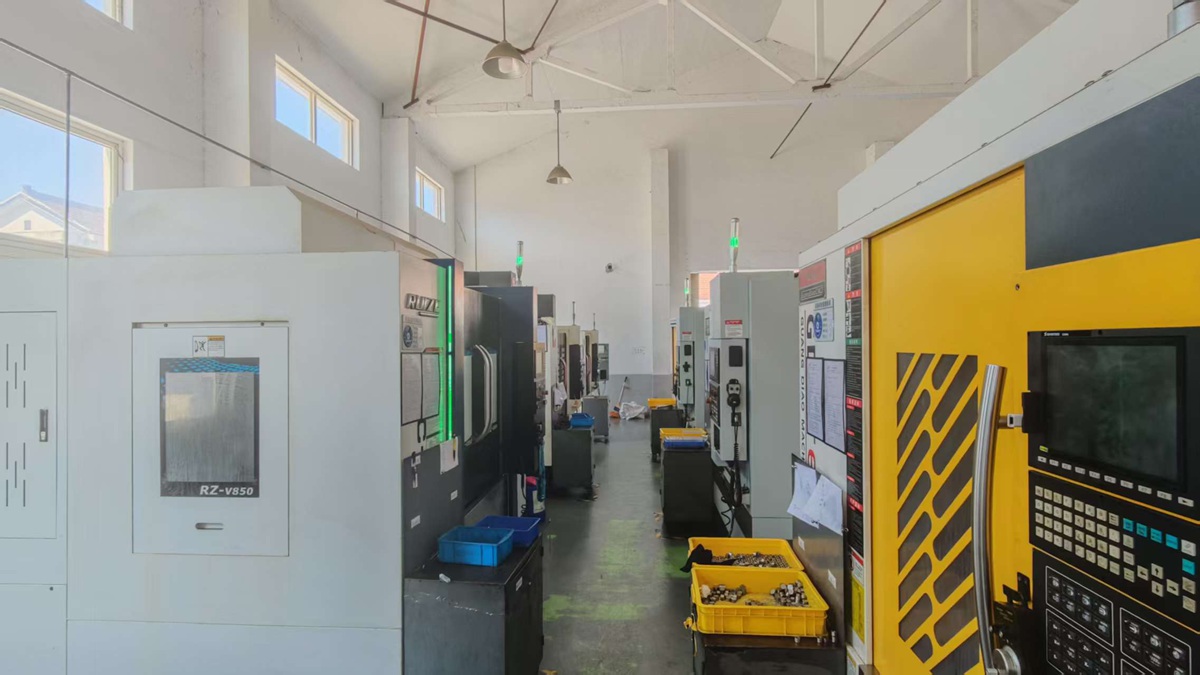
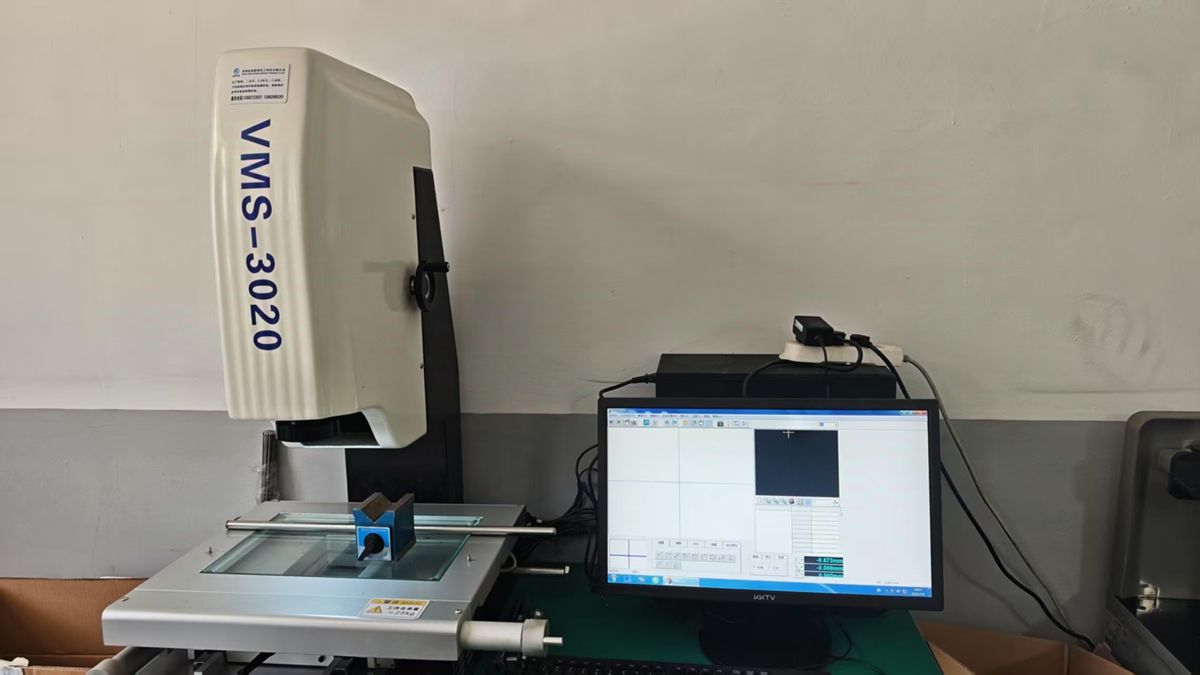
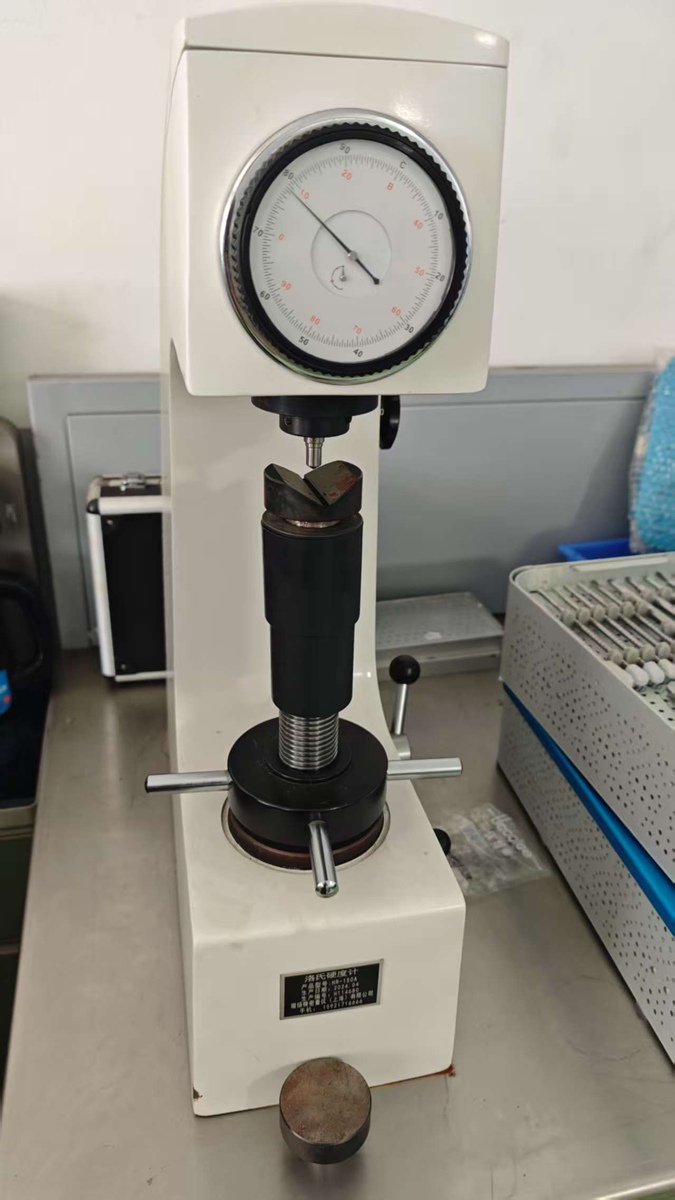
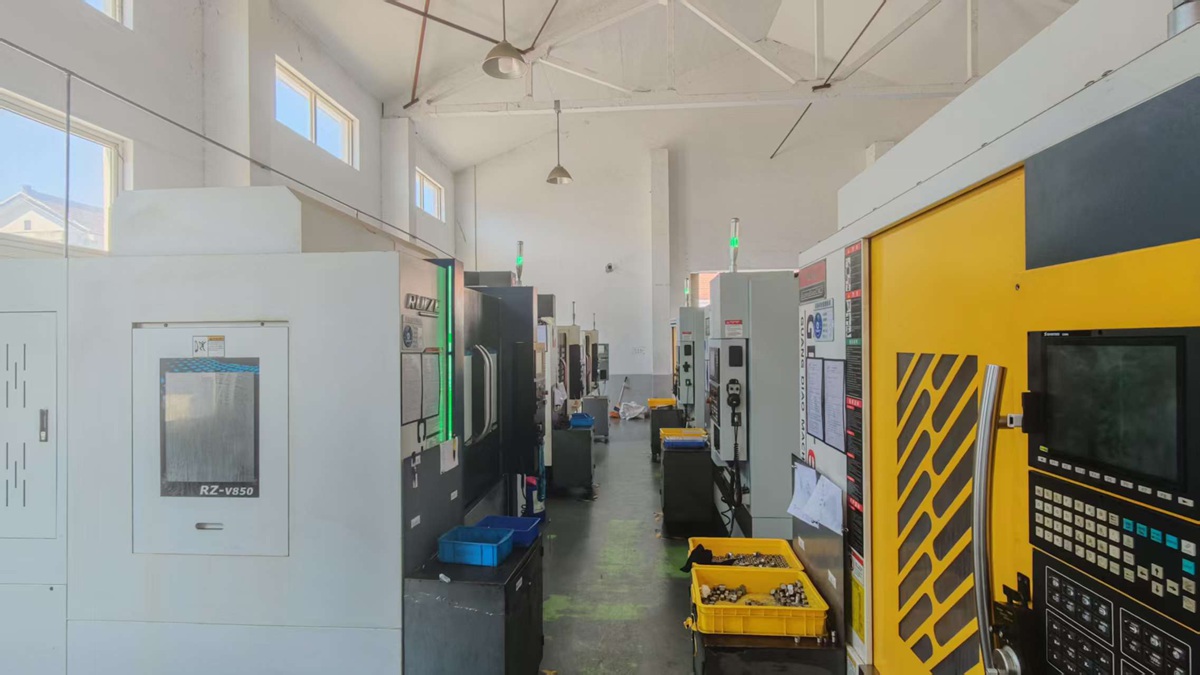
Precision engineering is critical to the biomechanical performance of intramedullary implants. Our factory uses advanced CNC machining, five-axis grinding, and rigorous quality inspection protocols to maintain high manufacturing standards.
In local clinics, traumatologists regularly address a range of orthopedic challenges, including complex closed diaphyseal fractures, compound open fractures from industrial machinery, and corrective osteotomies. To ensure optimal surgical execution under varying hospital environments in Bata, Malabo, and rural provinces, DTRX Medical provides complete surgical solution packages:
Under operating room lights, speed and accuracy are crucial. Our intramedullary nails are anodized in color-coded variations (blue, green, gold). This visual system enables surgical staff to rapidly identify diameters, lengths, and left/right orientations, reducing surgical time and minimizing procedural errors.
We provide specialized, reusable instrument sets that include flexible reamers, dynamic insertion guides, carbon-fiber radiolucent aiming arms, and extraction tools. These instruments are designed to withstand repeated autoclave sterilization cycles, ensuring longevity in high-throughput hospitals.
Our pure titanium and alloy products undergo specialized chemical and mechanical polishing. This process forms a stable titanium dioxide (TiO₂) passive layer on the implant surface, reducing the risk of metal ion release and helping to prevent late-onset bacterial infections in humid tropical climates.
As a forward-looking medical manufacturer, DTRX Medical is continually developing new technologies in osteosynthesis. Our research and development roadmap focuses on the following primary innovations:
Integrating active silver ions and custom polymer coatings onto titanium surfaces to inhibit bacterial colonization and prevent implant-associated osteomyelitis.
Developing magnesium alloy interlocking components that slowly degrade as bone healing progresses, eliminating the need for secondary removal surgeries.
Utilizing CT-based 3D titanium printing to construct bespoke intramedullary configurations for complex skeletal reconstructions and severe deformities.
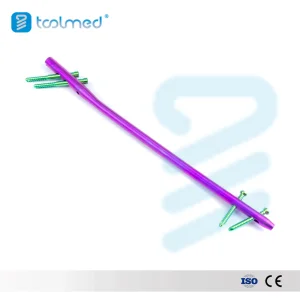
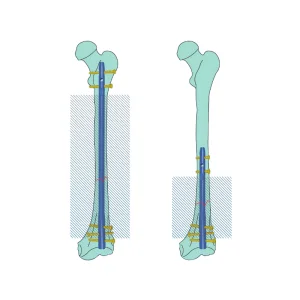
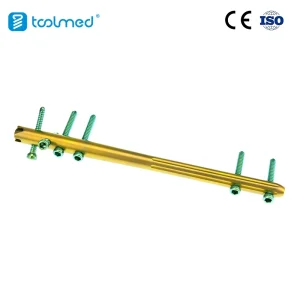
Our complete range of locking intramedullary nails is designed to address anatomical variations across diverse patient populations in Equatorial Guinea.
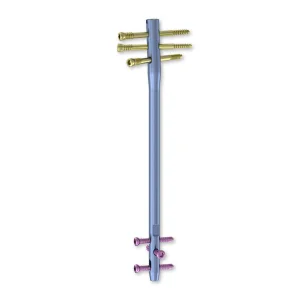
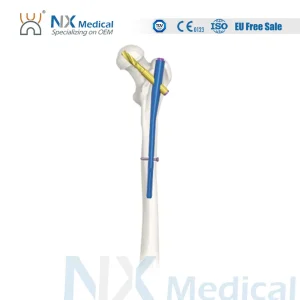
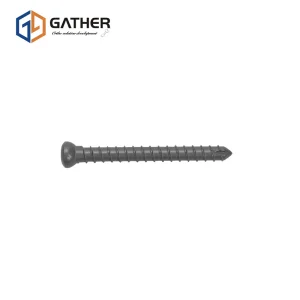
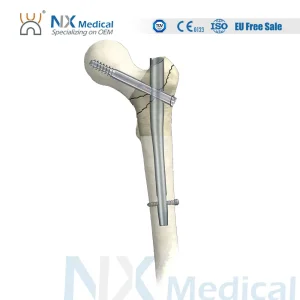
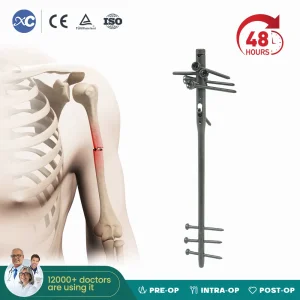
Explore additional anatomical adaptation implants, including specialized humerus systems and pure titanium surgical solutions.
We understand the logistical demands of importing medical devices into Central Africa. DTRX Medical provides end-to-end supply chain support to facilitate smooth delivery and compliance.
We offer direct maritime and air shipping routes to the Port of Malabo and the Port of Bata. All documentation, including Certificates of Origin, SGS Inspections, and Bill of Lading, is managed to align with CEMAC regional customs and regulatory requirements.
Our documentation packages support registration processes with the Ministry of Health and Social Welfare (MINSABS). We provide full technical files, CE certificates, and ISO 13485 declarations to assist local distributors with verification procedures.
Implants are packaged to withstand transit conditions, with optional Ethylene Oxide (EO) sterilization. Each shipment is marked with batch tracking numbers for traceability from production through to clinical use.
Leveraging our 32,068m² facility, we can manufacture customized product dimensions or create bespoke surgical instruments tailored to the clinical needs of your healthcare network.
Find answers to common questions about our intramedullary nail systems, manufacturing specifications, and distribution capabilities.
Whether you run a private surgical center in Malabo, distribute medical equipment across the CEMAC region, or manage orthopedic procurements for public health facilities, DTRX Medical provides reliable implant solutions.
 DTRX Orthopedic Implants