Hangzhou DTRX Medical Technology Co., Ltd. is a globally distinguished developer and manufacturer of advanced orthopedic implants and surgical instruments. Powered by precision engineering and German inspection technologies, we deliver custom OEM/ODM solutions to medical enterprises worldwide.
Integrated industrial campus optimizing high-volume production streams.
Two decades of domain specialization in spinal, trauma, and joint systems.
Proprietary innovations in structural implants and instrument ergonomics.
Comprising mechanical engineers, metallurgists, and QA directors.
Certified Quality Assurance: All facilities operate under rigorous ISO 9001 and ISO 13485 (Medical Devices Quality Management Systems) guidelines, ensuring CE-marked regulatory compliance across North America, Europe, the Middle East, and Latin America.
The global orthopedic implant market demands uncompromised precision, absolute biological safety, and streamlined supply chain logistics. As clinical procedures trend toward minimally invasive surgeries (MIS) and personalized patient treatments, the procurement requirements for custom orthopedic instruments and surgical implants have scaled in complexity. OEMs, medical device distributors, and healthcare systems are no longer seeking mere components; they require highly specialized manufacturing partners capable of navigating complex metallurgy, polymer synthesis (such as PEEK), and stringent international regulatory frameworks.
This whitepaper analyzes the technical, operational, and regulatory paradigms of modern orthopedic instrumentation manufacturing, focusing on how Chinese advanced manufacturing centers bridge the gap between high-precision tolerances and cost-efficiencies for global markets.
Implants and their delivery instruments are subjected to extreme biomechanical stresses within the human body. To ensure biological compatibility, osseointegration, and fatigue resistance, materials are limited to a narrow spectrum of medical-grade alloys and advanced engineering polymers:
We employ German inspection equipment to conduct stress-relaxation profiling, micro-indentation hardness assessments (Vickers scale), and high-resolution coordinate measuring machine (CMM) profiles. This assures dimensional stability down to the single-digit micrometer scale.
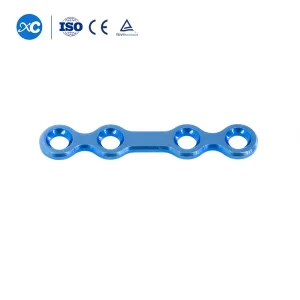
Our automated finishing techniques include acid etching, electrochemical polishing, and type II anodization. Anodization allows color coding of trauma plates and screws, enhancing surgical efficiency by preventing cross-sizing errors in the operating room.
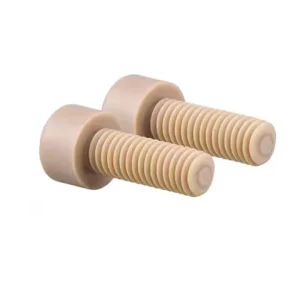
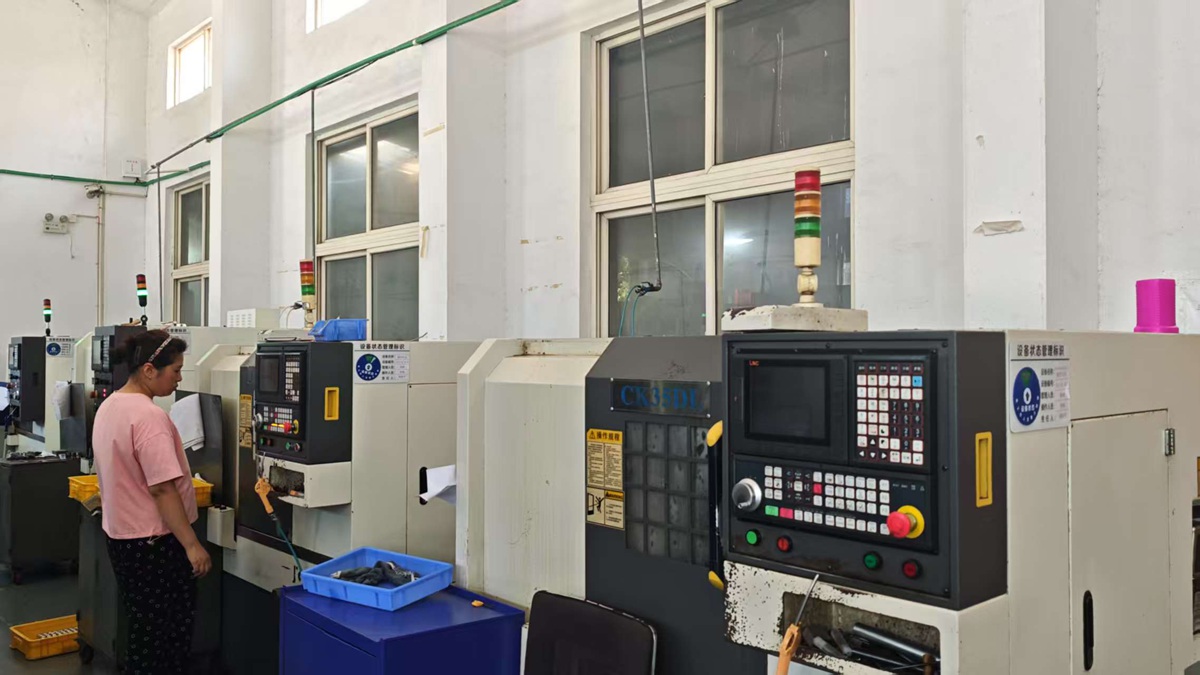
Our CNC machining centers utilize complex multi-axis configurations to turn raw titanium and PEEK stock into micron-precise surgical components.
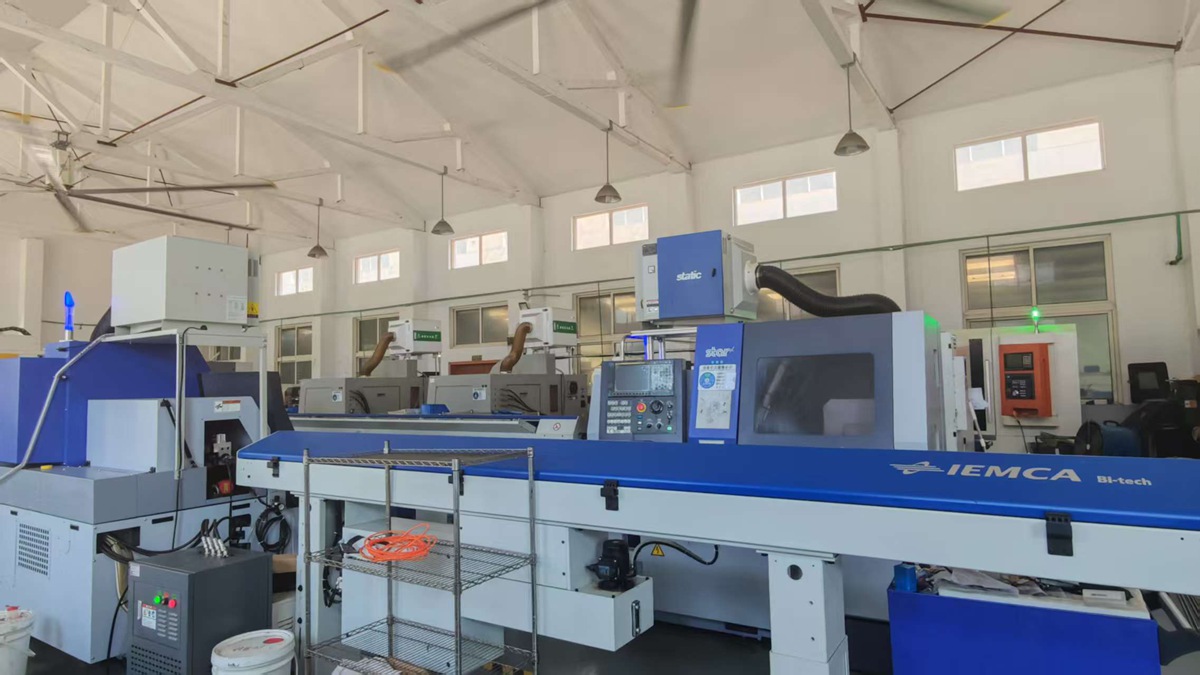
Integrated Swiss-type lathes for simultaneous machining of long, slender orthopedic shafts.
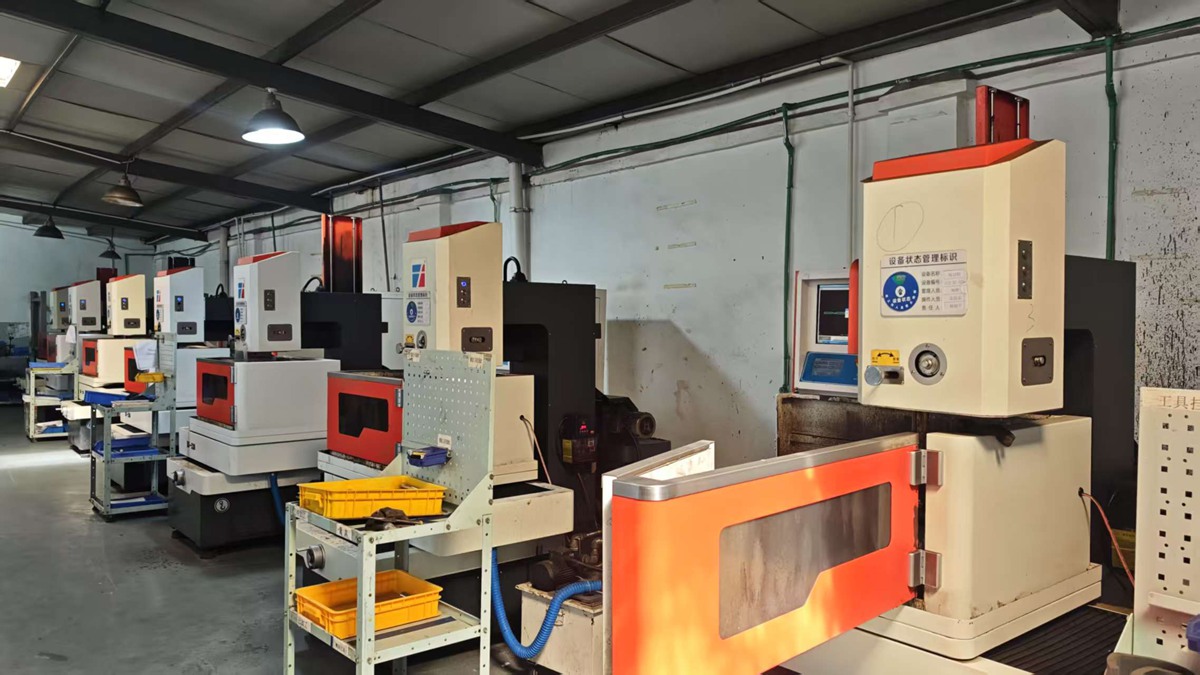
Precision toolpaths executing micro-features with ultra-tight geometric tolerances.
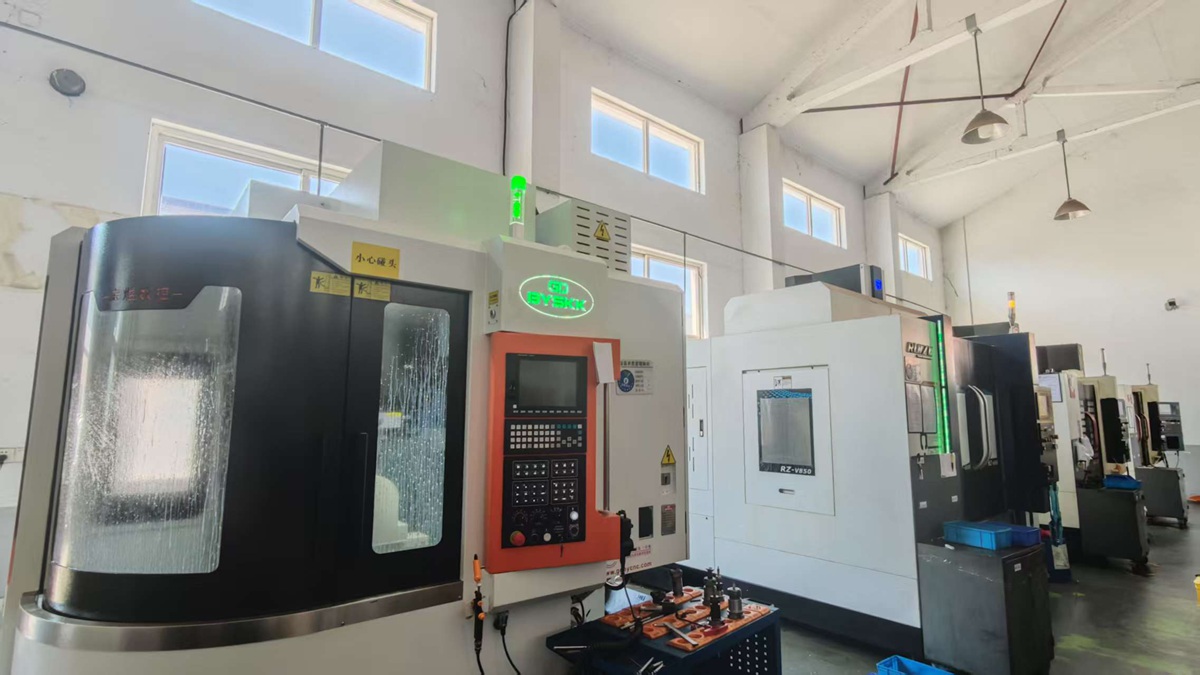
Advanced grinding kinematics producing complex drill geometries and tap edges.
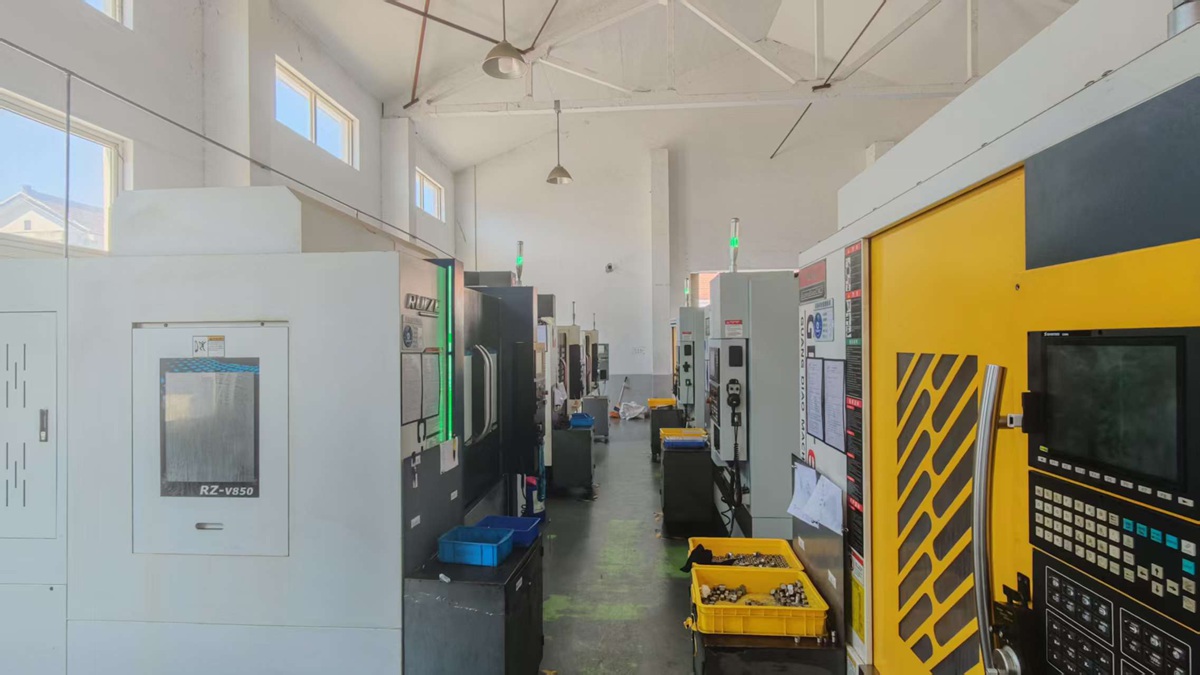
High-precision optical video measuring system for non-contact component inspection.
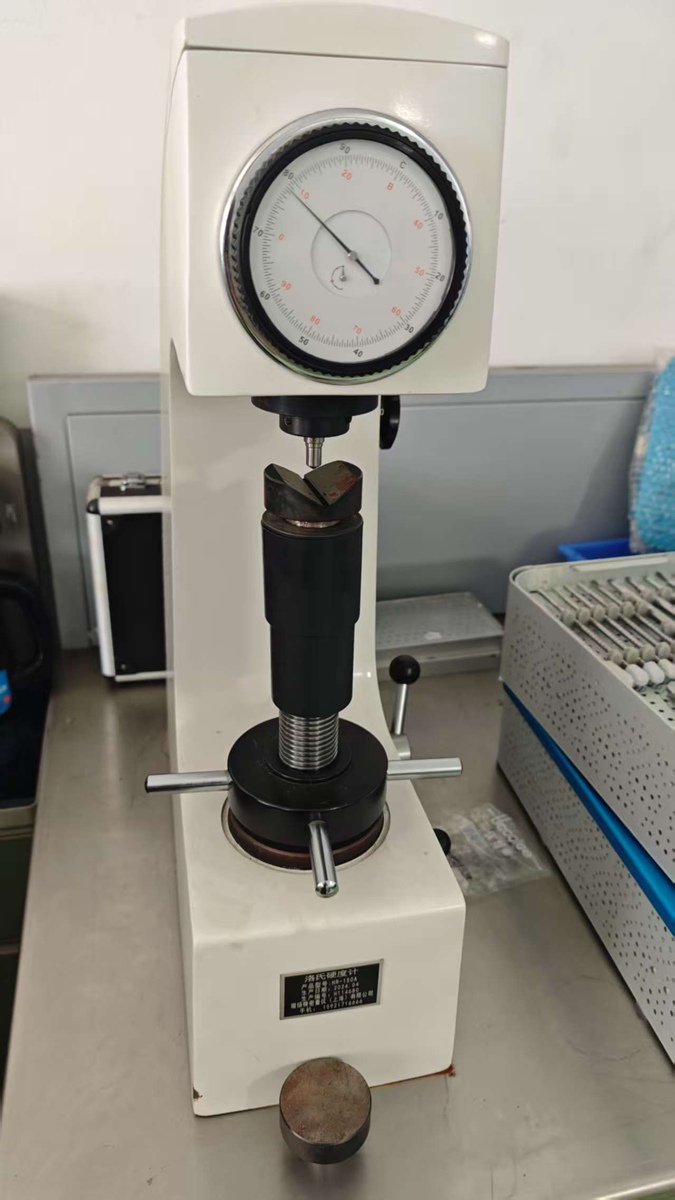
Mechanical testing verifying structural integrity and resistance to load deformation.
Fully automated multi-pallet systems executing continuous high-output shifts.
Proprietary post-processing removing micro-burrs within deep cannulated internal lumens.
Synchronous dual-spindle processing reducing raw material setups for high accuracy.
For international buyers—including healthcare conglomerates in North America, Europe, Australia, and South-East Asia—procurement decisions are dictated by the trifecta of cost, quality, and velocity. Partnering with a vertically integrated Chinese manufacturer like Hangzhou DTRX Medical Technology Co., Ltd. presents strategic economic benefits:
Due to regional supply clusters, raw materials (PEEK, Titanium Grade 5) and specialized tooling are sourced with minimal transit overhead. This yields significant per-unit savings without compromising raw material specifications.
Our localized engineering framework supports swift translation of CAD design files to physical, functional prototypes. We utilize virtual toolpath simulation software to bypass physical errors, shrinking lead times from months to weeks.
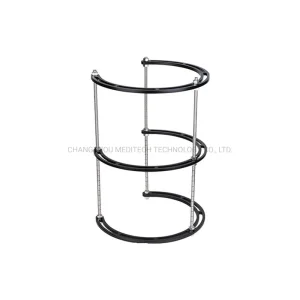
With our 4,500m² manufacturing footprint, we flexibly support low-volume specialized runs (e.g., custom pediatric external fixators) and mass-production scales (e.g., millions of spinal pedicle screws annually).
Cleanliness in medical implant fabrication is an absolute requirement. Residues from CNC machining coolants, cutting oils, and human handling can trigger serious host-immune responses. This is why Hangzhou DTRX Medical incorporates rigorous post-machining ultrasonic cleaning regimens (utilizing multi-stage deionized water systems) and processes products inside specialized dust-free packaging zones.
Furthermore, navigating the changing regulatory landscapes of the European Union MDR (Medical Device Regulation 2017/745), the United States FDA 510(k) pathway, and national registrations is essential. Our documentation infrastructure supports full material traceability (heat-number matching from the raw steel mill or polymer plant to the final laser-etched serial number on the implant). This mitigates clinical and legal risks for our distribution partners.
Our custom orthopedic components are engineered for highly specific clinical indications, ensuring surgeons have absolute tactile control and reliable biomechanical outcomes.
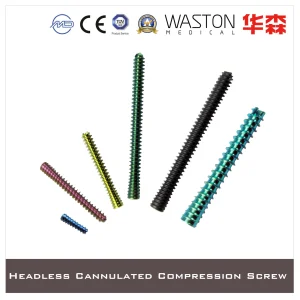
Our Monoaxial and Polyaxial Pedicle Screws, crosslinks, and laminar hooks form rigid constructs capable of stabilizing posterior segments during spinal fusion. Precision-cut threads minimize insertion torque while maximizing pull-out strength in osteoporotic bone.
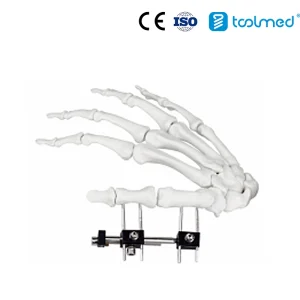
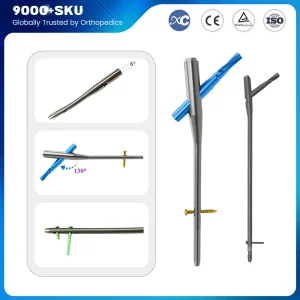
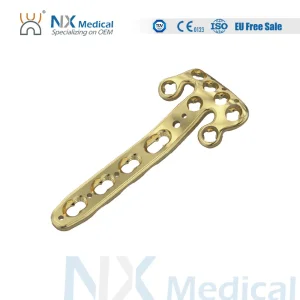
From PFNA (Proximal Femoral Nail Antirotation) intramedullary rods to anatomically contoured variable-angle locking plates, our hardware supports stable reduction and accelerated recovery in complex tibial, femoral, and radial shaft fractures.
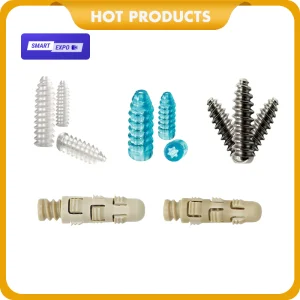
Minimally invasive reconstructions require reliable soft-tissue-to-bone fixation. Our titanium and bio-composite suture anchors and interference screws are threaded for secure positioning within the glenoid or tibial tunnels during ACL/PCL repairs.
Clarifying the core operational, technical, and commercial questions for procurement officers and engineering directors.
For customized modifications of existing implant profiles, we deliver functional, inspected prototypes within 15 to 30 working days. This includes raw design file translation (STEP/IGS formats), machine setup, toolpath programming, and post-machining validation. Complex, completely custom instrumentation sets may require up to 45 to 60 days depending on raw material availability and complex geometrical verification requirements.
We source medical-grade raw materials exclusively from certified vendors who supply full Mill Test Certificates (MTC) proving compliance with ASTM F136 (Titanium) and ASTM F2026 (PEEK). Our cleaning validation process meets ASTM F3127 / F2459 standards, removing all traces of manufacturing lubricants. The finished products are cleanroom-packaged and compatible with Gamma, Ethylene Oxide (EtO), or steam sterilization protocols.
Our facility operates under a Quality Management System certified to ISO 13485 (specifically for medical device manufacturing) and ISO 9001. Many of our core product families are CE marked and cleared for international export, simplifying import clearance in European and allied medical markets.
Yes. We specialize in ergonomic customizations, including slip-resistant silicone overlays, lightweight anodized aluminum frames, and customized laser-marked graduation lines. These features help surgeons operate more comfortably and accurately during complex procedures.
We use advanced metrology equipment (like HL-VMS optical measurement systems and digital hardness testers) to verify the physical properties of our materials. Continuous monitoring during production runs ensures that the mechanical and geometric parameters of each batch stay well within defined tolerances.
 DTRX Orthopedic Implants