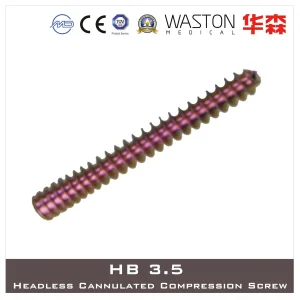
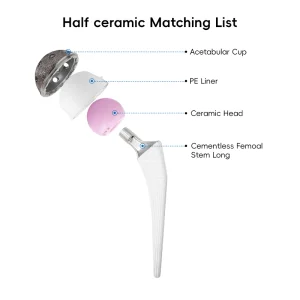
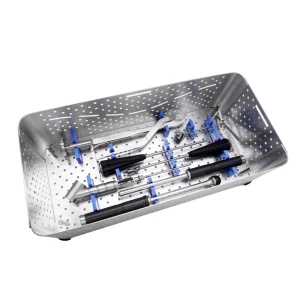
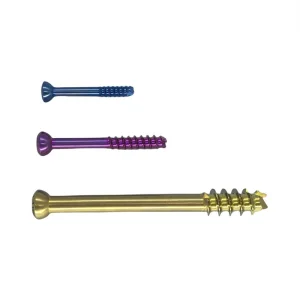
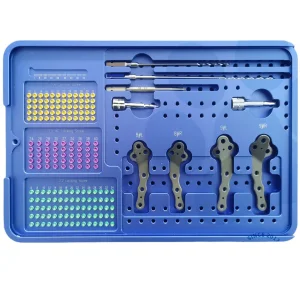
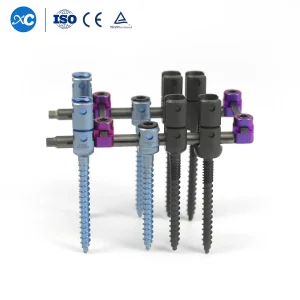
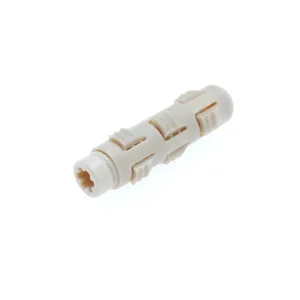
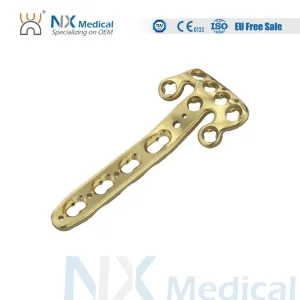
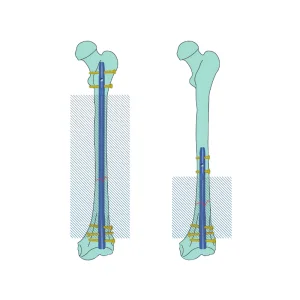
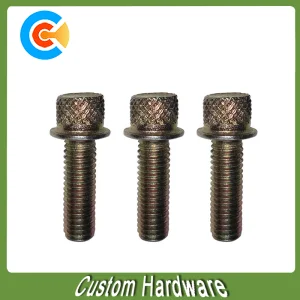
The original product records, images, and URLs are retained below. These cards present the first eight catalogue items for direct technical review, supplier verification, and inquiry routing.
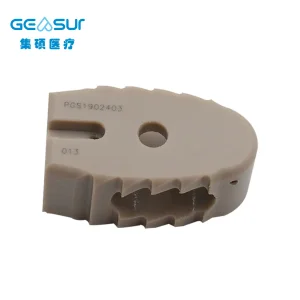
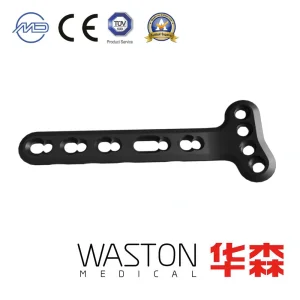
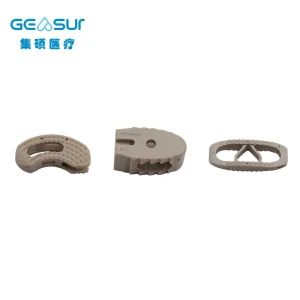
Trust signals for global medical procurement begin with transparent company facts, production evidence, quality certifications, and a long-term export record.
Welcome to Hangzhou DTRX Medical Technology Co., Ltd. Our company is specialized in developing production and sales of orthopedic implants and instruments. The factory covers a ground space of 32,068 square meters. Meanwhile we have a strong group of engineers and technicians. The company satisfies the customers' requirements with satisfied quality and favorable service, which is based on the advanced production & processing technology and the best testing equipment imported from Germany.
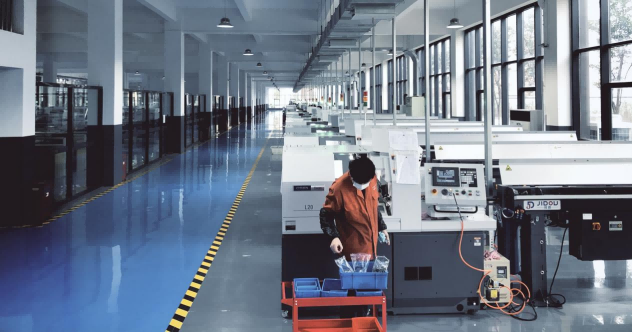
The main products are as followed: Spinal fixation system, interlocking intramedullary nails, metal bone plates, metal bone screws and related operation instruments. Enterprise has passed I S O 9 0 0 1 and I S O 1 3 4 8 5 system certification, products have passed the CE certification. We do business with customers from over 50 countries from Middle east, Africa, South-east Asia, East Europe, Australia, North America, South America. Youbetter remains the ideas of "care first", and we pay much attention to developing the new products, improving the quality of the products, and hankering the perfect of the service. We have a strong team of researching and developing new products which can meet the different needs of different customers. We keep innovation and have full of passion to be better. We are looking forward to having business with you in near future! Believe in us, You will be better!
In renal care, a dialysis machine is not an ordinary capital purchase. It is a life-critical electromechanical system that must remain reliable under continuous clinical use, water-quality variation, power instability, and high patient turnover.
Google’s Search Quality Rater Guidelines reward content that demonstrates first-hand experience, professional expertise, authoritativeness, and trustworthiness. In B2B medical-device sourcing, the same principles apply. A credible dialysis machines manufacturer and exporter should not hide behind generic claims such as “high quality” or “competitive price.” It should provide verifiable evidence across design control, component traceability, clinical safety, servicing, spare-parts availability, and local regulatory support. This is where information gain becomes a competitive advantage: suppliers that publish boundary conditions, validation logic, maintenance assumptions, and after-sales commitments are easier for procurement teams to qualify and easier for search engines to recognize as authoritative.
Evidence of installed base, reference hospitals, serial-number traceability, field-service records, operator training, and real-world uptime under different water and power conditions.
Competence in fluid dynamics, ultrafiltration control, dialysate mixing, blood-pump safety, water treatment, IEC 60601, ISO 14971 risk management, and software lifecycle controls.
Clear certificate scope, notified-body documentation, export history, product technical files, distributor support, and participation in recognized medical-device quality systems.
Transparent specifications, traceable spare parts, warranty terms, complaint handling, cybersecurity controls, post-market surveillance, and measurable service-level agreements.
For global procurement teams, a reliable Top Trusted Dialysis Machines Manufacturer & Exporter should make verification easy. Buyers should ask for the technical file index, risk-management summary, electrical-safety test plan, software validation evidence, water-quality requirements, calibration intervals, consumable compatibility matrix, and service-spare-parts list. These materials reduce clinical risk and support a stronger total cost of ownership analysis.
The next decade of dialysis technology will be shaped by distributed care, intelligent monitoring, water-efficiency engineering, and stronger integration with hospital information systems.
Modern dialysis platforms are evolving from isolated treatment consoles into connected renal-care systems. The roadmap is not only about adding a touchscreen or a cloud dashboard. It is about validated sensing, fail-safe fluid control, cyber-secure data exchange, and serviceability in low-resource environments. Buyers seeking a reliable dialysis machines manufacturer and exporter should evaluate the product roadmap against clinical evidence, regulatory readiness, and lifecycle support.
Adaptive ultrafiltration, conductivity and transmembrane-pressure monitoring, automated safety checks, remote diagnostics, treatment-data integration, and support for high-volume clinical workflows.
Patient-friendly interfaces, compact water-treatment options, sorbent technology, peritoneal dialysis cyclers, remote monitoring, caregiver training, and simplified maintenance for distributed care.
Continuous renal replacement therapy, modular configurations, anticoagulation protocols, EHR interoperability, rapid setup, and dependable operation in intensive-care environments.
Reverse-osmosis design, loop disinfection, endotoxin control, conductivity monitoring, audit logs, and water-efficient treatment pathways for large hospital networks and satellite units.
The future outlook also includes wearable and implantable artificial-kidney research, but responsible manufacturers should position artificial intelligence as clinical decision support rather than an autonomous diagnostic replacement. Regulatory validation, cybersecurity, human factors, and post-market surveillance remain decisive. For exporters, the strongest technical roadmap is one that ships with validated test protocols, a clear change-control process, and region-specific documentation support.
Dialysis procurement has shifted from single-machine purchasing to integrated renal-care solutions spanning hospital hubs, home therapy programs, emergency capacity, and private clinic chains.
Centralized water treatment, standardized machine fleets, remote monitoring, shared training, and prioritized spare-parts logistics for satellite dialysis units.
Portable or compact systems, patient training pathways, 24/7 helplines, consumable delivery, and tele-monitoring that reduces unnecessary hospital visits.
Rapid-deployment dialysis capacity, modular water treatment, mobile clinics, simple operation workflows, and documentation suitable for public tenders.
Fleet economics, service-level agreements, consumable compatibility, biomedical training, financing support, and long-term maintenance planning.
Macro-level buyers need more than a machine brochure. They need a manufacturer and exporter that can support standardized consumables, interoperability, staff training, clinical education, and local service coverage. For large networks, the right partner should provide a fleet-level maintenance model, asset-register templates, calibration schedules, and transparent reporting on machine availability. These details reduce downtime and protect patient access to care.
Localization is not translation. For dialysis machines, it is the complete adaptation of documentation, electrical safety, water assumptions, labeling, training, cybersecurity, and post-market service to a target market.
Technical files, risk-management summaries, test reports, labeling, UDI support, and registration assistance aligned with the destination market’s requirements.
Voltage, plug, grounding, environmental limits, water-quality assumptions, dialysate compatibility, and installation requirements for local clinical conditions.
Local-language interfaces, operator manuals, service manuals, train-the-trainer programs, commissioning support, and remote technical escalation.
Access control, audit logs, software update planning, vulnerability handling, complaint management, corrective actions, and spare-parts lifecycle commitments.
Compliance assurance should be traceable to the exact product configuration. Depending on the market, buyers may request ISO 13485 quality-system evidence, ISO 9001 certification, CE marking, U.S. FDA clearance where applicable, IEC 60601 electrical-safety reports, ISO 14971 risk-management files, and IEC 62304 software lifecycle evidence. The certificate scope must be checked carefully. A general factory certificate does not automatically prove that every dialysis-machine model is covered. Local labeling, import documentation, and language requirements should be verified before the order is placed.
China’s medical-device supply chain is no longer only a cost advantage. It is an integrated engineering ecosystem combining machining, finishing, metrology, quality control, export packaging, and rapid new-product introduction.
Hangzhou DTRX Medical Technology Co., Ltd. operates within this manufacturing ecosystem. Its factory covers a ground space of 32,068 square meters, supported by engineers, technicians, advanced production and processing technology, and testing equipment imported from Germany. The source information also lists a 4500㎡ plant area, 120+ employees, 10+ technical patents, ISO 9001, ISO 13485, and CE certification. For a dialysis-machine procurement program, these are relevant signals because fluid-handling components, brackets, housings, connectors, instrument sets, and precision metallic parts all depend on disciplined process control.
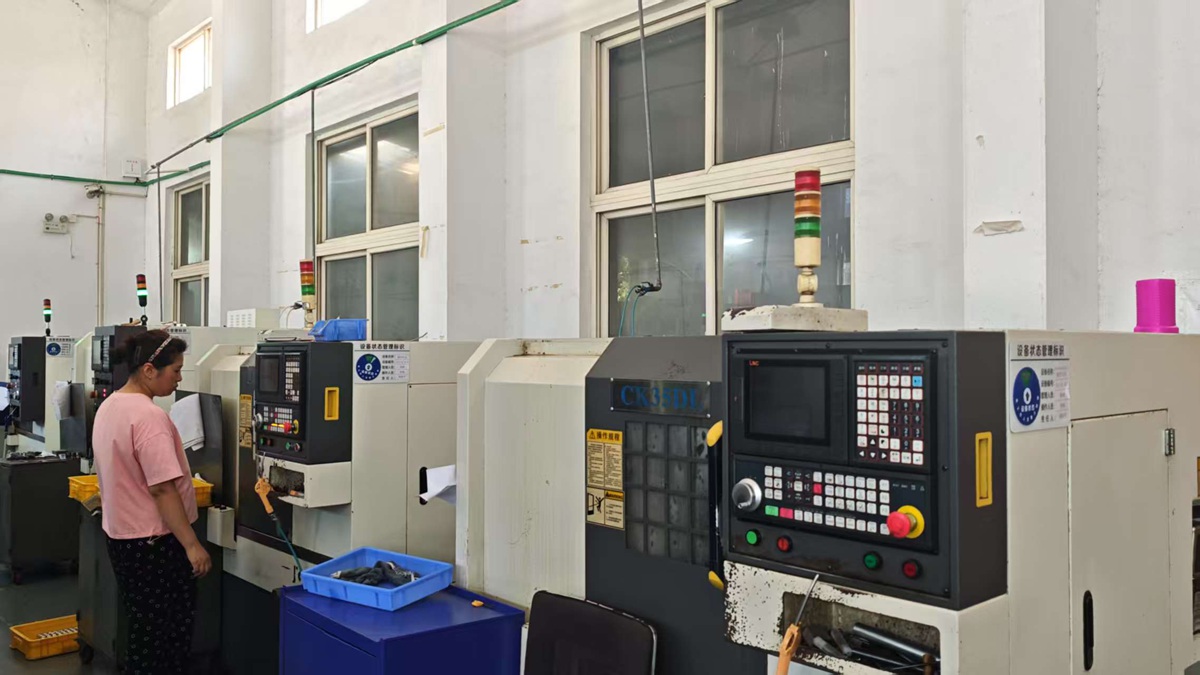
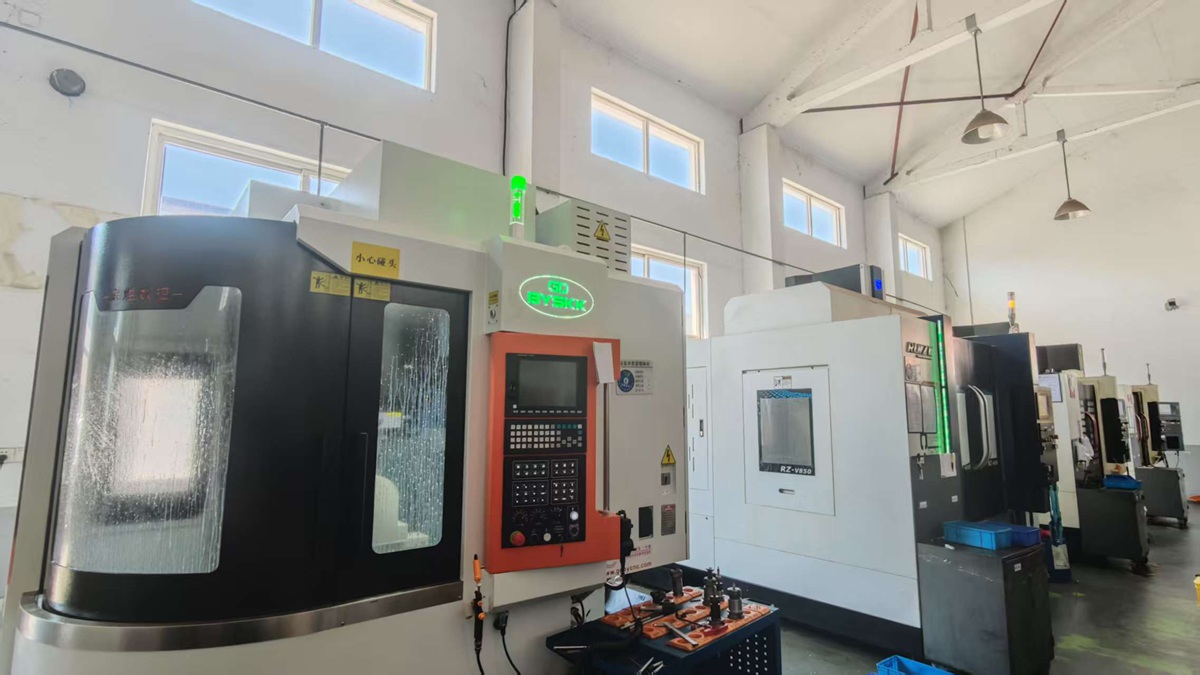
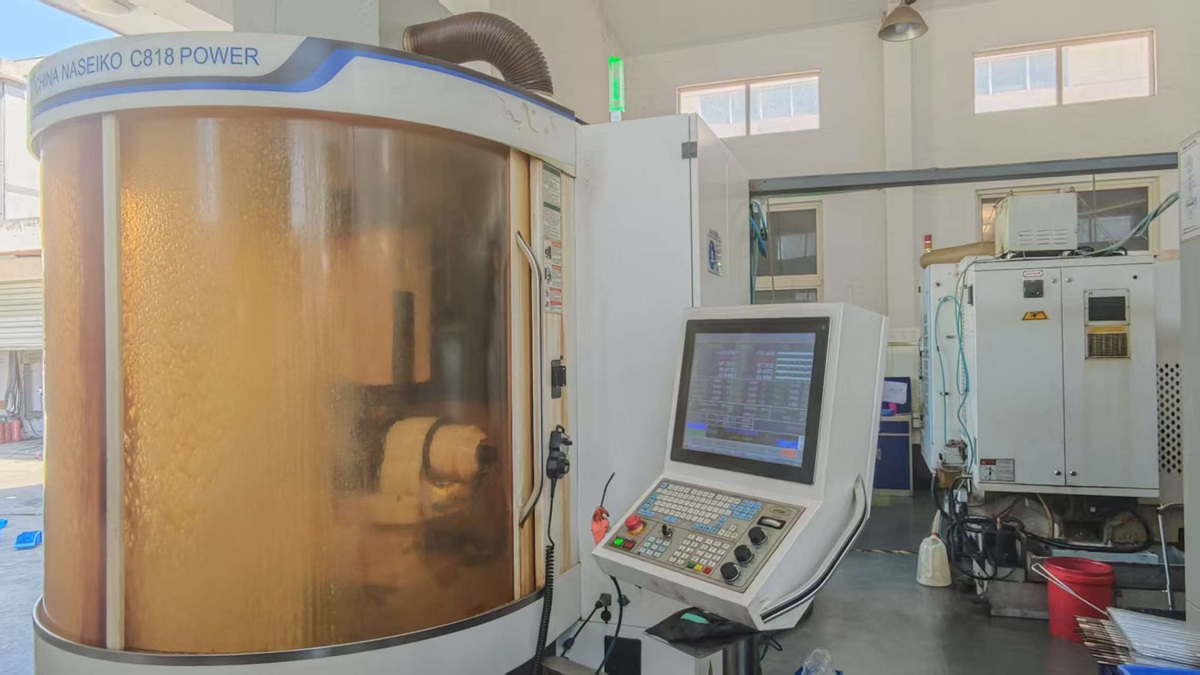
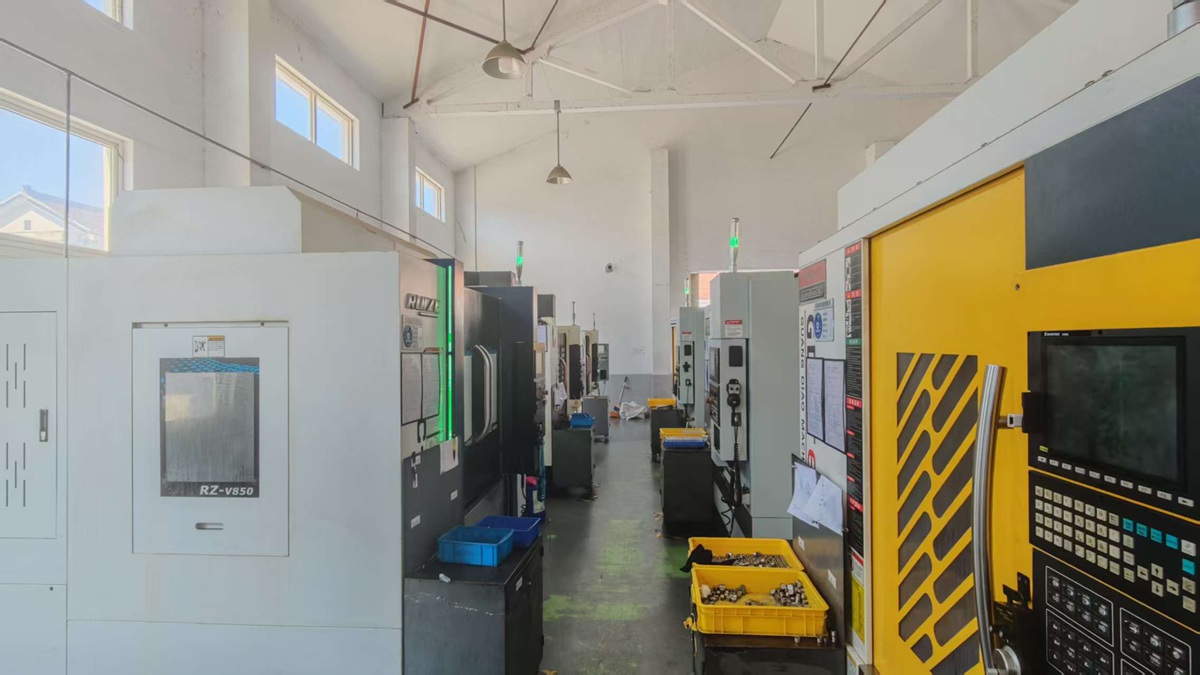
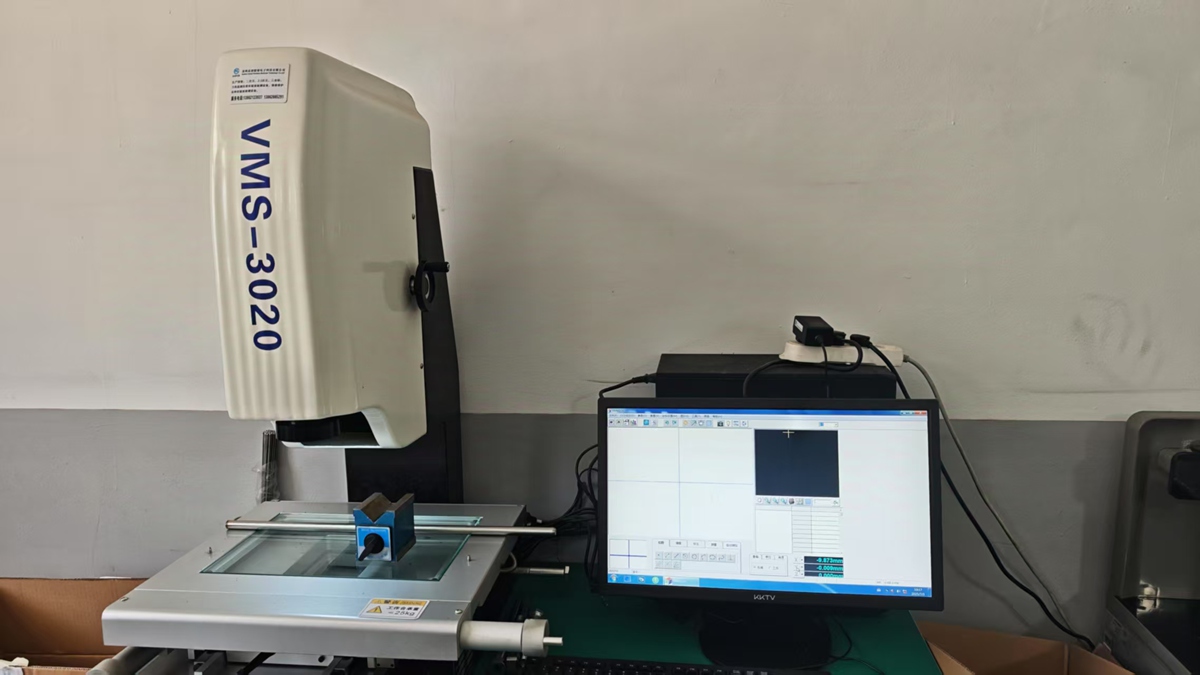
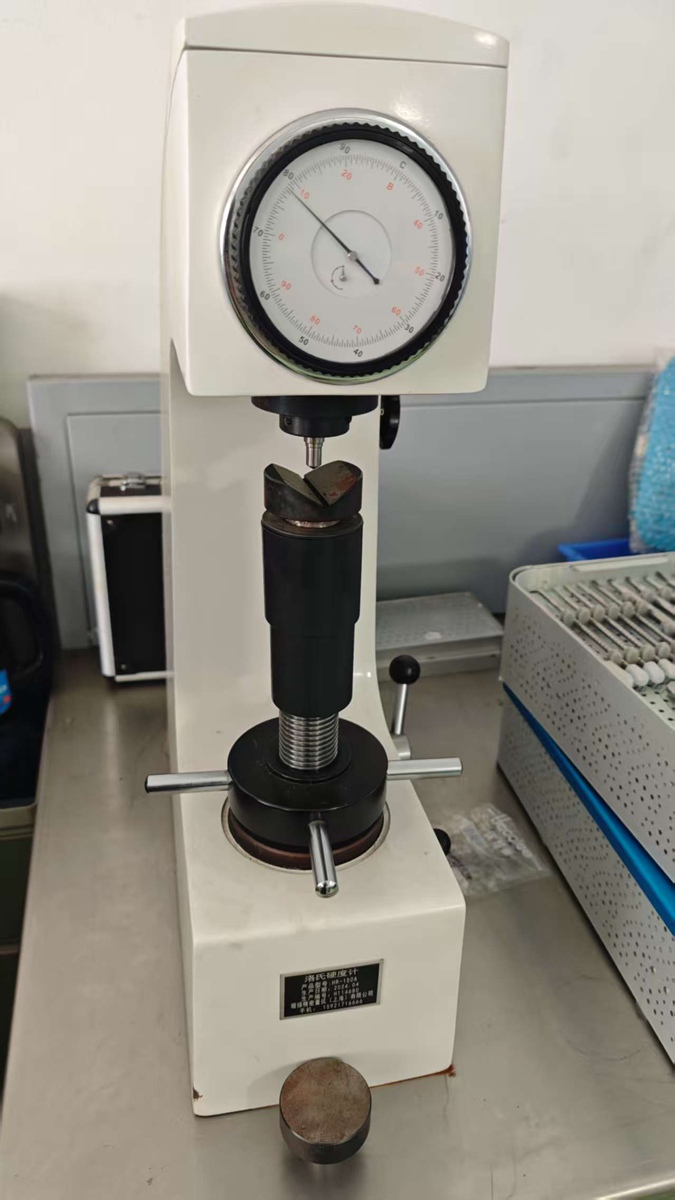
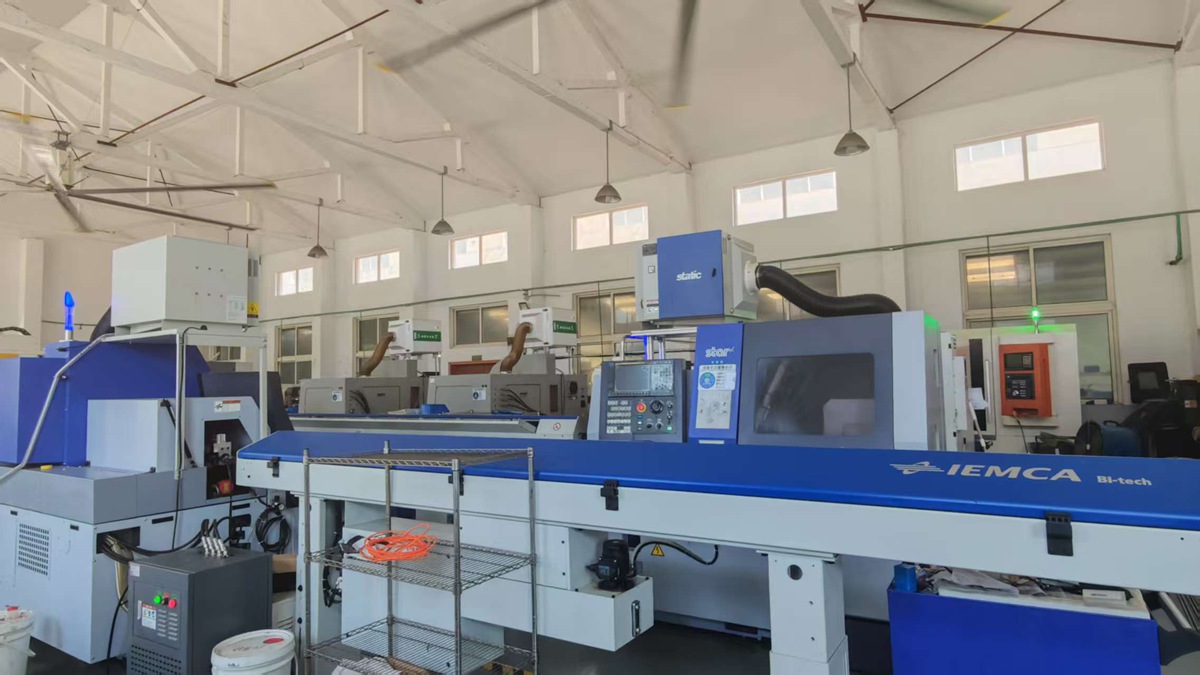
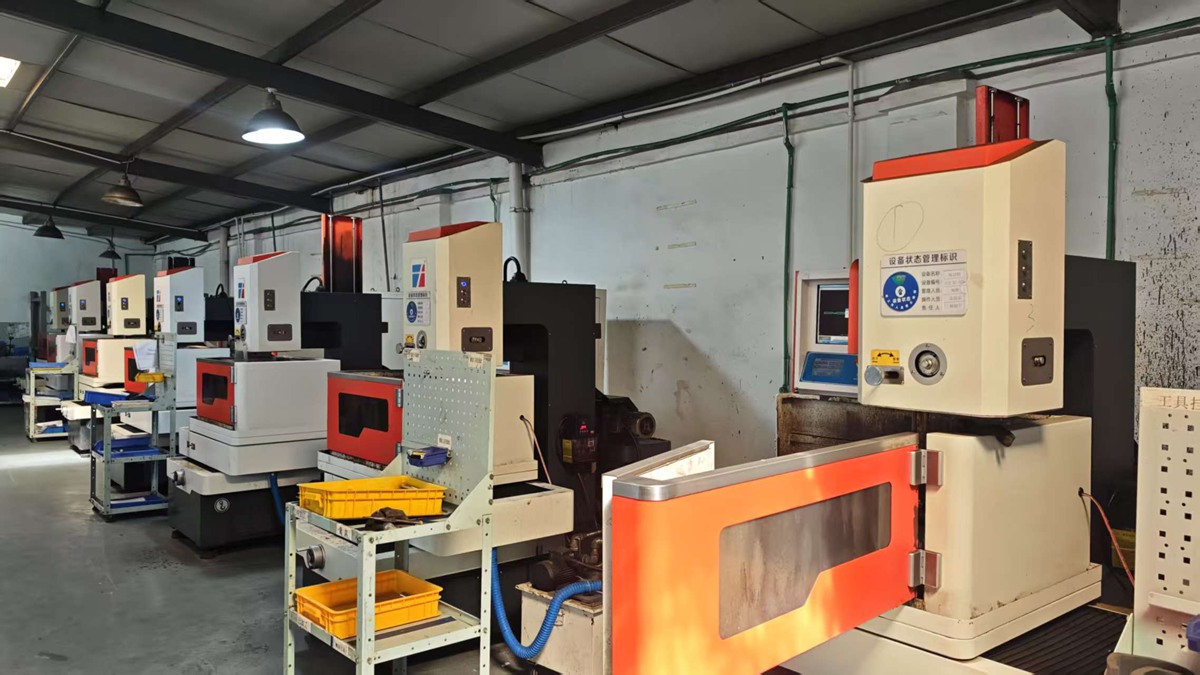
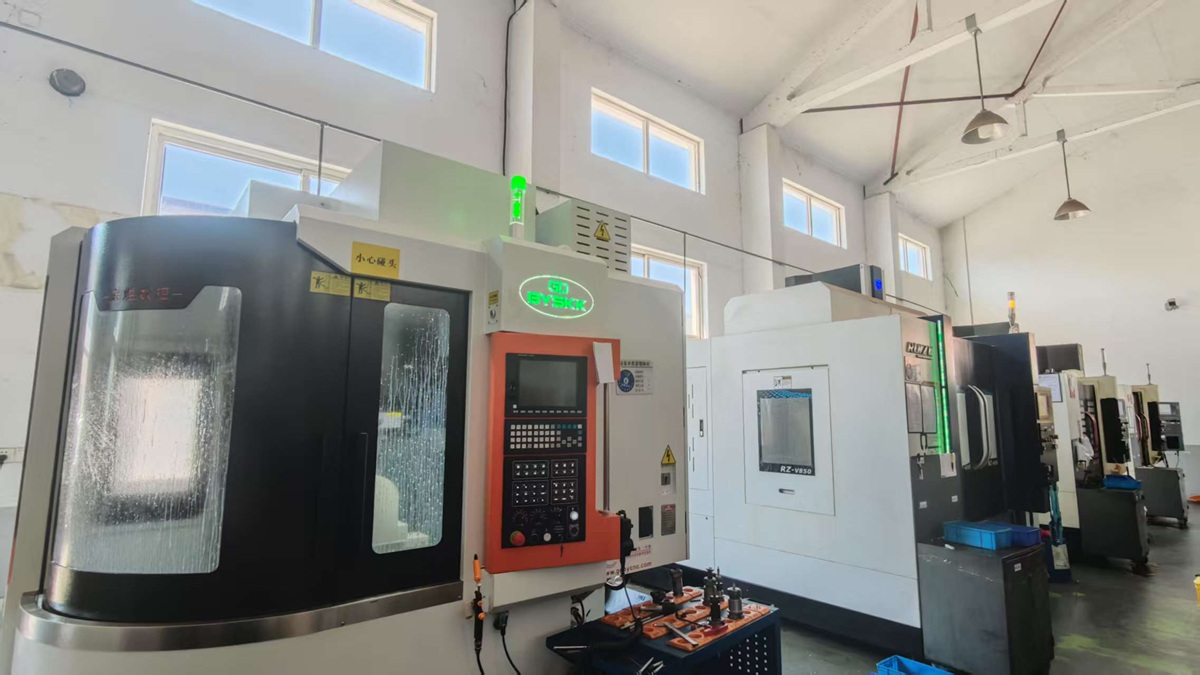
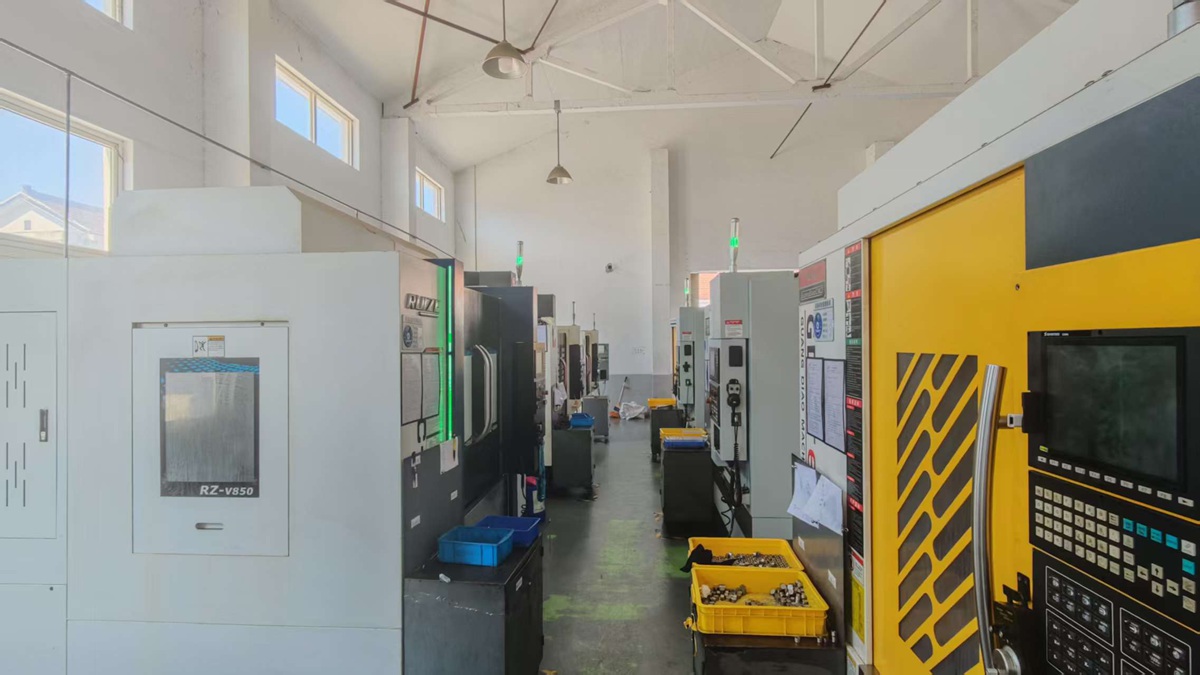
Control over raw-material selection, machining, finishing, inspection, and packaging reduces handoff risk and improves lead-time predictability for complex medical-device programs.
Process records, inspection data, equipment calibration, and batch traceability support audit readiness and corrective-action discipline across export orders.
Rapid sampling, tooling coordination, protective packaging, documentation control, and freight-ready planning help distributors and OEM buyers shorten time to market.
Supply-chain resilience matters most when demand is volatile. A Factory 4.0 approach helps manufacturers buffer critical materials, coordinate machining capacity, verify dimensional consistency, and maintain spare-parts inventories for installed equipment. For dialysis-machine programs, buyers should review supplier qualification plans, change-control procedures, sterilization or cleaning requirements where applicable, and contingency plans for electronic components and fluid-path parts.
Global buyers compare technical fit, regulatory readiness, service coverage, total cost of ownership, and supply reliability — not only unit price.
Specifications, treatment modes, water requirements, consumable compatibility, installation conditions, calibration intervals, and validation test reports.
ISO 13485 scope, ISO 9001, CE/FDA status where relevant, risk-management files, supplier controls, nonconformance handling, and traceability records.
Incoterms, HS codes, packing standards, lead time, buffer stock, warranty, payment terms, installation scope, and spare-parts shipping strategy.
Local service partners, biomedical training, remote diagnostics, preventive maintenance, software updates, complaint response, and end-of-life planning.
The original company information records customers from over 50 countries across the Middle East, Africa, South-east Asia, East Europe, Australia, North America, and South America. This export experience is useful because different regions impose different infrastructure realities: unstable power, variable water quality, high ambient temperature, multilingual staff, and limited engineering support. A strong exporter should adapt documentation, packaging, training, and service planning to those conditions rather than offering one generic configuration everywhere.
Information gain means providing evidence that is genuinely useful, specific, and difficult to copy from generic supplier pages. The following questions reveal whether a dialysis machine supplier can support long-term clinical operations.
These questions are particularly important for public tenders and multi-site hospital groups. When a supplier can answer with documented evidence, the buyer gains more than a quotation. The buyer gains a lifecycle plan for patient safety, clinical continuity, and budget control.
Use this page as a due-diligence checklist for manufacturer verification, regulatory review, local service planning, Factory 4.0 supply-chain assessment, and after-sales lifecycle evaluation.
Clear answers to common questions about dialysis machine manufacturing, export compliance, local support, and supplier verification.
A trusted supplier provides verifiable evidence: certificate scope, technical files, serial-number traceability, validated safety testing, spare-parts commitments, service records, and transparent communication. Trust comes from documentation and accountability, not from marketing language alone.
Buyers should evaluate hemodialysis and HDF platforms, CRRT systems for acute care, peritoneal dialysis cyclers, water-treatment systems, dialysate mixing, ultrafiltration control, blood-pump safety, alarms, cybersecurity, and compatibility with consumables. The correct choice depends on clinical setting, patient volume, infrastructure, and regulatory market.
Request the technical file index, ISO 13485 scope, CE or FDA evidence where applicable, IEC 60601 reports, ISO 14971 risk-management documentation, software validation evidence, labeling samples, UDI information, and local registration support. Verify that the exact model and configuration are covered.
Yes, but the commitment should be written into the agreement. Look for named service partners, preventive-maintenance schedules, calibration procedures, spare-parts lead times, remote diagnostics, biomedical training, and escalation paths. Service capacity should be assessed before the first shipment.
Factory 4.0 improves production visibility, dimensional consistency, equipment calibration, inventory planning, and traceability. For dialysis machines and related components, digital process control can reduce variability and support faster corrective actions when suppliers or specifications change.
The source content on this page describes an orthopedic implant and instrument manufacturer and exporter with ISO 9001, ISO 13485, CE certification, and broad export experience. This article does not claim dialysis-machine certification unless separately documented. Buyers should request a project-specific certificate scope and technical file before classifying any supplier as a dialysis-machine manufacturer.
Request company registration, quality certificates, device technical file, risk-management summary, test reports, labeling, user manuals, service manuals, spare-parts list, warranty terms, packaging specification, import/export documents, and previous export references. For tenders, request local regulatory support and a clear declaration of conformity.
Compare unit price with installation, water and energy consumption, consumables, calibration, maintenance, spare parts, training, downtime, software updates, and service response time. A lower purchase price can be misleading if the machine is difficult to service or requires expensive consumables over a ten-year lifecycle.
The remaining eight original product records are retained with their exact URLs and images. All product images are displayed completely, with aspect ratio preserved and button-style inquiry links.
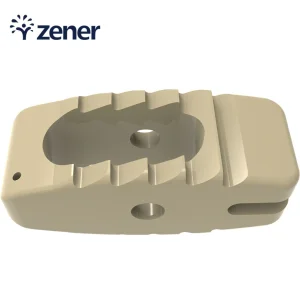
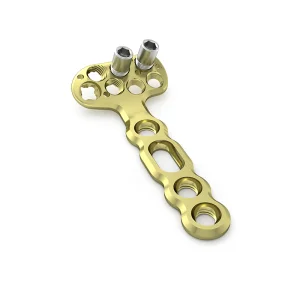
 DTRX Orthopedic Implants