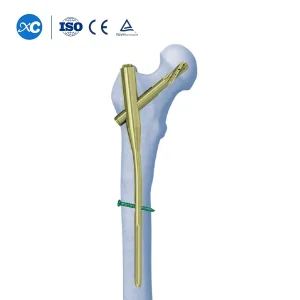
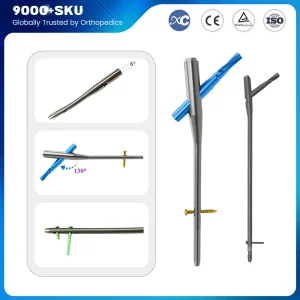
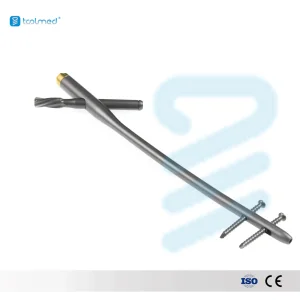
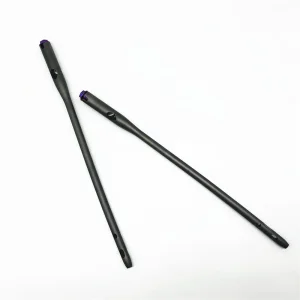
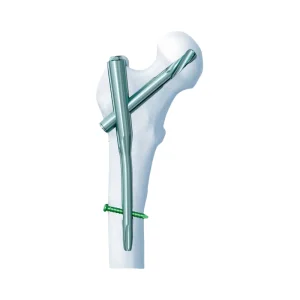
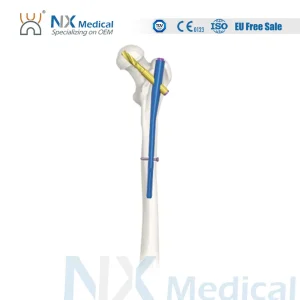
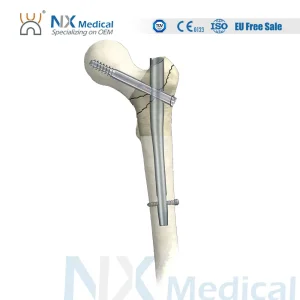
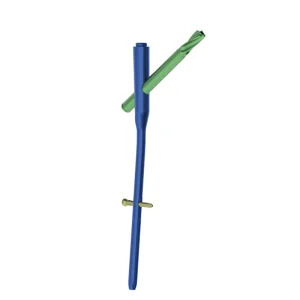
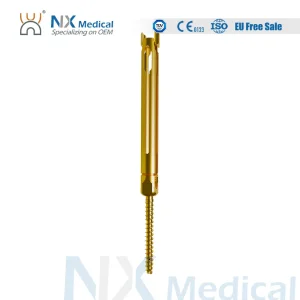
In the contemporary medical arena, the Proximal Femoral Nail Antirotation (PFNA) system has emerged as the gold standard for treating trochanteric fractures. As the global population ages, the incidence of hip fractures is projected to rise exponentially, particularly in developed regions like Europe, North America, and parts of East Asia. This demographic shift has catalyzed a massive demand for reliable, biocompatible, and high-performance intramedullary nailing systems.
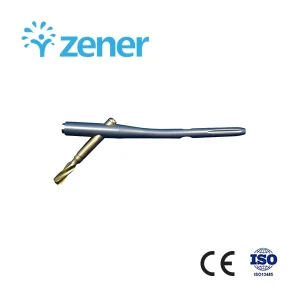
The PFNA system's design addresses the biomechanical challenges of osteoporotic bone. By utilizing a helical blade rather than a traditional screw, it achieves superior compaction of the bone, enhancing stability and reducing the risk of "cut-out"—a common complication in geriatric trauma surgery. Today, the global PFNA market is not just about the implants; it's about a comprehensive surgical ecosystem including precision instrumentation, robotic-assisted guidance, and localized clinical support.
The orthopedic industry is currently undergoing a digital and material revolution. Key trends shaping the future of PFNA systems include:
Procurement officers for multi-specialty hospitals and regional distributors face a complex set of requirements when selecting a China PFNA Systems Factory. Quality is non-negotiable, but efficiency and regulatory compliance are equally critical.
Standard Compliance
Countries Served
Available Services
Technical Support
In regions like Latin America and Southeast Asia, there is a burgeoning need for cost-effective trauma solutions that do not compromise on clinical outcomes. Meanwhile, in the Middle East, high-spec titanium implants with full instrumentation sets are the priority. As a leading manufacturer, we bridge these needs by offering scalable production that meets both high-volume public tenders and niche, high-end private hospital requirements.
PFNA systems are used in diverse clinical settings, ranging from high-traffic urban trauma centers to remote surgical units. Our products are engineered to adapt to these varied environments:
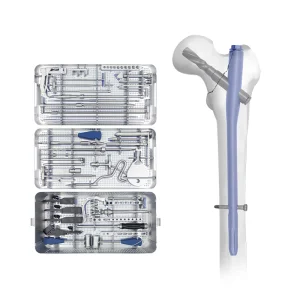
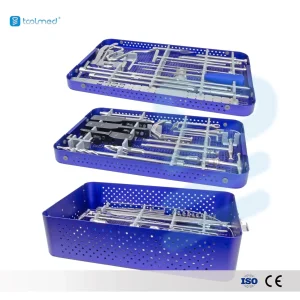
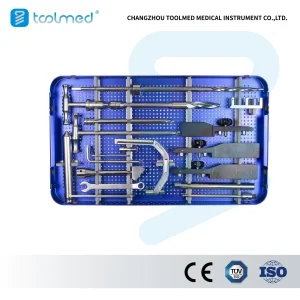
High-speed surgical workflows require PFNA sets that are intuitively organized and easy to resterilize. Our instrument sets are designed for rapid assembly and disassembly.
Focus on antirotation and bone preservation. The helical blade technology in our PFNA system is specifically optimized for patients with low bone mineral density.
For international distributors, our sterile and non-sterile packaging options ensure that products reach their destination in perfect condition, ready for clinical use.
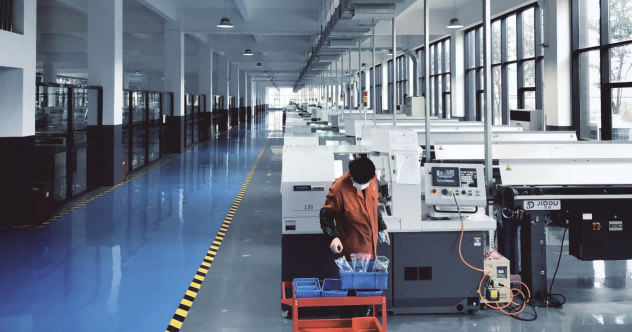
Welcome to Hangzhou DTRX Medical Technology Co., Ltd. Our company is specialized in developing production and sales of orthopedic implants and instruments. The factory covers a ground space of 32,068 square meters. Meanwhile we have a strong group of engineers and technicians. The company satisfies the customers' requirements with satisfied quality and favorable service, which is based on the advanced production & processing technology and the best testing equipment imported from Germany.
Employees
Plant Area
Patents
Certified
The main products are as followed: Spinal fixation system, interlocking intramedullary nails, metal bone plates, metal bone screws and related operation instruments. Enterprise has passed ISO 9001 and ISO 13485 system certification, products have passed the CE certification. We keep innovation and have full of passion to be better. We are looking forward to having business with you in near future! Believe in us, You will be better!
What sets a "Top PFNA Systems Factory" apart is the commitment to the micro-details. At Hangzhou DTRX Medical, our production process involves several critical stages that ensure every titanium nail meets surgical standards:
We source only the highest grade biocompatible titanium alloys. Every batch is tested for mechanical properties, including tensile strength and elongation, to ensure the PFNA can withstand the dynamic loads within the human femur.
Using multi-axis CNC centers, we achieve the complex geometry of the PFNA helical blade and the proximal nail aperture. This precision ensures that the interlocking mechanism is flawless, reducing "play" and enhancing fracture stability.
Our passivation processes remove any free iron from the surface of the titanium, enhancing its natural oxide layer. This increases corrosion resistance and ensures long-term safety within the patient's body.
From visual inspection under magnification to 100% thread testing on screws, our QC team leaves no room for error. We understand that in trauma surgery, there are no second chances.
As we look toward the 2030 horizon, our strategy is to deepen our partnerships with Ministry of Health (MoH) bodies and large private hospital chains worldwide. By providing reliable PFNA Systems, we help healthcare providers reduce post-operative complication rates and shorten hospital stays, which is a major economic driver in modern healthcare management.
Our R&D team is constantly iterating based on feedback from surgeons in Australia, North America, and beyond. Whether it's adjusting the distal locking mechanism for easier insertion or developing carbon-fiber instrumentation to improve visibility under X-ray, we are at the forefront of orthopedic innovation.
 DTRX Orthopedic Implants