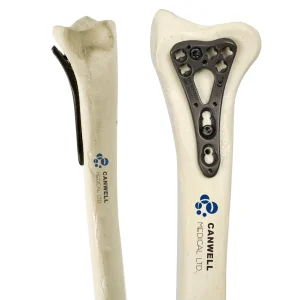
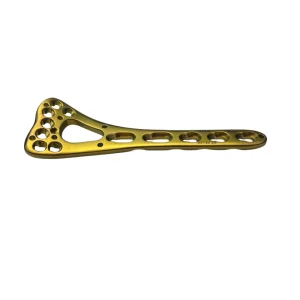
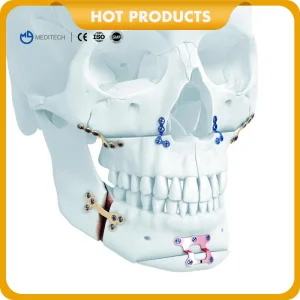
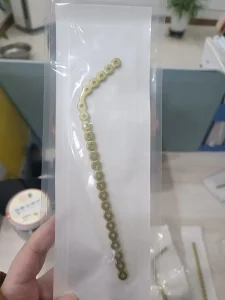
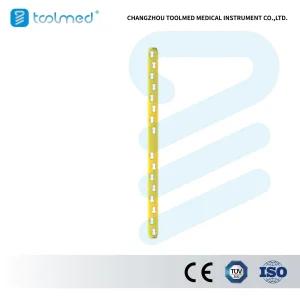
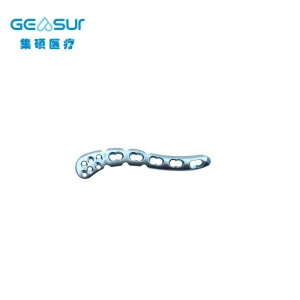
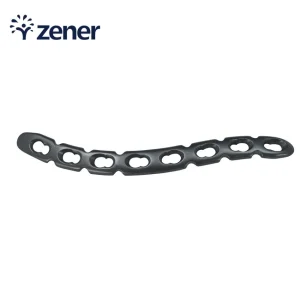
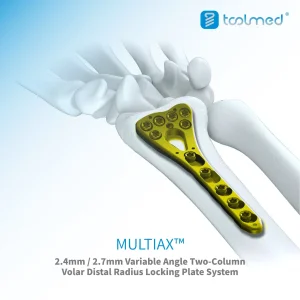
In the modern era of orthopedic surgery, the T-Shape Locking Plate has emerged as a gold standard for treating complex metaphyseal fractures. Globally, the medical device market is witnessing a seismic shift toward internal fixation systems that offer both stability and biological healing. From the bustling trauma centers of New York to the specialized orthopedic clinics in Berlin, T-shape plates are indispensable for distal radius fractures, proximal humerus injuries, and tibial plateau reconstruction.
As the global population ages, the incidence of osteoporotic fractures continues to rise, driving an unprecedented demand for locking technology. Unlike traditional plates, the T-shape locking system provides a fixed-angle construct, which is crucial in poor-quality bone where traditional screws might fail. This industrial demand has spurred a global race for innovation, leading to the development of variable-angle locking mechanisms and anatomically pre-contoured designs that minimize the need for intraoperative bending.
The orthopedic plate market is projected to grow significantly as emerging economies in Asia and Latin America upgrade their healthcare infrastructure.
Transition from stainless steel to high-grade Titanium alloys (Ti6Al4V) for better biocompatibility and MRI compatibility.
Increased reliance on anatomically shaped T-plates to reduce surgical time and improve patient outcomes in trauma cases.
The orthopedic industry is currently undergoing a "Digital Orthopedics" revolution. Future trends for T-Shape Locking Plates include the integration of 3D printing for patient-specific implants and the use of bio-absorbable materials. However, the core focus remains on minimally invasive surgery (MIS). Modern T-plates are designed with low-profile edges to prevent soft tissue irritation, a common complication in distal fixation.
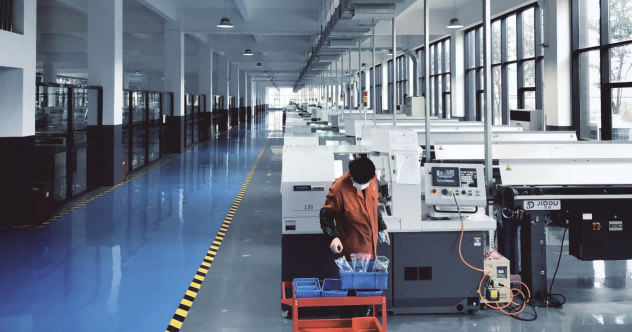
Another major trend is the "Variable Angle" locking capability. Surgeons now demand the flexibility to direct screws into specific fragments of a fracture while still maintaining the stability of a locking construct. China's top factories, like Hangzhou DTRX Medical, are at the forefront of this trend, utilizing advanced CNC machining and German testing equipment to ensure that every screw hole meets sub-micron tolerances.
For international procurement officers and medical distributors, sourcing from a reliable China T-Shape Locking Plate factory is no longer just about cost—it's about the balance of quality, certification, and supply chain resilience. Global buyers from the Middle East, Europe, and the Americas look for ISO 13485 and CE certifications as non-negotiable benchmarks for safety.
Localized application scenarios vary:
Welcome to Hangzhou DTRX Medical Technology Co., Ltd. Our company is specialized in developing production and sales of orthopedic implants and instruments. The factory covers a ground space of 32,068 square meters. Meanwhile, we have a strong group of engineers and technicians. The company satisfies the customers' requirements with satisfied quality and favorable service, which is based on the advanced production & processing technology and the best testing equipment imported from Germany.
Our facility spans 32,068m² with a dedicated 4500m² plant area, utilizing German-imported testing gear for zero-defect quality control.
Fully compliant with ISO 9001 and ISO 13485. Our products carry the CE mark, opening doors to the world's most regulated markets.
Supporting diverse surgical needs through self-produced and self-sold models, with full support for custom orthopedic designs.
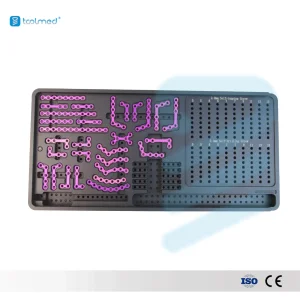
Our main products include: Spinal fixation systems, interlocking intramedullary nails, metal bone plates, metal bone screws, and related operation instruments. We do business with customers from over 50 countries from Middle East, Africa, South-east Asia, East Europe, Australia, North America, South America. Hangzhou DTRX remains committed to the idea of "Care First," focusing on innovation and service perfection.
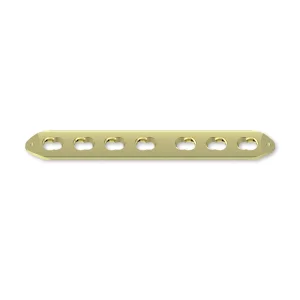
 DTRX Orthopedic Implants