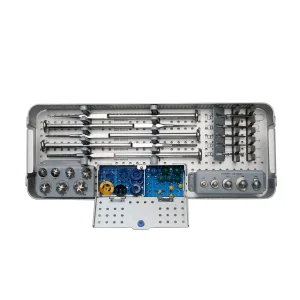
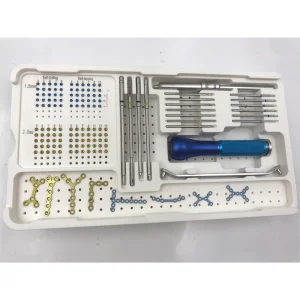
Explore our premium clinical hardware engineered with biological compatibility, supreme mechanical properties, and structural stability.
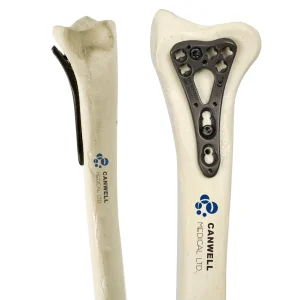
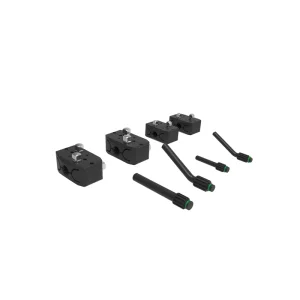
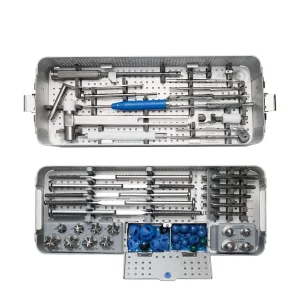
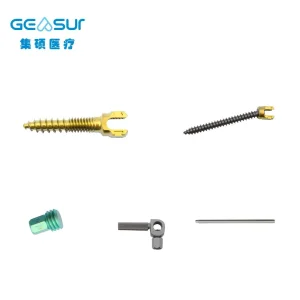
Welcome to Hangzhou DTRX Medical Technology Co., Ltd. Our company is specialized in developing production and sales of orthopedic implants and instruments. As a dominant industry figure, our factory covers a ground space of 32,068 square meters. Meanwhile, we have a strong group of engineers and technicians dedicated to pushing the boundaries of regenerative medical engineering.
By leveraging advanced production and processing technologies alongside state-of-the-art testing equipment imported directly from Germany, Hangzhou DTRX Medical Technology Co., Ltd. satisfies the most stringent customer requirements. We deliver unparalleled quality, exceptional clinical reliability, and favorable services designed to elevate global surgeon confidence and optimize patient rehabilitation pathways.
Our operation is proudly built upon over 20 years of rich experience in the production of orthopedic implants. Being self-produced and self-sold, we support comprehensive customization (OEM/ODM) to address specific biomechanical profiles and localized surgical preferences across different healthcare regions.
An in-depth whitepaper analysis of commercial demand, clinical efficacy, and biomaterial development trajectories.
Historically, autologous bone grafting represented the gold standard. However, donor-site morbidity and limited availability have pushed the industry towards synthetic alternatives. Modern bioceramics, such as Hydroxyapatite (HA) and Beta-Tricalcium Phosphate (β-TCP), mimic the natural mineral phase of human bone. They offer predefined osteoconductive scaffolds that slowly resorb as endogenous bone remodeling takes place, offering a safer, scalable alternative for surgeons globally.
Next-generation bone grafts focus on the synergy between structural scaffolding and biological signaling. By combining porous mineral matrixes with osteoinductive proteins or advanced composite polymers (like PEEK and carbon fiber), manufacturers are achieving rapid fusion rates. These smart composites reduce healing time and provide immediate primary mechanical stability in high-stress clinical locations, such as spinal fusions and major segmental defects.
As healthcare costs rise, hospitals require high-performance biomaterials and instruments at competitive price points. China's orthopedics manufacturing sector has advanced from basic processing to high-end engineering. Certified under strict ISO 13485 and CE standards, suppliers like Hangzhou DTRX Medical leverage vertically integrated manufacturing facilities to lower costs while meeting or exceeding European and American performance metrics.
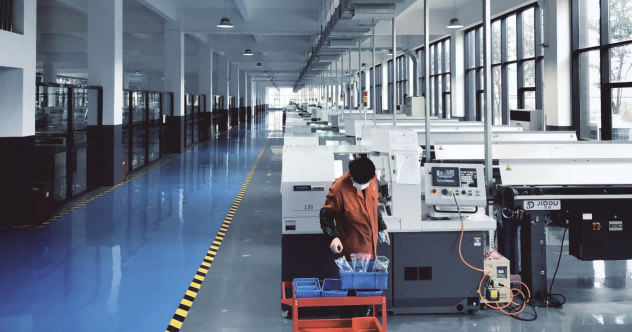
A look inside our ISO 13485-certified facilities utilizing advanced manufacturing technology and German inspection instruments.
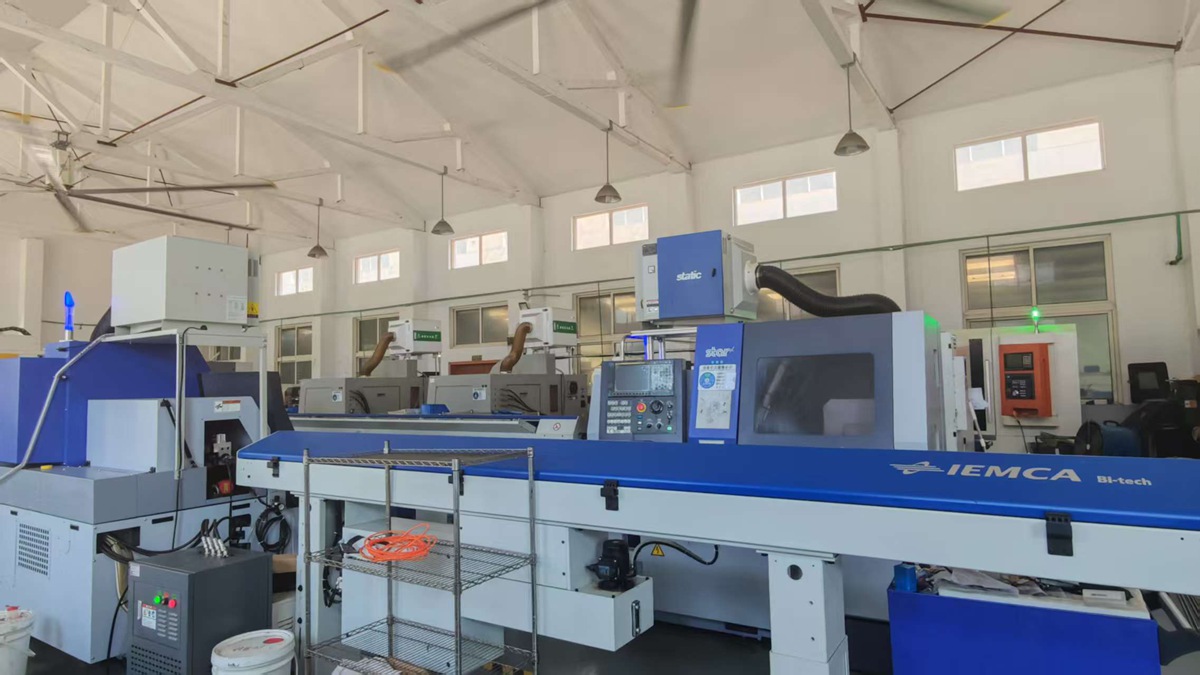
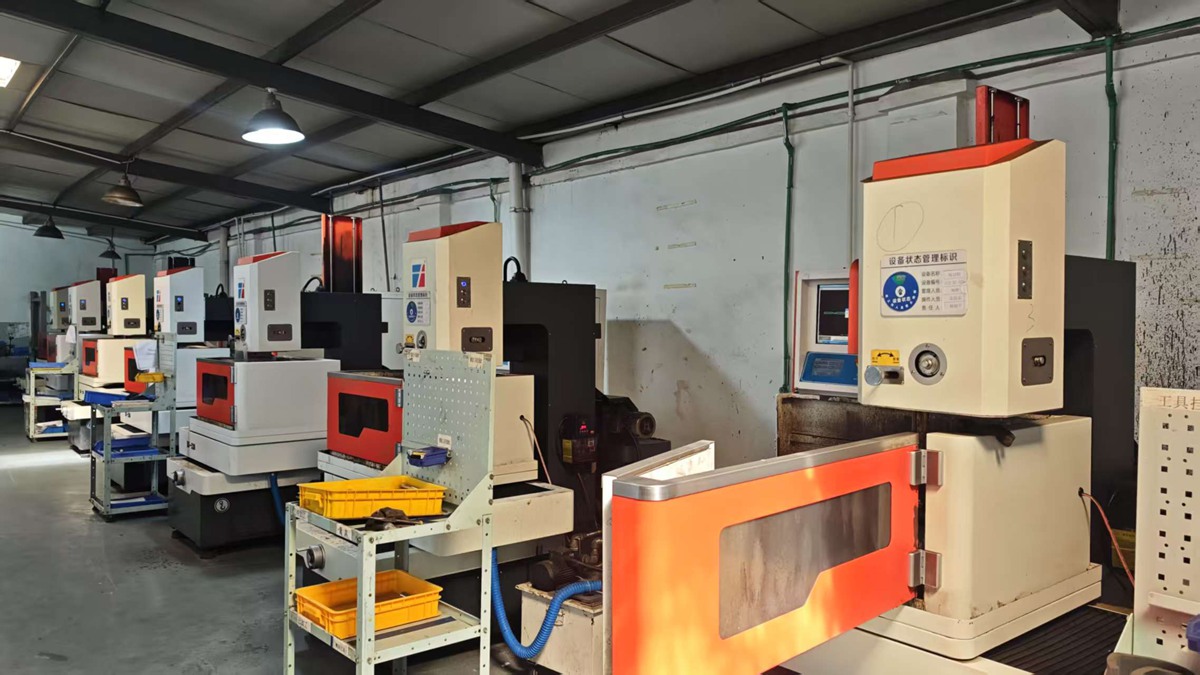
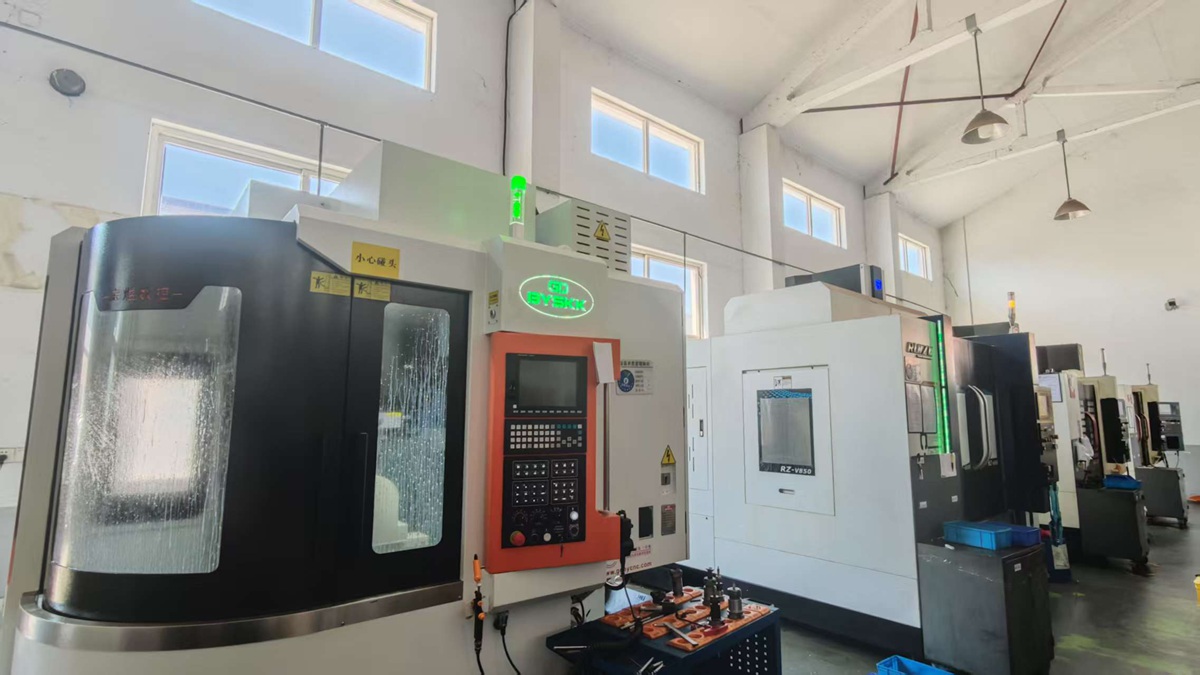
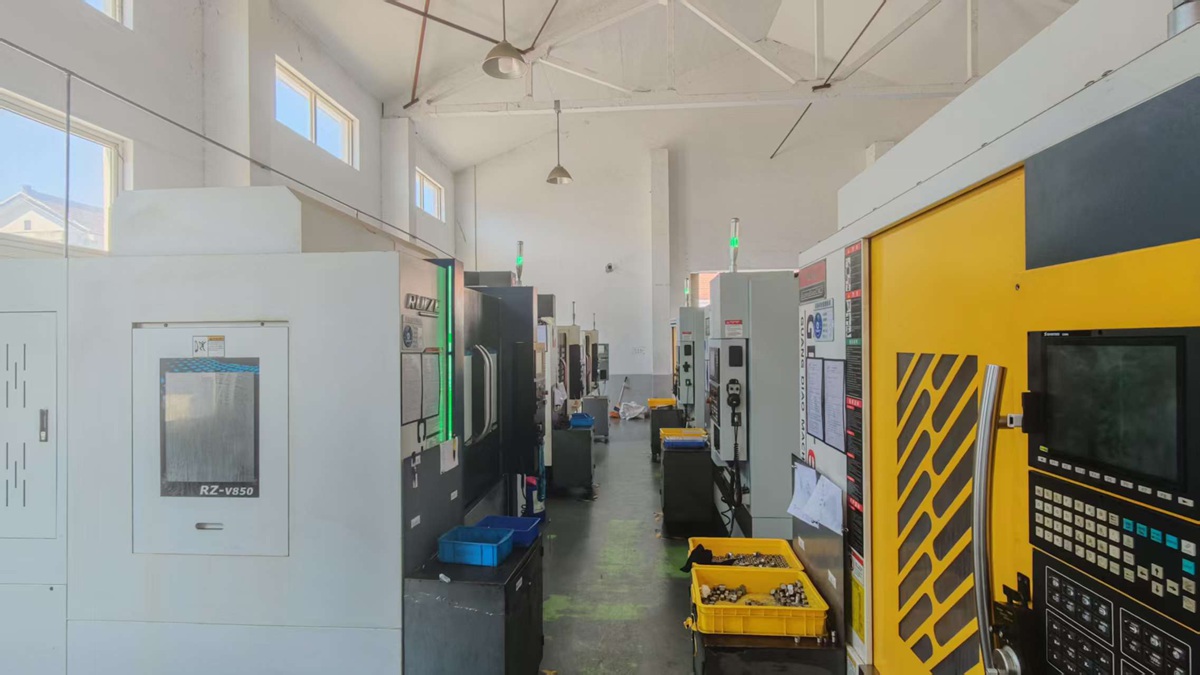
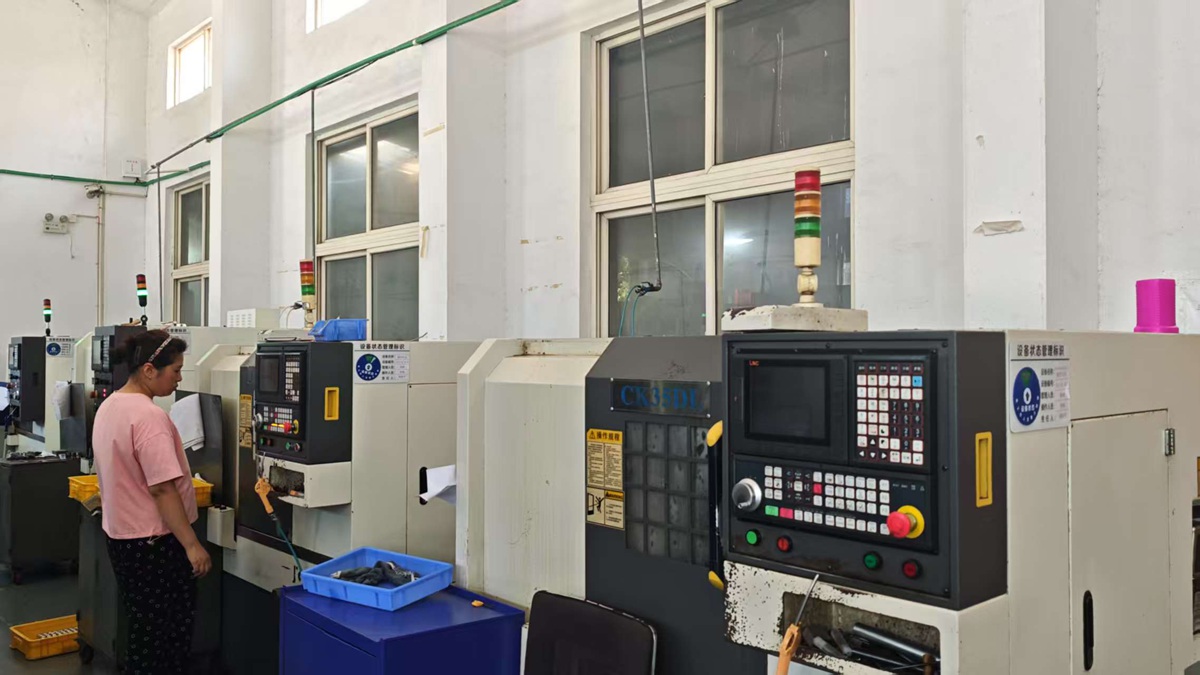
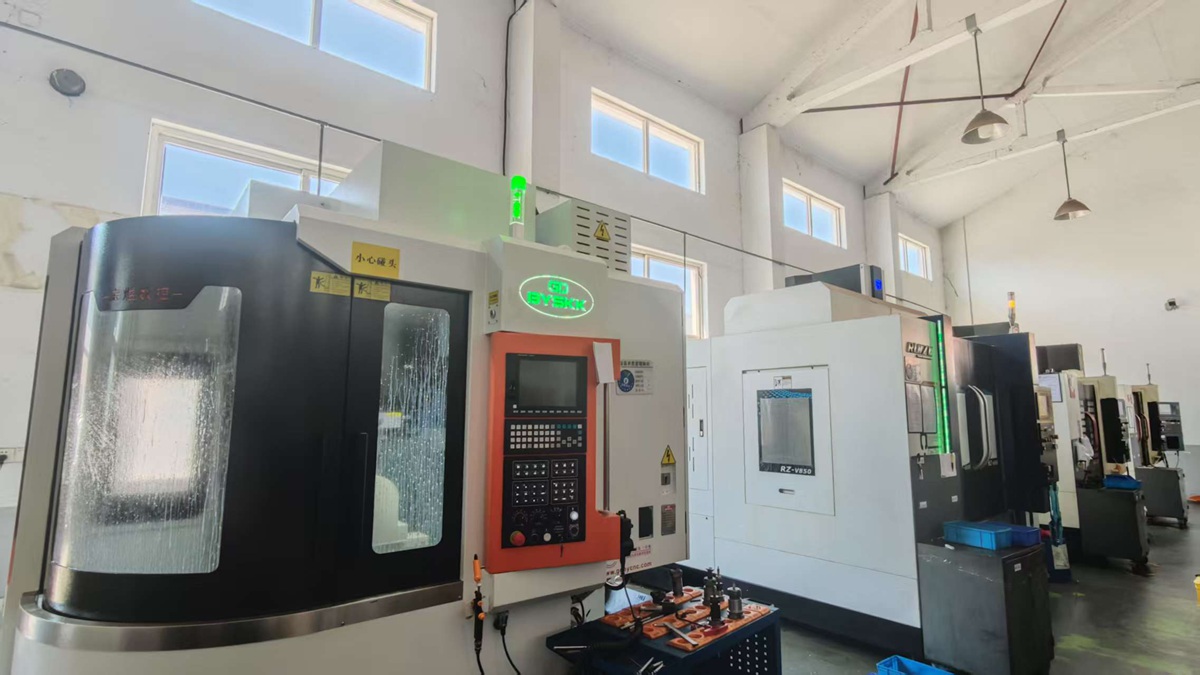
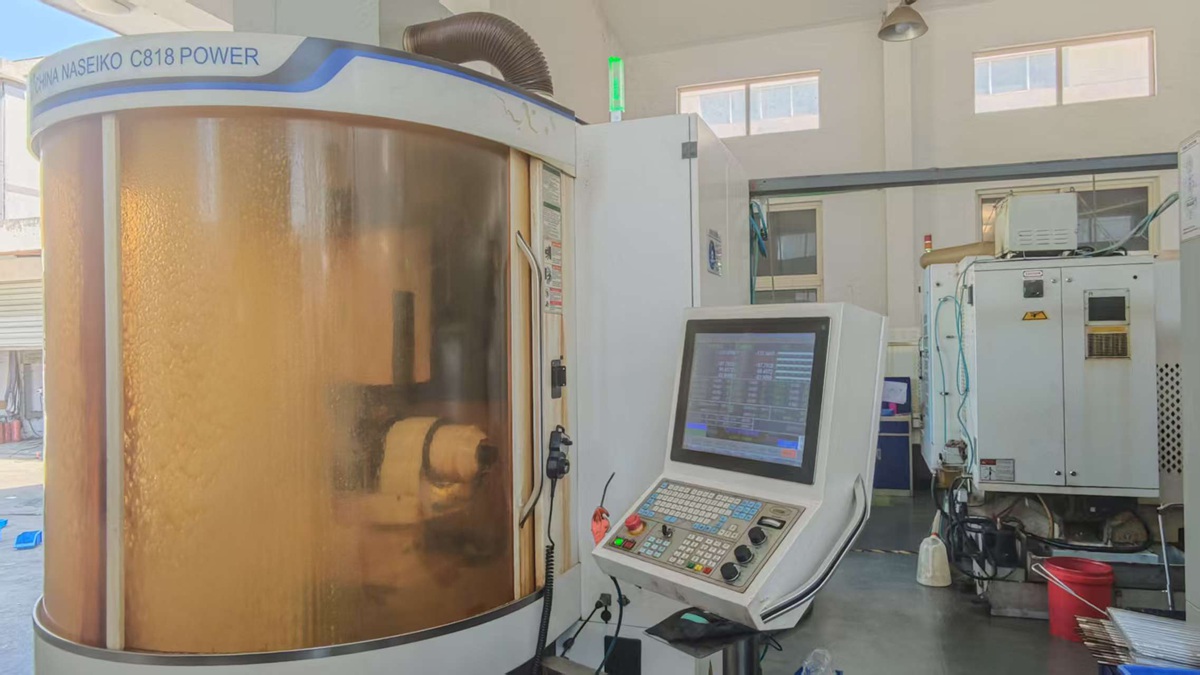
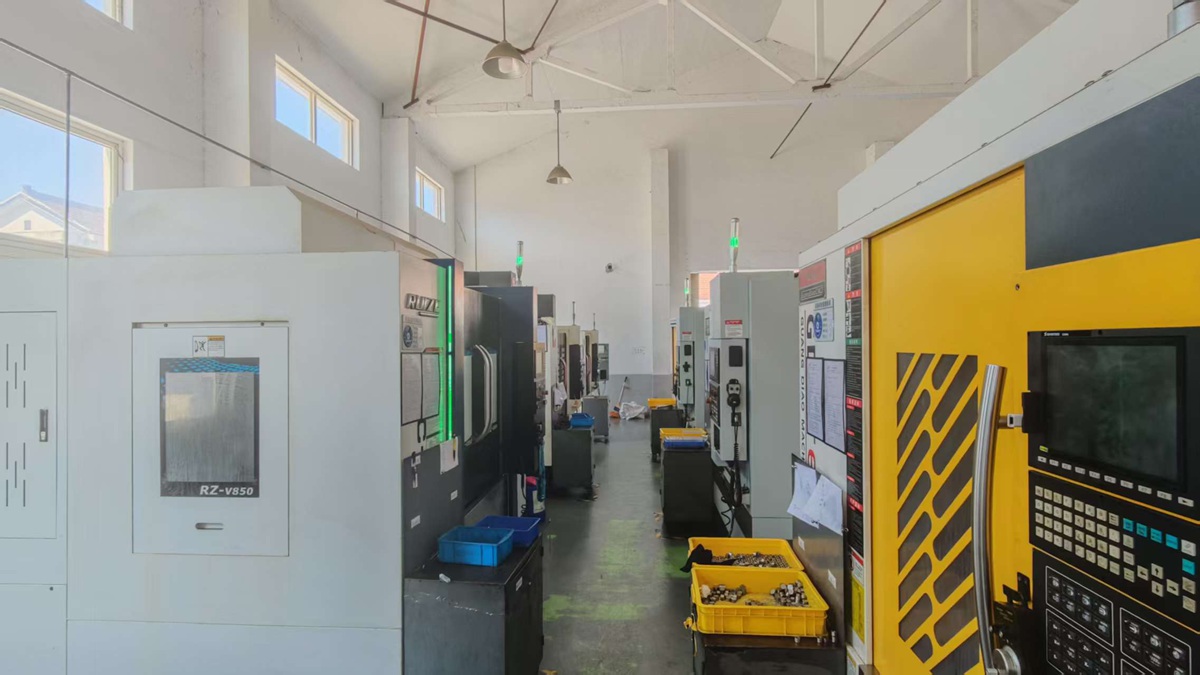
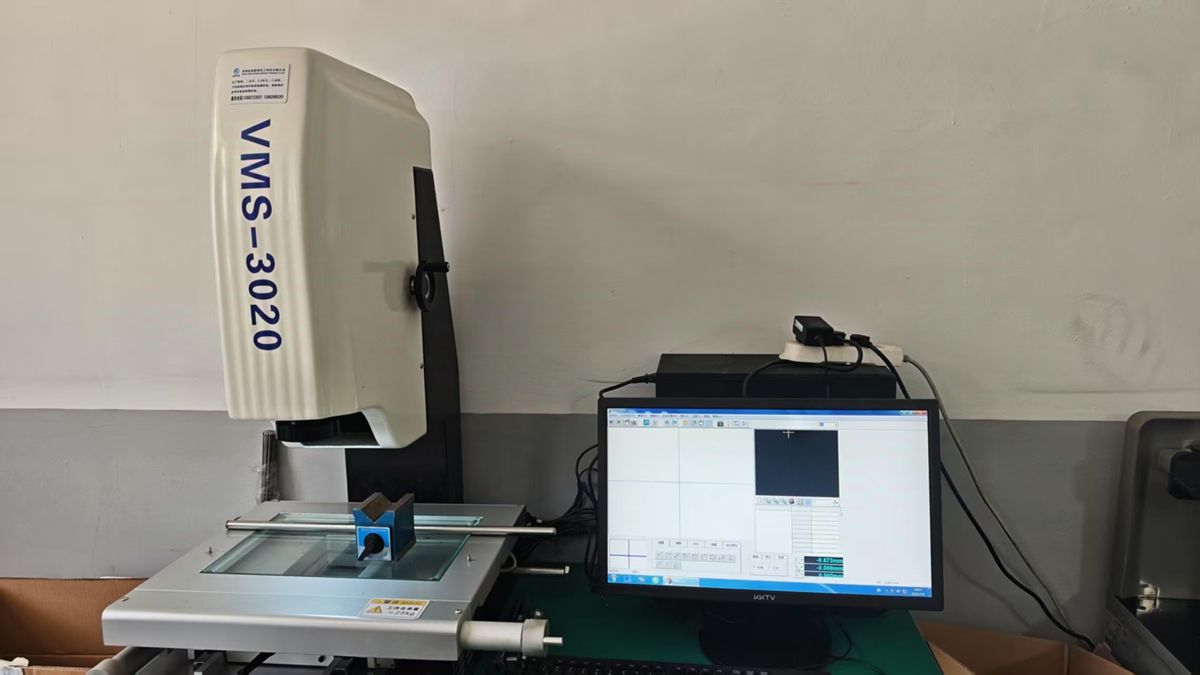
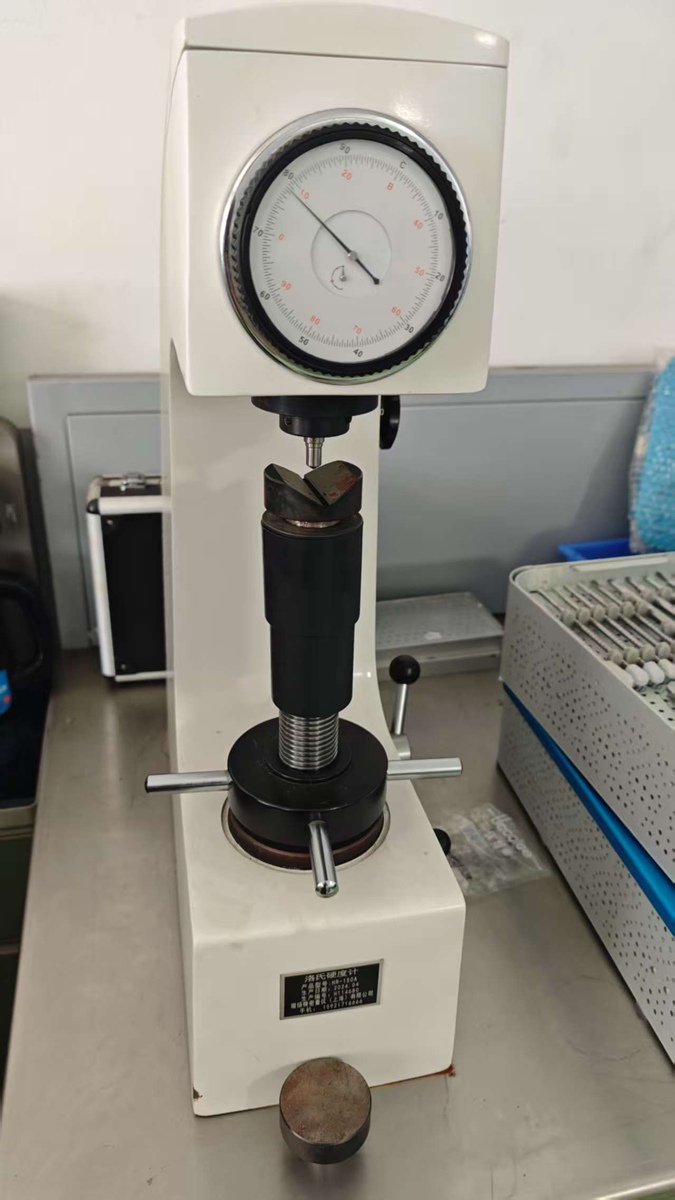
In addition to our key manufacturing processes, we deploy high-performance technologies including Electromagnetic Gas Polishing and automated CNC Lathe operations to guarantee surface roughness specifications below 0.2 microns, ensuring biocompatibility and optimal tissue adhesion.
Adapting advanced biomaterial technology to specific surgical fields and local healthcare demographics.
With the rise of veterinary surgery, specialized small animal joint reconstructions have become increasingly common. Bone grafting is critical for managing non-union fractures in domestic canines. Our orthopedic veterinary joint replacement system provides customized titanium implant interfaces and bioactive filler options, designed for small-dog hip prostheses. This ensures rapid integration with canine femoral structures, reducing post-operative complications and restoring full mobility.
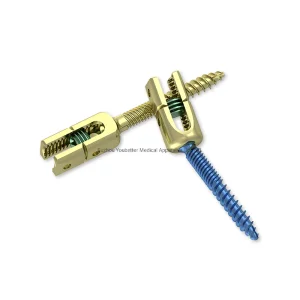
For spinal stenosis, degenerative disc disease, and major osteoporotic trauma, fusion stability is vital. Our posterior spinal internal fixation 5.5 system utilizes variable-angle pedicle screws coupled with osteoconductive bone graft matrices. This provides immediate mechanical load-bearing capability while initiating natural fusion across the spinal columns. The titanium construction matches the required modulus of elasticity, preventing stress shielding and long-term implant failure.
Maxillofacial surgeries demand precise anatomical fits and high aesthetic performance. Utilizing custom-machined PEEK plates, titanium mesh, and granular bone grafts, surgeons can rebuild complex facial structures following severe trauma or oncological resections. Our ISO 13485-certified maxillofacial instrumentation kits allow for micro-contouring of structural materials, ensuring clean, patient-specific alignments and predictable osteo-integration.
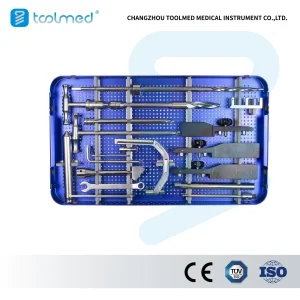
Failed primary hip or knee arthroplasties often leave behind significant cavitary and segmental bone loss. Resolving these challenges requires structural bone graft substitutes that mimic trabecular structures. Using specialized instruments for knee and hip replacements alongside structural titanium sleeves and osteoconductive materials, surgeons can fill massive acetabular or femoral defects, providing a stable foundation for revision prosthetics.
Driving the future of bone graft substitutes, implants, and surgical navigation tools through R&D.
Developing high-resolution 3D printed bioceramic scaffolds with customized pore geometry to match patient-specific CT data. This allows for controlled vascular infiltration and faster osteogenesis.
Integrating carbon-fiber reinforced PEEK matrices with active biomaterials to achieve modulus values nearly identical to human cortical bone, reducing stress shielding to a minimum.
Incorporating synthetic peptide molecules directly within osteoconductive matrices to trigger natural bone growth factors without the complications associated with high-dose BMP therapies.
Advancing bio-resorbable locking plates and compression screws that securely hold bone structures during initial healing, then safely dissolve inside the body, removing the need for a second surgery.
Addressing the top technical, regulatory, and logistics queries from global distributors and clinical procurement teams.
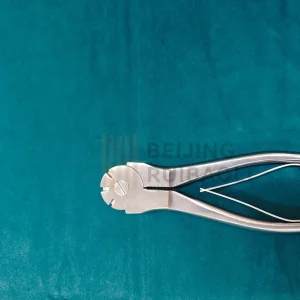
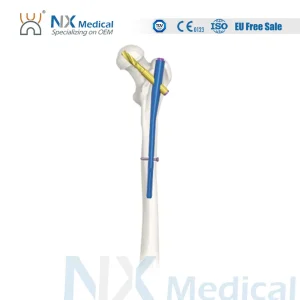
Review our complete surgical support systems, engineered for joint replacements, fracture fixations, and soft tissue reconstructions.
 DTRX Orthopedic Implants