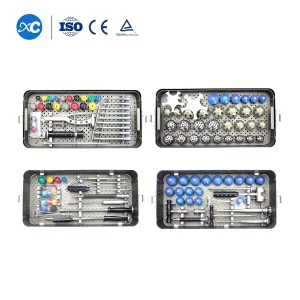
Explore our primary portfolio of international standard joint replacement instruments, fracture fixation modules, and surgical sets engineered for seamless clinical workflow.
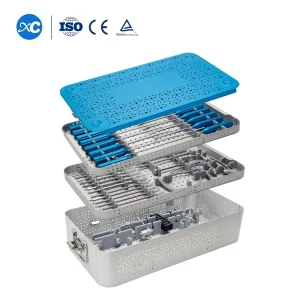
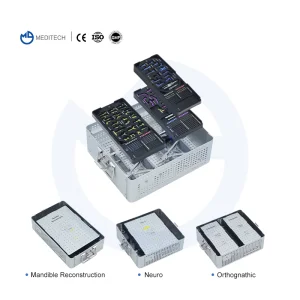
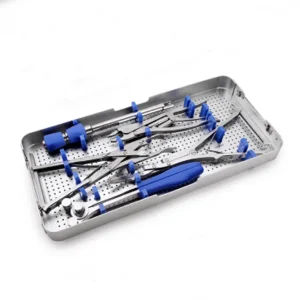
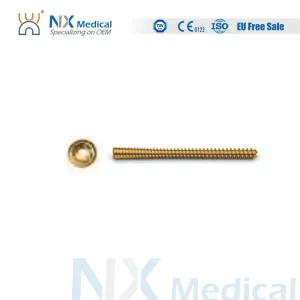
The global medical landscape is witnessing a structural transition from permanent metallic fixation devices to advanced bioresorbable orthopedic implants. Historically, titanium and stainless steel were the gold standards due to their mechanical load-bearing capacity. However, these permanent implants pose long-term clinical challenges, including mechanical mismatch leading to stress shielding, local tissue inflammation, metal ion release, and the frequent requirement for secondary surgical removal procedures.
Bioresorbable materials, principally synthetic polymers such as Poly-L-lactic acid (PLLA), Poly-D,L-lactic acid (PDLLA), Poly-glycolic acid (PGA), and their co-polymers (PLGA), degrade via bulk hydrolysis into non-toxic metabolites (primarily lactic and glycolic acid), which are subsequently cleared through the Krebs cycle. This allows the implant to gradually transfer physical loads to the healing bone structure, encouraging natural tissue remodeling and eliminating secondary surgeries.
As a prominent developer and exporter, Hangzhou DTRX Medical Technology Co., Ltd. (operating with the core ethos of "Youbetter" to ensure medical outcomes are consistently enhanced) is at the vanguard of this material science revolution, providing CE-certified implants and precision instrument sets designed for trauma, spine, craniomaxillofacial, and sports medicine applications.
Medical device distributors, purchasing consortia, and hospital networks in over 50 countries face strict regulatory hurdles and supply chain pressures. Procuring bioresorbable implants requires a deep understanding of several critical operational metrics.
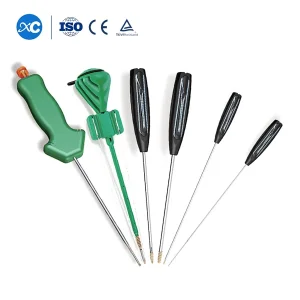
Integrating bioresorbable implants requires a holistic system solution that includes not only the implant itself but also the customized instrumentation required for implantation. Hangzhou DTRX Medical Technology Co., Ltd. addresses these requirements with targeted macroscopic system integrations:
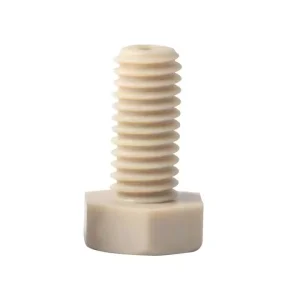
In ACL/PCL reconstruction, our bioresorbable interference screws provide rigid fixation within the tibial and femoral tunnels. The osteoconductive properties of advanced PLA/TCP (Tricalcium Phosphate) composite formulations support early bone ingrowth, reducing the incidence of tunnel widening and ensuring stable graft healing.
Bioresorbable pins and compression screws are critical for pediatric patients. Traditional metal implants disrupt epiphyseal plate growth, requiring removal surgeries. Resorbable fixation eliminates this clinical burden, degrading naturally as the child's skeletal structure matures.
Low-profile bioresorbable plates and screws provide temporary stabilization of the cranial and facial skeleton. They maintain sufficient mechanical stability during the critical healing phase, then resorb completely to prevent long-term implant migration or transcranial translocation.
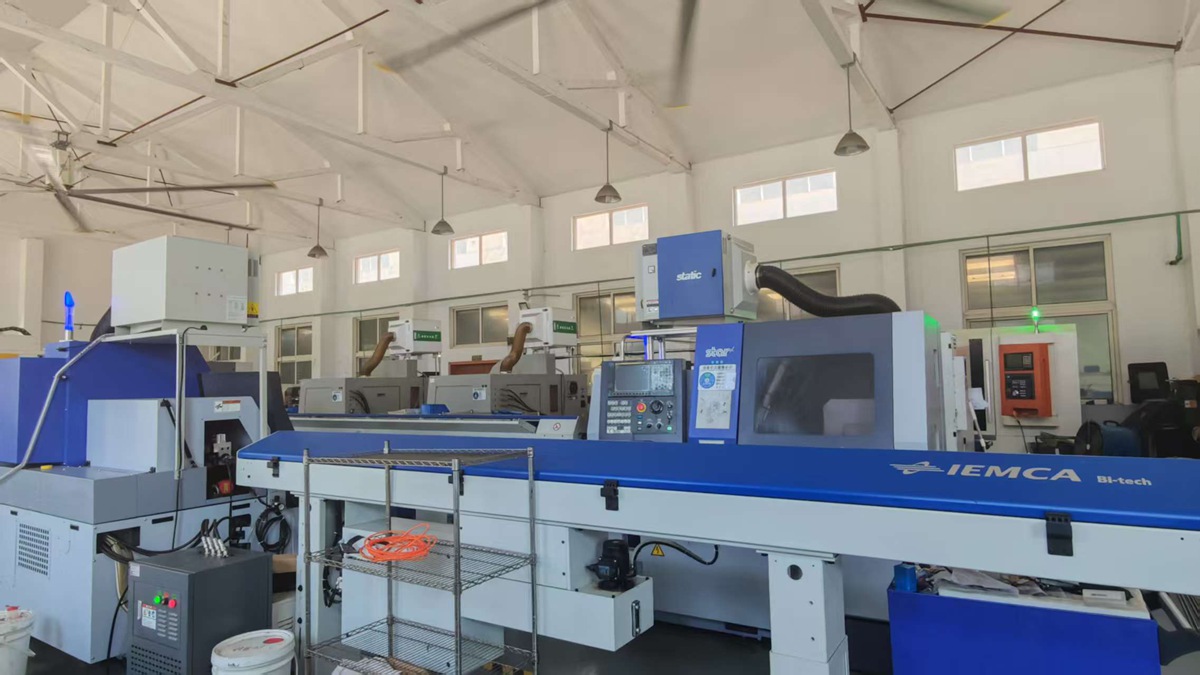
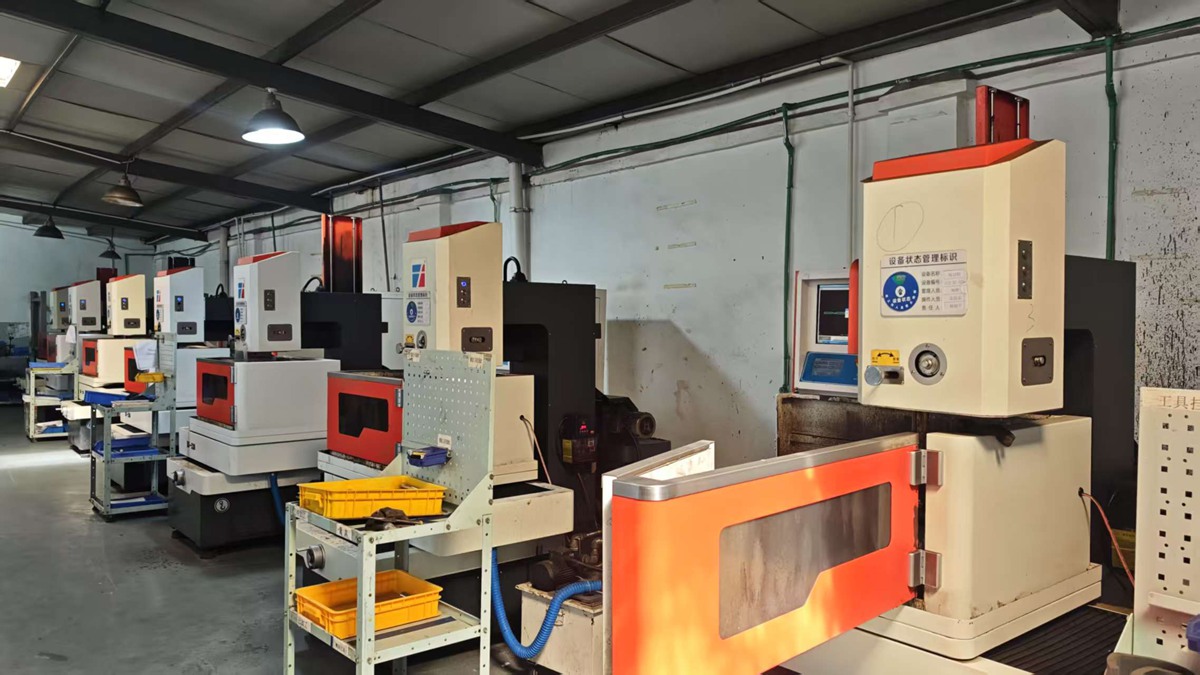
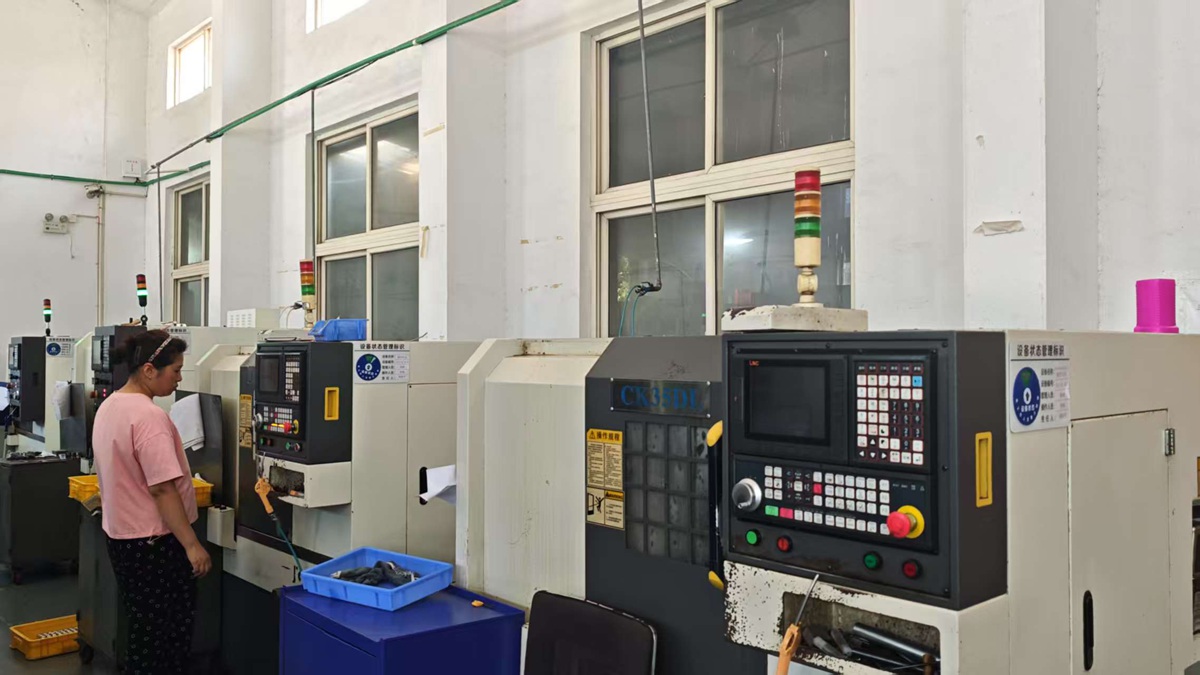
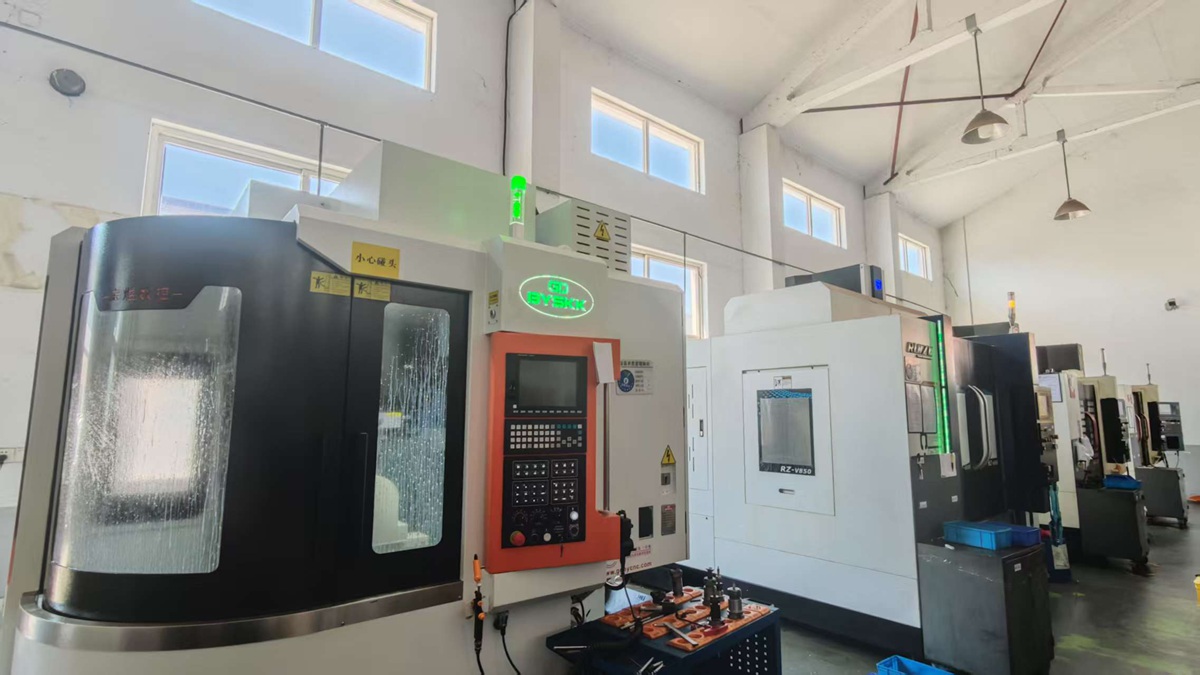
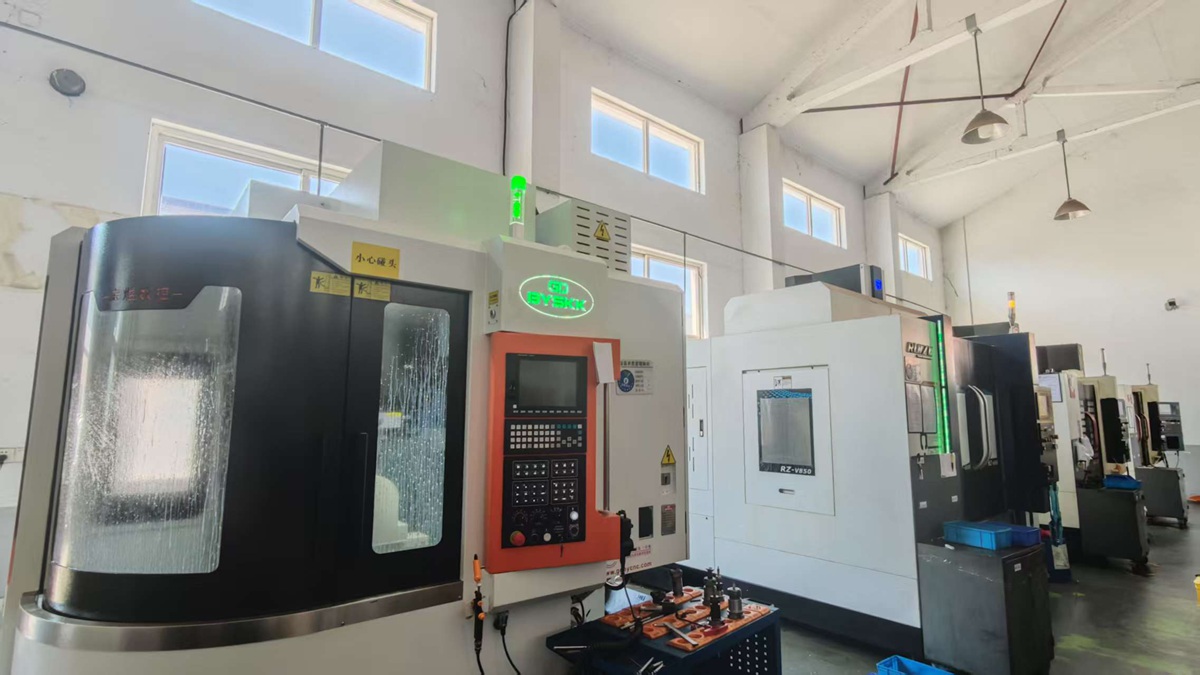
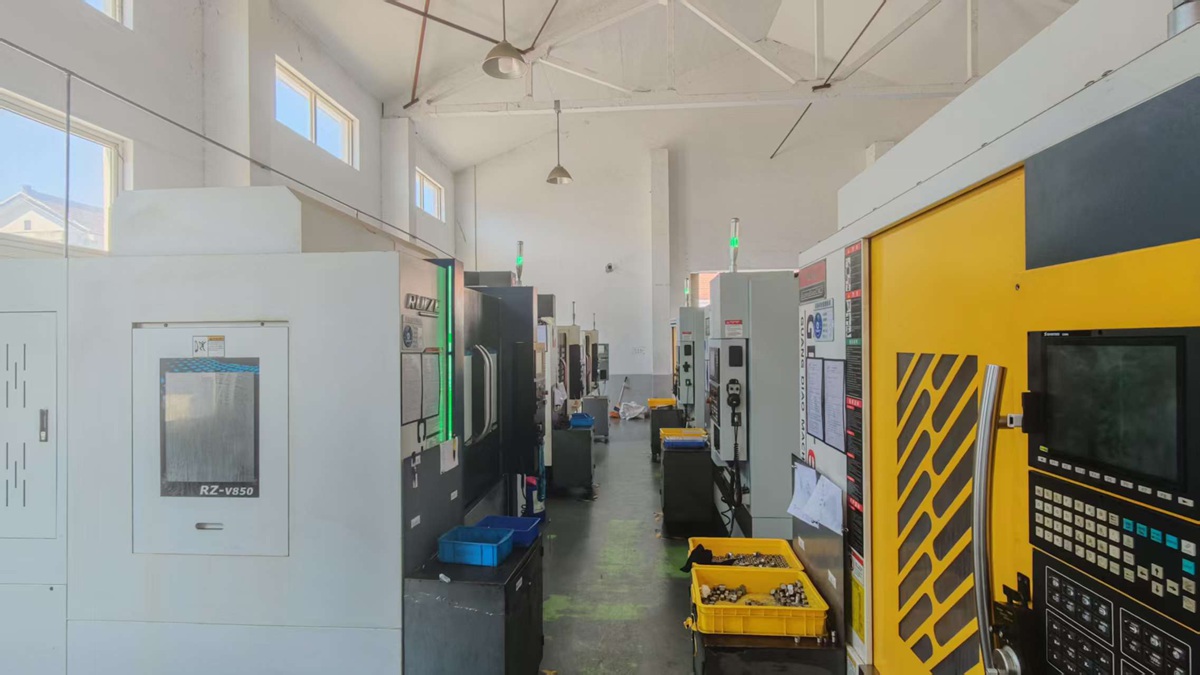
Our manufacturing facility is equipped with production machinery imported from Germany, and high-level testing systems. Below are the key processes that support our orthopedic implants and surgical instruments.
High-precision subtractive machining techniques applied to medical polymers and titanium structures, ensuring strict dimensional tolerances.
Advanced surface treatments and dimensional micro-adjustments for perfect fitment with mating surgical instrumentation components.
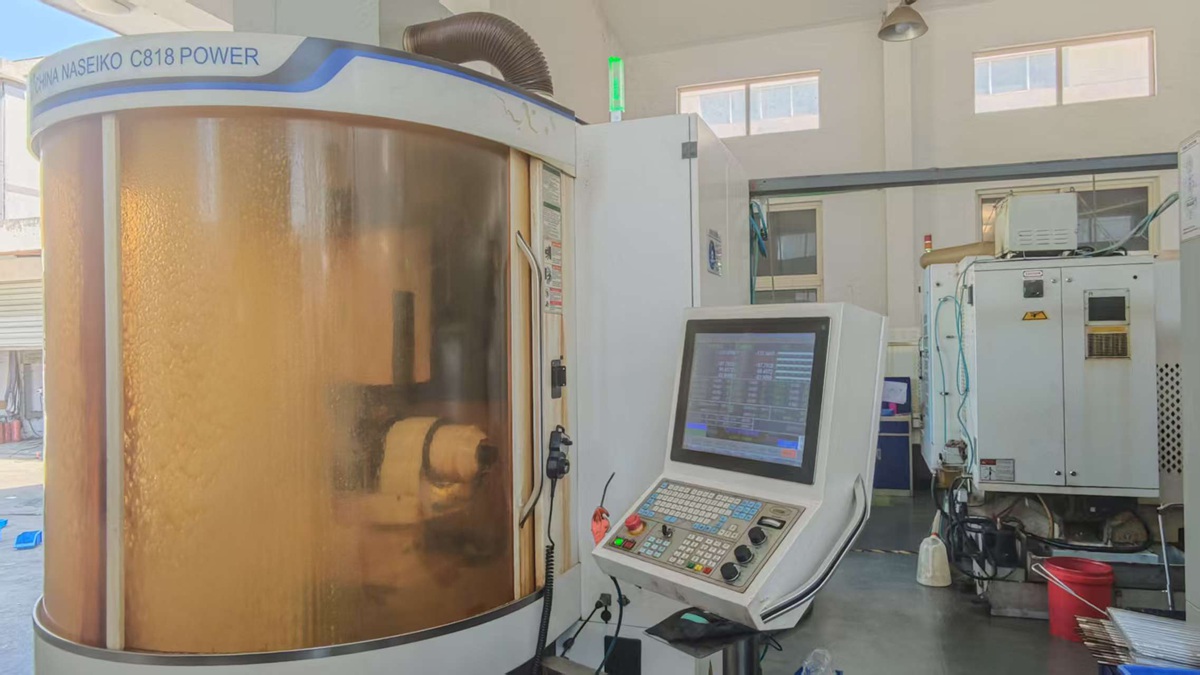
Highly complex spatial geometries on surgical drills, reamers, and fixation taps are resolved using automated five-axis tool grinding setups.
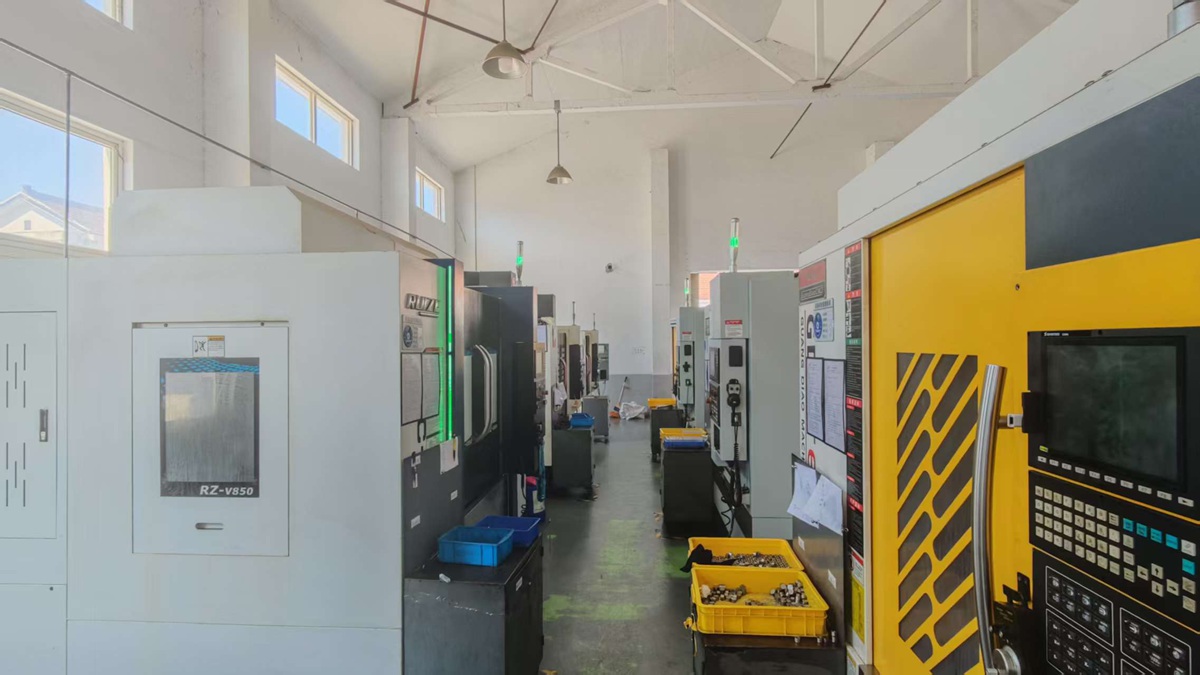
Multi-station automated centers perform continuous processing runs of orthopedic screws, plates, and surgical assembly units.
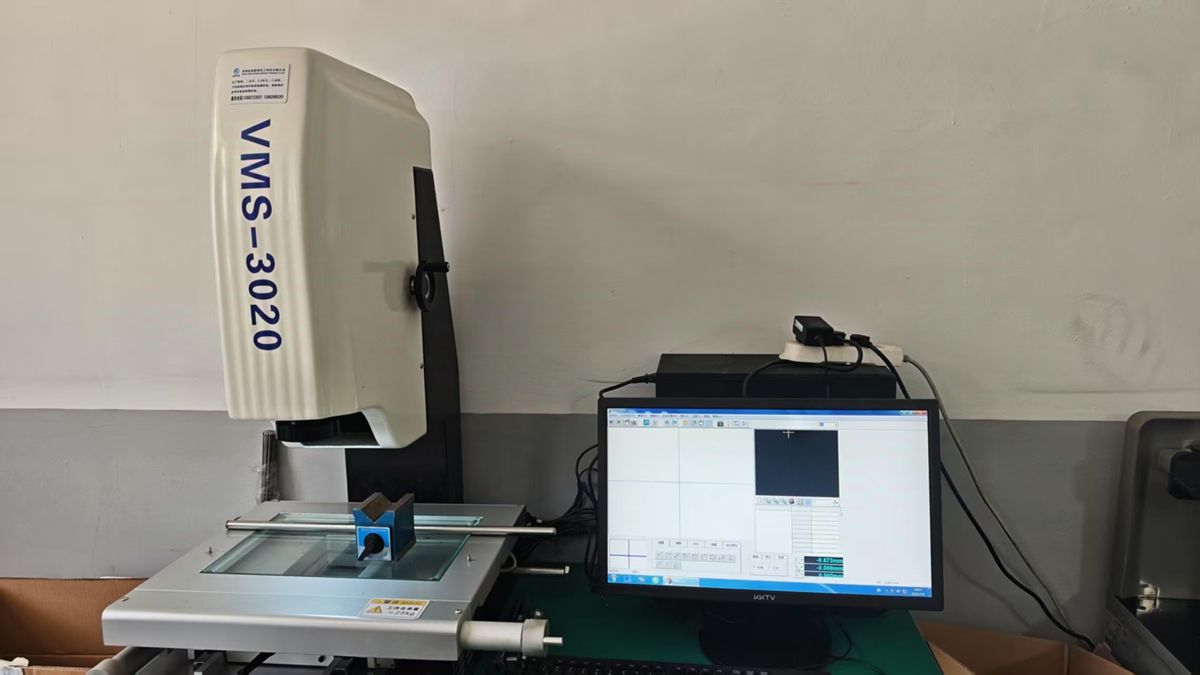
Optical coordinate systems verify dimensional tolerances at the sub-micron scale, preventing assembly errors during surgical application.
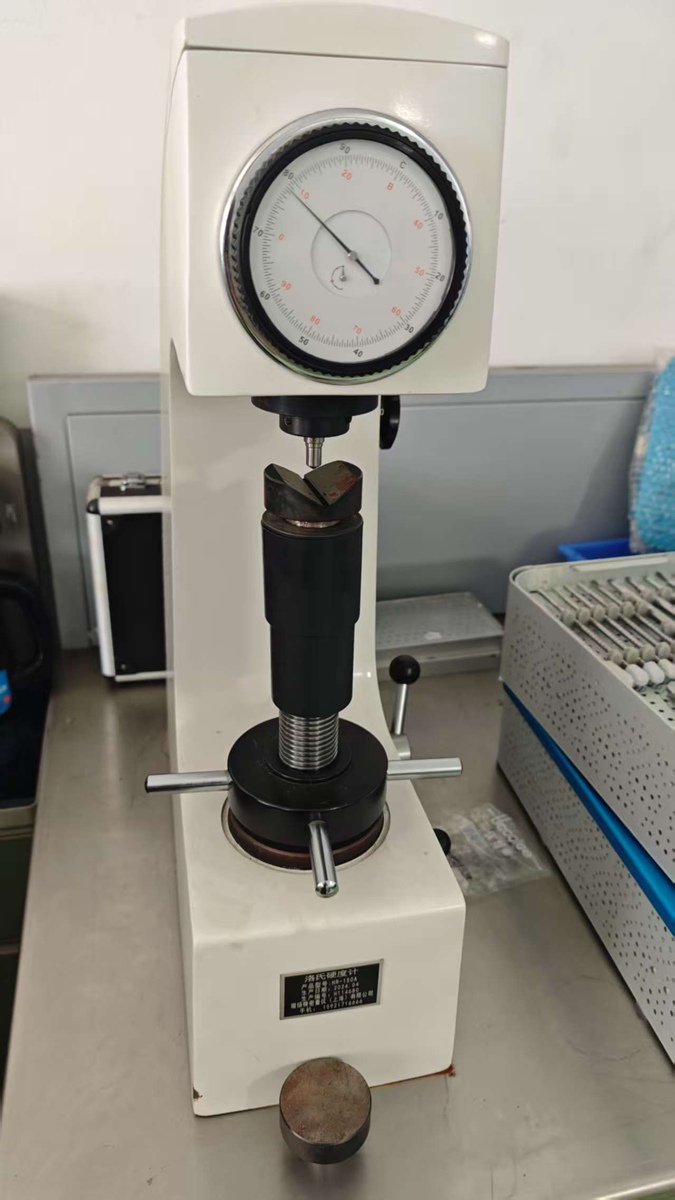
Quality control testing of materials to verify wear properties and mechanical stability under simulated surgical loads.
An advanced micro-polishing technique used to optimize surface finish on complex surgical instruments. It minimizes surface friction and improves corrosion resistance by creating a passive chromium oxide layer on stainless steel and titanium structures.
Automated CNC lathe units perform high-speed axial threading operations on titanium skeletal plates and bioresorbable locking elements, maintaining thread profiles across batch lots.

Registering medical devices in local jurisdictions (such as European MDR, US FDA, SFDA, or ANVISA) is a major challenge for medical distributors. Hangzhou DTRX Medical Technology Co., Ltd. addresses this requirement by providing extensive regulatory documentation and support.
Our entire manufacturing plant operates under a certified quality management system specifically for medical devices. Every batch process is logged and traceable back to the raw material melt-heat data sheet.
Our primary implant products hold CE certification. This streamlines customs clearance and regulatory entry protocols throughout the European Union and aligning markets.
Implant lines undergo evaluation including cytotoxicity, systemic toxicity, genotoxicity, and local tissue reaction assays (ISO 10993). Sterilization is validated under ISO 11135 (Ethylene Oxide) or ISO 11137 (Gamma Irradiation) protocols.
Looking forward, material science is moving beyond basic single-polymer structures toward bio-composite configurations that support bone healing.
By blending TCP (Tricalcium Phosphate) or HA (Hydroxyapatite) into bioresorbable polyesters, the implant degrades while releasing calcium and phosphate ions locally. This buffers acidic degradation byproducts, neutralizes inflammation, and stimulates local osteogenesis.
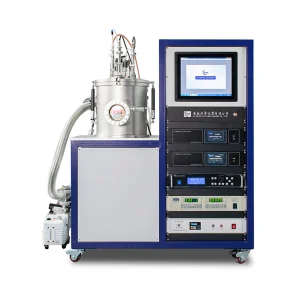
Applying advanced physical vapor deposition (PVD) magnetron sputtering coatings and specific gas plasma processing enables spatial control over bone-to-implant interfaces, accelerating early stabilization in challenging clinical indications.
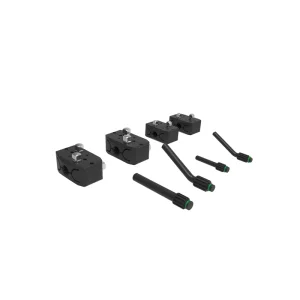
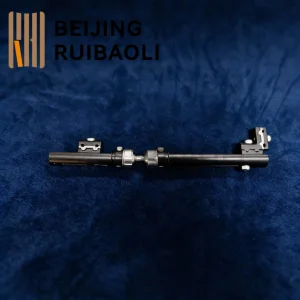
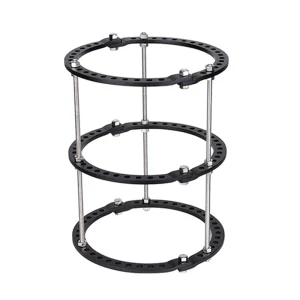
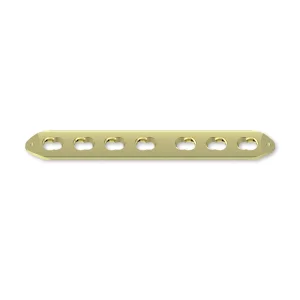
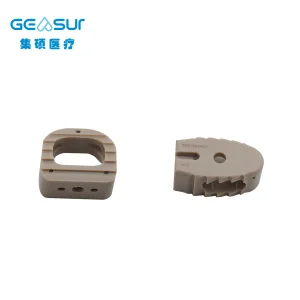
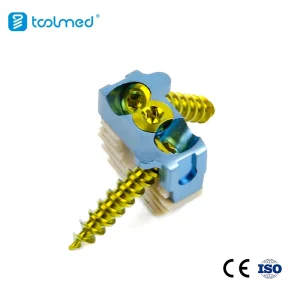
Complementary orthopedic implants, spinal interbody fusion systems, and external stabilization solutions designed for specialized surgical configurations.

Detailed answers to common questions about materials, sterilization, degradation kinetics, and global procurement procedures.
 DTRX Orthopedic Implants