How to Verify FDA or CE Certification for Orthopedic Implants?

Time:2026-05-28 Author:Oliver
0%

When considering orthopedic implants, ensuring their certification is crucial for safety. Many depend on implants' quality and their compliance with health standards. Knowing how to check if orthopedic implants are FDA or CE certified can help you make informed decisions.

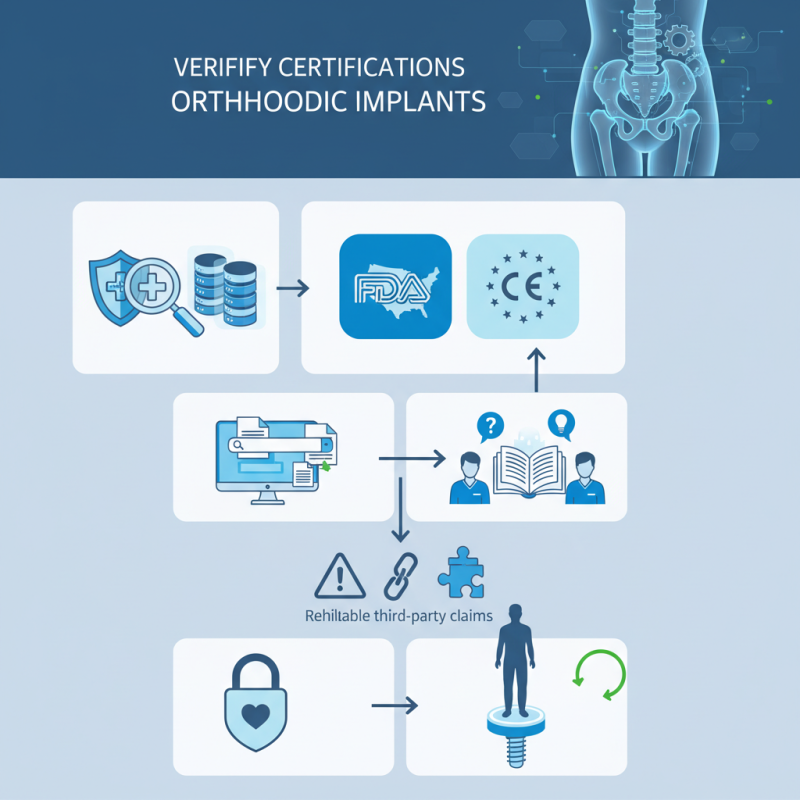
The FDA (Food and Drug Administration) certifies medical devices in the United States. In Europe, CE (Conformité Européenne) certification guarantees products meet specific health regulations. Verifying these certifications requires a methodical approach. You should start by searching official databases. These resources provide credible information on various implants. However, not all brands may be listed, potentially causing confusion.

Consider potential gaps in certification checks. Sometimes, third-party claims may mislead consumers. Trusting a brand based solely on reputation can be risky. Take time to verify details independently. Engaging with professionals in the field can enhance your understanding. Ensuring the safety of orthopedic implants starts with knowing how to validate their certification status.
How to Verify FDA or CE Certification for Orthopedic Implants?

Understanding FDA and CE Certification in Orthopedic Implants

When it comes to orthopedic implants, understanding the significance of FDA and CE certification is crucial. The FDA (Food and Drug Administration) regulates medical devices in the U.S. This agency ensures that products are safe and effective. It requires rigorous testing and documentation before approval. CE marking, on the other hand, shows compliance with European health and safety standards. Manufacturers must demonstrate that their products meet essential requirements. Both certifications reflect a commitment to quality in orthopedic care.

Verifying these certifications involves a few key steps. You can start by checking the official regulatory agency's websites. They often provide searchable databases for approved devices. Look for reports or notices regarding specific implants. However, finding reliable information can sometimes prove challenging. New devices might lack extensive data. It’s essential to seek expert opinions from healthcare professionals. They can provide insights that are not immediately available through official channels.

Not all orthopedic implants meet the same standards. Some may have only minimal compliance or outdated certification. Always scrutinize the certification details thoroughly. This diligence ensures that patients receive the safest options available. Medical advancements are ongoing, and keeping informed is vital for both practitioners and patients alike.

Steps to Verify FDA Certification for Orthopedic Implants

Verifying FDA certification for orthopedic implants is essential for ensuring safety and effectiveness. The FDA requires rigorous trials before granting approval. As of 2021, nearly 90% of orthopedic devices undergo the 510(k) process, demonstrating substantial equivalence to existing products. This process can take an average of six months, depending on the implant type.


To verify FDA certification, start by visiting the FDA's search database. Enter the device name or company to find the listing. Look for the 510(k) number, which indicates approval status. Always check for any recalls or safety alerts associated with the product. This data can often reveal critical information regarding the device’s performance.


Tip: Cross-reference information from professional organizations or journals. The American Academy of Orthopaedic Surgeons publishes research that evaluates implant safety.


Some products may lack clear documentation. This can raise questions about their reliability. Be cautious with implants that seem to have bypassed thorough testing. While many devices are effective, unverified implants could pose risks to patients. Always prioritize devices with transparent histories and reliable endorsements.


Tip: Regularly consult recent studies or reports on implant advancements. They provide insights into emerging trends and safety profiles.

Steps to Verify CE Certification for Orthopedic Implants

Verifying CE certification for orthopedic implants is critical for ensuring patient safety and product reliability. Start by checking the manufacturer's documentation. Look for the Declaration of Conformity, which outlines compliance with relevant European standards. This document is essential. Without it, the product's validity is questionable.

Next, visit the European Commission's database or national authorities’ websites. These resources can help you confirm whether the product is registered and compliant with CE regulations. Some products may lack proper registration due to oversight or lack of awareness. Identifying these instances is crucial as they pose risks to health.

Finally, investigate the Notified Body involved. Their reputation can vary. Seek information on their experience and assessments they conduct. Some Notified Bodies may have limitations in their evaluations, which can lead to unverified implants entering the market. This approach requires due diligence but is vital for making informed decisions regarding orthopedic implants.

Common Resources for Checking Certification Status

Verifying FDA or CE certification for orthopedic implants is crucial for ensuring safety and efficacy. Various resources can help in this process. One primary source is the official FDA database. This database includes detailed information on approved medical devices. The FDA recognizes over 200,000 orthopedic devices, but not all are mandatory for certification. Hence, cross-checking is essential.

Another valuable resource is the European Medical Device Database. It contains information on CE-marked orthopedic implants. According to recent industry reports, approximately 10% of surveyed medical professionals rely on personal verification. However, this can lead to inconsistencies. Relying solely on anecdotal evidence can be misleading. It’s essential to consult official databases and records.

Industry guidelines emphasize using registries and databases. For instance, the Global Medical Device Nomenclature (GMDN) provides standardized terms for medical devices. This can improve clarity in certifications. However, users must be cautious about outdated information. Regular updates to these resources are vital for maintaining accuracy in verification. Therefore, it's important to be diligent and thorough in checking the certification status of orthopedic implants.

Importance of Certification Verification for Patient Safety

Verifying FDA or CE certification for orthopedic implants is crucial for patient safety. In the medical field, improper or unverified implants can lead to severe complications. According to a report by the World Health Organization, nearly 2.5 million surgeries annually involve orthopedic implants, underlining the need for rigorous quality checks.

Certifications like FDA and CE symbolize that products meet required safety standards. Failure to verify these certifications can result in using substandard materials. The European Commission reports that around 10% of medical devices do not meet safety regulations. These statistics highlight a critical gap in the verification processes that could directly impact patient health.

Moreover, only 60% of healthcare professionals trust existing certification processes. This raises concerns about the thoroughness of inspections and the reliability of data presented by manufacturers. Patients deserve assurance that implants undergo robust testing. Engaging in diligent verification can bridge this gap and improve overall trust in medical devices.

FAQS

: What is the role of the FD

in orthopedic implants?

How can I verify if an orthopedic implant is FDA certified?

Start by visiting the FDA's search database. Enter the device name to find its approval status and details.

What does CE marking indicate?

CE marking shows that a product meets European health and safety standards and complies with essential requirements.

Why is it important to check the certification details of implants?

Some implants may have minimal compliance or outdated certifications, which can affect patient safety.

What should I do if I can’t find reliable information on an implant?

Seek expert opinions from healthcare professionals. They can offer insights not available through official channels.

What is the average time for the FDA's 510(k) process?

The average time is about six months, depending on the type of orthopedic implant.

What kind of risks do unverified implants pose?

Unverified implants might lack thorough testing, potentially resulting in risks to patient safety.

How can I stay informed about orthopedic implant safety?

Regularly consult recent studies and professional journals for updates on implant advancements and safety profiles.

Conclusion

The article titled "How to Verify FDA or CE Certification for Orthopedic Implants?" provides a comprehensive overview of the significance of certification in ensuring the safety and efficacy of orthopedic implants. It emphasizes understanding the differences between FDA and CE certifications and outlines the detailed steps necessary to verify these certifications for orthopedic products. The discussion also highlights useful resources that can aid individuals in checking the certification status of implants.

For those wondering how to check if orthopedic implants are FDA or CE certified, the article suggests utilizing official websites, regulatory databases, and other reliable platforms that publish certification information. Furthermore, it underscores the importance of this verification process, not only for healthcare professionals but for patient safety as well, ensuring that only approved and safe implants are used in medical procedures.

Oliver

Oliver

Oliver is a seasoned marketing professional with a wealth of expertise in driving brand awareness and engagement. With a deep understanding of our company's product offerings, he consistently delivers high-quality content that enriches our professional blog. His insights not only shed light on......