When considering orthopedic implants, it's crucial to understand how to verify the quality of orthopedic implants before buying. With numerous options on the market, ensuring the reliability of these products can be daunting. A poor-quality implant can lead to serious complications and diminish the success of surgical procedures. Thus, buyers must prioritize quality over convenience in their purchasing decisions.
To navigate this complex landscape, evaluate suppliers meticulously. Research their reputation and track record in the orthopedic field. Look for certifications and compliance with industry standards as indicators of quality. Engage in discussions with healthcare professionals who have firsthand experience with various implants. Their insights can provide valuable guidance.
Additionally, consider the materials used in the implants. Understanding the science behind different materials can illuminate their durability and compatibility. Each detail matters, as even minor oversights in quality verification can lead to significant consequences. This necessitates a conscientious approach to purchasing orthopedic implants to ensure patient safety and optimal outcomes.
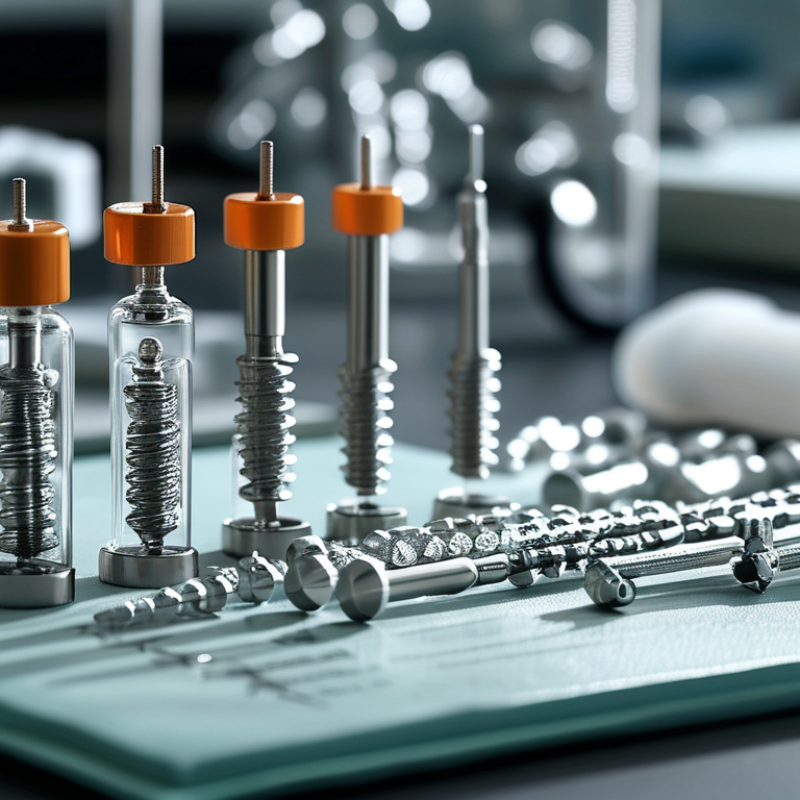
When it comes to orthopedic implants, quality is paramount. The impact of substandard implants can lead to serious complications, including infection and implant failure. According to industry reports, as many as 20% of total joint replacements may require revision surgery due to issues with the implants. This statistic underscores the urgent need for high-quality products in orthopedic procedures.
Monitoring manufacturers is crucial. Look for those that adhere to international quality standards, such as ISO certifications. Practical Tip: Request documentation about the quality control processes from the manufacturer. Transparency sets a reliable standard.
Collaborate with experienced medical professionals. Their insights about different implants can provide valuable guidance. Practical Tip: Ask surgeons about their preferred implants based on their personal outcomes with patients. A surgeon’s expertise can guide you through the complexities of implant selection.
Understanding the importance of quality can ultimately lead to better patient outcomes. Although price is a factor, the cheapest options often compromise safety. Always consider performance data, like long-term success rates of implants. Research shows that implants from reputable providers generally have a 90% success rate over ten years. A thorough evaluation process is essential for ensuring the longevity and effectiveness of implants.
: Quality is essential for patient safety and recovery. Material used in implants is crucial for effectiveness.
Biocompatibility ensures that the body accepts the implant without rejection, which promotes healing.
Look for certifications indicating implants have undergone thorough testing and meet quality assurance protocols.
Medical professionals can share firsthand experiences and insights about specific implants, aiding your decision-making process.
Each procedure may require different designs. Not all implants are effective for every condition.
Ask about long-term outcomes associated with implants. This information can influence your choice significantly.
A second opinion provides different perspectives on the suitability of certain implants.
Clinical trials validate implant designs and assess the long-term performance of materials used.
Not all clinical studies are equal. Some may have flaws, requiring careful scrutiny of their data.
Advancements in orthopedic technology can enhance outcomes, but they may not be widely recognized yet.
Ensuring the quality of orthopedic implants is crucial for successful outcomes in surgical procedures. When considering how to verify the quality of orthopedic implants before buying, one should focus on several key factors. Understanding the importance of material quality and compliance with recognized standards is paramount. Evaluating the reputation of manufacturers and their certifications can provide insights into their commitment to quality. Additionally, exploring the role of clinical trials and research helps in making informed choices regarding the effectiveness and safety of the implants.
By thoroughly reviewing these aspects, healthcare professionals and patients can make decisions that prioritize safety and efficacy in orthopedic care. Engaging in this diligent assessment process ultimately contributes to better surgical results and enhanced patient satisfaction post-implantation.

 DTRX Orthopedic Implants