Why Do Orthopedic Implants Need Sterile Packaging in 2026?

Time:2026-11-17 Author:Oliver
0%

Orthopedic implants may spend weeks in storage or travel through several distribution points before reaching an operating room. During that time, their packaging must help protect the sterile barrier from damage, moisture, and contamination. A small tear near a seal can be easy to miss under busy clinical conditions. That detail matters. In 2026, hospitals and manufacturers continue to rely on clear packaging controls, careful inspection, and traceable handling to reduce avoidable risks.

Why do orthopedic implants need sterile packaging? Implants such as screws, plates, and joint components enter the body or contact sterile surgical sites, so contamination can have serious consequences. Sterile packaging helps maintain the validated condition of a device until it is opened for use. It also supports identification, storage, and handling when labels and instructions remain legible. Yet packaging alone cannot guarantee safety. Sterilization methods, material compatibility, transport conditions, and staff practices all play a part. A package can look intact and still deserve closer inspection; visual checks have limits. This is an imperfect point, but an important one: sterile packaging is one layer in a broader quality system, not a substitute for sound manufacturing or clinical judgment. Understanding its purpose helps healthcare teams evaluate packaging integrity and make informed decisions before an implant enters the operating room.
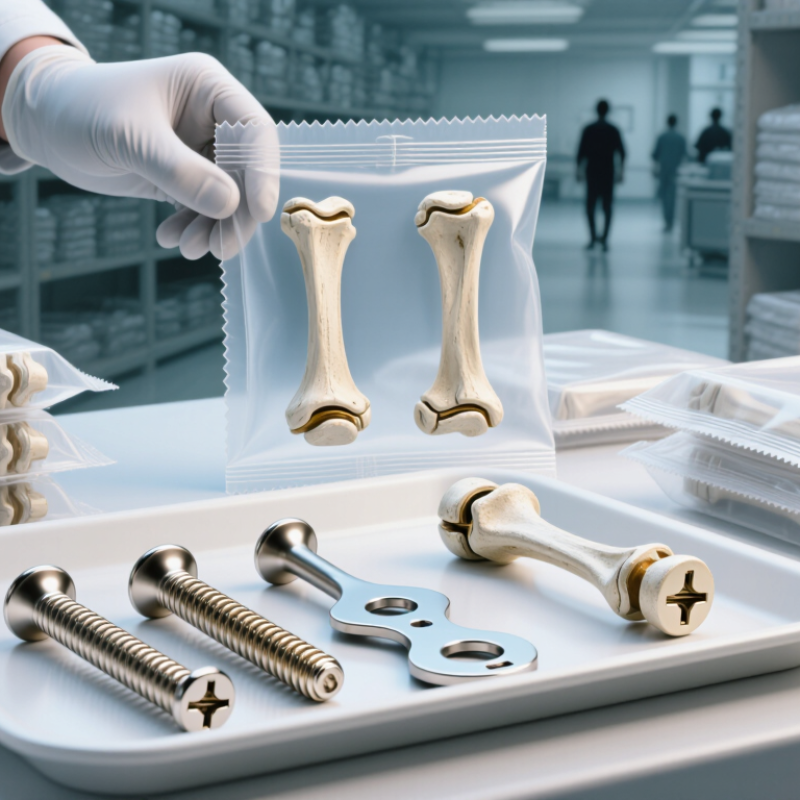
Why Do Orthopedic Implants Need Sterile Packaging in 2026?

What Orthopedic Implants and Sterile Packaging Include

Orthopedic implants include hip and knee prostheses, spinal fixation systems, plates, screws, and intramedullary nails. Some are supplied sterile; others are provided nonsterile and prepared by the care facility. A sterile packaging system typically includes a primary barrier, such as a sealed pouch or rigid tray, plus protective outer packaging. Labels identify the device, lot, and handling details. Small details matter. The implant provides structural support; the packaging protects its sterile condition during storage and transport.

Packaging is not just a container. It must keep the sterile barrier intact until the package is opened for use. ISO 11607-1:2019 addresses packaging systems for terminally sterilized medical devices, including material and system requirements. WHO’s 2018 Global Guidelines for the Prevention of Surgical Site Infection report that infections affect up to 11% of patients undergoing surgery in some low- and middle-income settings. That figure covers surgery broadly, not orthopedic procedures alone. Still, it shows why reliable sterile handling matters. A tray may look pristine while a seal is compromised; appearance alone cannot confirm package integrity.

Tips: Check the seal, package condition, and expiry information before use. Follow the device’s stated storage and handling instructions. Packaging is easy to underestimate, and visual checks are not a substitute for validated design and testing.

How Sterile Packaging Helps Prevent Implant-Related Infections

Why Do Orthopedic Implants Need Sterile Packaging in 2026?

How Sterile Packaging Helps Prevent Implant-Related Infections

An implant may sit beneath tissue for years, but contamination can begin before surgery. Sterile packaging protects the device after sterilization and helps preserve that state during storage and transport. At the operating table, staff inspect the pouch, check its seal, and open it without touching the implant. A pinhole or damp patch matters. Small details matter.

The World Health Organization’s 2018 evidence review reported pooled surgical-site infection incidence of about 11.8 per 100 procedures in low- and middle-income settings. Rates vary by procedure and surveillance, and this figure is not specific to orthopedic implants. Still, it shows why dependable infection controls matter. Packaging cannot prevent every implant infection; patient factors, surgical technique, and handling all contribute. It can, however, reduce one avoidable route of contamination when the sterile barrier remains intact. ISO 11607-1:2019 sets requirements for packaging systems designed to maintain the sterility of terminally sterilized medical devices. Teams should check seals and packaging integrity before use, and follow validated handling procedures. Sterile packaging is not magic. It is one quiet safeguard, and its limits deserve attention.

How Packaging Protects Implants During Storage and Transport

An orthopedic implant may spend weeks or months in storage before it reaches an operating room. During that time, its sterile packaging helps preserve the condition established through validated manufacturing and sterilization processes. The packaging does not make an implant sterile by itself. It helps maintain the sterile barrier until the package is opened.

Storage and transport bring different risks. A carton can be crushed beneath heavier cases, while a sharp edge may puncture a pouch. Vibration can also cause components to shift inside their protective packaging. A properly designed system combines a sterile barrier with outer packaging that helps limit physical damage. Clear labels support identification and stock rotation. Small details matter.

Temperature, humidity, and handling conditions should follow the product’s specified storage requirements. Packaging is not magic; it cannot correct poor handling or unsuitable storage. Nothing is foolproof. At receiving, staff should check for tears, broken seals, wet cartons, or other signs of damage, then follow facility procedures when concerns arise. This step can feel routine, but it is where a hidden transport problem may first become visible. A package that looks intact is useful evidence, not a substitute for appropriate handling and inspection.

How Sterile Barrier Systems Are Tested and Validated

Why Do Orthopedic Implants Need Sterile Packaging in 2026?

For an orthopedic implant, sterile packaging is part of the protection system, not just a clean-looking wrapper. It must maintain a sterile barrier through storage, transport, and handling until the package is opened. Seals, materials, and opening features all matter. Small flaws matter. Packaging should also suit the implant’s shape, weight, and sterilization method. A sharp edge can challenge a pouch; a heavy component can stress a tray.

How Sterile Barrier Systems Are Tested and Validated

Validation examines both the package design and the process that makes it. ISO 11607 offers a commonly used framework for sterile barrier systems. Testing may assess seal strength, package integrity, and microbial barrier performance. Teams also check compatibility with sterilization, then simulate shipping and handling. Aging studies help assess whether seals and materials remain protective over time. Production validation typically includes installation, operating, and performance checks on sealing equipment. No single test proves everything. Results depend on the package configuration and test method, so records and clear acceptance criteria are essential. In practice, a neat seal is reassuring, but it is not enough.

Tips: Keep the implant and packaging configuration consistent during testing. Inspect seal areas for wrinkles, channels, or contamination. Document deviations, even when they seem minor. Some findings may require a second look.

Why Orthopedic Implants Need Sterile Packaging in 2026

Sterility assurance level (SAL) describes the probability of a viable microorganism remaining after a validated sterilization process. A SAL of 10−6—one in a million—is widely used for terminally sterilized medical devices. SAL is a sterilization measure, not a packaging test result.

Sterile barrier systems are evaluated separately. ISO 11607 covers packaging materials, sterile barrier systems, and packaging process validation; testing commonly assesses seal integrity and strength, as well as performance after distribution and aging.

What Regulatory and Supply-Chain Changes Matter in 2026

Why Do Orthopedic Implants Need Sterile Packaging in 2026?

In 2026, packaging teams face a changing regulatory landscape, not one universal rulebook. In the United States, the FDA’s Quality Management System Regulation takes effect on February 2, aligning requirements more closely with ISO 13485 while retaining additional U.S. provisions. Manufacturers should review how packaging controls, supplier records, and corrective-action processes fit their quality systems. Requirements still vary by market.

For sterile barrier systems, documented validation remains essential. ISO 11607 provides a widely used framework for packaging materials and processes, including sealing and performance evaluation. A pouch seal may look sound but fail after transport vibration or aging. Small details matter. Teams need evidence that the package maintains sterility through handling and storage, not just at the production line.

Supply chains add pressure. A change in film, adhesive, sterilization site, or packaging subcontractor can affect validated performance and trigger reassessment. More suppliers are also being asked for traceability, change notifications, and clearer capacity plans. That sounds tidy on paper. It rarely is. Lead times, regional disruptions, and limited testing capacity can make a qualified alternative difficult to secure quickly. Risk-based planning helps, but it cannot replace checking real package performance under the conditions an implant will encounter.

FAQS

Why do orthopedic implants need sterile packaging during storage?

Packaging helps maintain the sterile barrier established during manufacturing and sterilization. It does not sterilize the implant itself. Small details matter.

How can packaging reduce damage during transport?

A sterile barrier and protective outer carton help guard against punctures, crushing, and vibration. Components can still shift if handling is poor.

What should staff check when an implant package arrives?

Look for torn pouches, broken seals, wet cartons, or visible crushing. Follow facility procedures if anything seems damaged. A quick glance is not always enough.

Which storage conditions matter?

Follow the product’s specified temperature, humidity, and handling requirements. Packaging cannot make unsuitable storage safe. Nothing is foolproof.

How is sterile packaging performance evaluated?

Documented validation checks whether packaging maintains its barrier through sealing, handling, storage, and transport. A seal may look sound but fail after vibration or aging.

Which changes may require packaging reassessment?

Changes to film, adhesive, sterilization location, or packaging suppliers may affect validated performance. Even a small material change deserves review.

What quality-system changes matter in 2026?

A United States quality-system regulation takes effect on February 2, 2026, with requirements aligned more closely to an international quality standard. Additional national provisions remain, and requirements vary by market.

What supply-chain challenges can affect implant packaging?

Regional disruptions, long lead times, or limited testing capacity can delay qualified alternatives. Traceability and clear change notifications help, but plans need real performance evidence. On paper, it sounds simpler.

Conclusion

Why do orthopedic implants need sterile packaging? Orthopedic implants, including devices used to support, replace, or stabilize bones and joints, must reach clinical settings in a condition suitable for safe use. Sterile packaging helps maintain the product’s sterile state until it is opened, reducing the chance that microorganisms will contaminate an implant and contribute to an infection. It also serves as a protective barrier against physical damage, moisture, and other environmental conditions during storage and transport.

This overview explains how sterile barrier systems are designed, tested, and validated to preserve both sterility and package integrity throughout a product’s expected journey. It also considers why packaging requirements remain important in 2026, as regulatory expectations, supply-chain practices, and distribution routes continue to evolve. Careful packaging design and appropriate handling support reliable access to implants while helping healthcare teams protect patients and maintain confidence in the devices they use.

Oliver

Oliver

Oliver is a seasoned marketing professional with a wealth of expertise in driving brand awareness and engagement. With a deep understanding of our company's product offerings, he consistently delivers high-quality content that enriches our professional blog. His insights not only shed light on......