How to Choose Titanium or PEEK Orthopedic Implants?

Time:2026-07-02 Author:Sophia
0%

When considering orthopedic implants, the choice between materials is critical. Titanium and PEEK are two prominent options, each with unique properties. How to choose between titanium and PEEK orthopedic implants affects surgical outcomes and patient satisfaction.

Titanium is known for its strength and biocompatibility. It integrates well with bone and provides durability. However, its stiffness can lead to stress shielding, impacting surrounding bone health. PEEK, on the other hand, offers flexibility and lower stiffness, which can better match natural bone. But some believe it may not bond as effectively with bone compared to titanium.

Choosing the right implant requires careful assessment. Surgeons must consider individual patient needs, activity levels, and potential complications. A one-size-fits-all approach may not exist. Understanding the specific advantages and limitations of both materials is vital. Patients should engage in discussions with their healthcare providers to make informed decisions tailored to their unique circumstances.
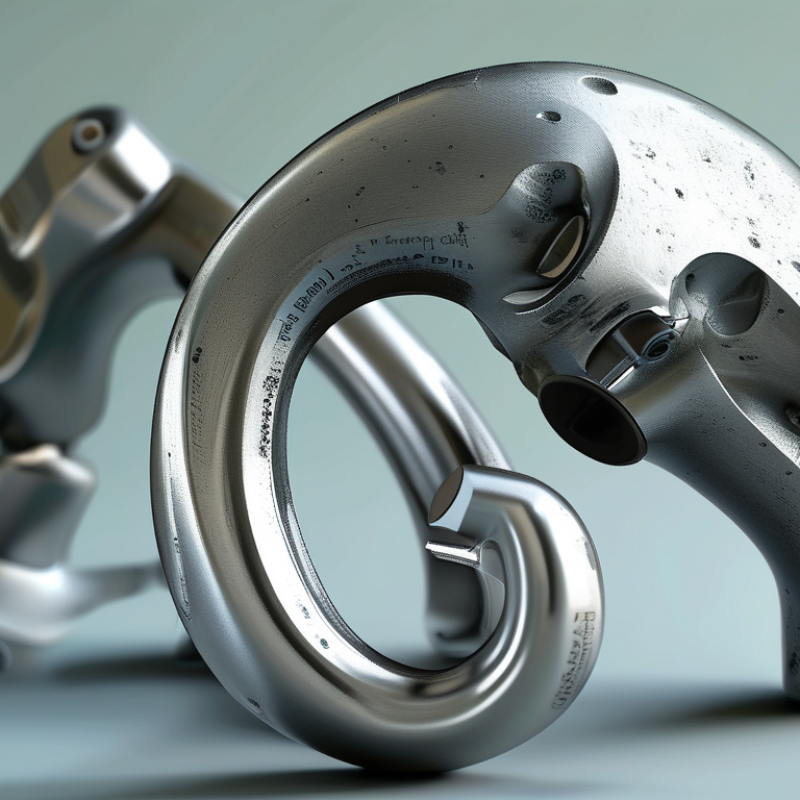
How to Choose Titanium or PEEK Orthopedic Implants?

Comparative Analysis of Titanium and PEEK Properties in Orthopedic Implants

When selecting orthopedic implants, the choice between titanium and PEEK (Polyether Ether Ketone) is crucial. Both materials exhibit unique properties that impact their performance in medical applications. Titanium has a long history in orthopedic surgery, known for its strength and biocompatibility. It integrates well with bone, promoting stability. However, it can cause issues like stress shielding due to its dense structure.

PEEK, however, offers a notable advantage in terms of lightweight and flexibility. Its lower elastic modulus closely resembles that of bone, potentially reducing stress shielding. This feature may lead to better patient outcomes in terms of bone healing. However, PEEK is not as strong as titanium and may not withstand the same loads in high-stress applications.

Tips for choosing between these materials include consulting with a specialist about your personal health needs. Consider the specific application of the implant and your lifestyle. Finally, reflect on the long-term implications of each material on your health. Making an informed decision can enhance recovery and overall patient satisfaction.

Biocompatibility: Evaluating Titanium and PEEK for Patient Safety

When choosing between titanium and PEEK for orthopedic implants, biocompatibility is a key factor. Biocompatibility refers to how materials interact with the human body. Titanium has long been favored due to its strength and proven history. It integrates well with bone and has low corrosion rates. Many surgeons trust titanium due to extensive research supporting its safety and effectiveness.

On the other hand, PEEK has gained attention in recent years. This polymer is lightweight and radiolucent. It allows for better imaging after surgery, which can be critical during patient follow-ups. However, PEEK’s integration with bone may not be as robust as titanium. Some studies raise questions about its long-term durability in a physiological environment. Understanding these differences encourages deeper reflection on patient outcomes.

Choosing the right material isn’t straightforward. Each patient’s unique needs must be assessed carefully. Surgeons must consider factors like bone quality, implant location, and patient lifestyle. There are ongoing debates about the ideal uses for each implant type. This uncertainty highlights the importance of a nuanced approach to orthopedic solutions.

Mechanical Strength and Durability of Titanium vs. PEEK Implants

When choosing between titanium and PEEK orthopedic implants, mechanical strength and durability play crucial roles. Titanium has been a standard material for many years. Its tensile strength is remarkable, allowing it to withstand significant forces. Additionally, titanium is corrosion-resistant, making it suitable for various physiological environments. These attributes make titanium a reliable choice for load-bearing applications.

On the other hand, PEEK offers unique advantages. While it may not match titanium in tensile strength, PEEK exhibits excellent fatigue resistance. It is lighter, which can lead to less stress on surrounding tissues. Furthermore, PEEK’s modulus of elasticity is closer to that of bone, which may help reduce stress shielding. However, the long-term performance of PEEK in load-bearing situations is still under review.

Selecting an implant involves considering both strength and durability. While titanium provides proven reliability, PEEK introduces innovative benefits that may enhance recovery. Surgeons and patients must weigh these factors carefully to find the ideal solution. When exploring options, always consult with specialists who understand the nuances of these materials.

Comparison of Mechanical Strength and Durability: Titanium vs. PEEK Orthopedic Implants

Cost-Effectiveness: Economic Considerations in Implant Selection

When considering orthopedic implants, cost-effectiveness is a vital factor. Titanium and PEEK are leading materials in this field. A study published in the Journal of Orthopedic Research highlights that PEEK implants generally cost around 15% more than titanium ones. However, their potential for better long-term outcomes could justify the higher initial expense. Cost is not the only concern; long-term effectiveness still reigns supreme.

Surgeons often weigh performance against cost. Titanium implants are known for their exceptional strength and biocompatibility. PEEK offers lighter weight and flexibility, which can lead to enhanced patient comfort. It is crucial to assess not only the initial price but also the total cost of ownership. This includes surgical time, potential complications, and rehabilitation costs.

Tips: Evaluate the patient's specific needs and activities. Cost can vary based on the surgical procedure and hospital resources. Collaborate with a multidisciplinary team to make informed decisions. Consider future trends in material advancements. Reflect on the possibility of unexpected complications that could arise with cheaper options. Always aim for the best balance between cost and performance.

Clinical Outcomes: Success Rates of Titanium and PEEK in Orthopedic Surgery

The choice between titanium and PEEK implants is essential in orthopedic surgery. Titanium has long been the standard due to its strength and biocompatibility. A study published in the Journal of Orthopedic Research reports that titanium implants exhibit a high success rate, approximately 90% in fusion surgery. These implants effortlessly integrate with bone tissue, promoting healing. Yet, titanium has its limitations, such as causing artifacts in imaging, which can complicate postoperative assessments.

PEEK, on the other hand, is gaining traction. Data from the International Journal of Spine Surgery highlighted that PEEK implants achieve a success rate of around 85% in spinal surgeries. Their radiolucent nature provides better imaging outcomes. However, some surgeons question the long-term durability of PEEK compared to titanium. It's important to weigh these factors when considering implant options.

Clinical outcomes also vary based on patient demographics. Younger patients show different success rates compared to older adults. Often, titanium may provide superior stability for heavier individuals, while PEEK can be preferable for those with allergic reactions to metals. Each material has its pros and cons, and careful evaluation is crucial to optimize patient outcomes. The choice must reflect individual circumstances, opening a dialogue about the potential benefits and drawbacks of each material.

How to Choose Titanium or PEEK Orthopedic Implants? - Clinical Outcomes: Success Rates of Titanium and PEEK in Orthopedic Surgery

Implant Material Common Applications Success Rate (%) Complication Rate (%) Patient Satisfaction (%)
Titanium Joint Replacements, Fracture Fixation 95 5 90
PEEK Spinal Implants, Trauma Fixation 92 3 85
Titanium Alloy Dental Implants, Craniomaxillofacial 97 4 92
PEEK Composite Orthopedic and Spinal Surgery 90 2 80

FAQS

: What are the key considerations when choosing between titanium and PEEK for orthopedic implants?

: Key considerations include strength, biocompatibility, weight, and specific patient needs. Consulting specialists is essential.

How does titanium perform in terms of strength and durability?

Titanium has remarkable tensile strength and is corrosion-resistant. It is reliable for load-bearing applications over time.

What advantages does PEEK offer compared to titanium?

PEEK is lightweight and flexible, closely resembling bone’s elastic modulus. This may reduce stress on surrounding tissues.

Why is biocompatibility important in material selection?

Biocompatibility impacts how materials interact with the body. Titanium has a strong track record, while PEEK raises some concerns.

How does weight affect the choice of material?

PEEK’s lighter weight can lead to less stress on tissues, potentially enhancing recovery. However, it may lack strength in high-stress situations.

What is the significance of stress shielding in orthopedic implants?

Stress shielding occurs when implants disrupt normal bone loading. PEEK may reduce this risk better than titanium due to its elasticity.

Are there any concerns regarding PEEK’s long-term durability?

Yes, some studies question PEEK's long-term performance, particularly in load-bearing scenarios. Ongoing research is needed.

What role does patient lifestyle play in material selection?

A patient’s lifestyle impacts their recovery and the implant's performance. Personal health needs should be assessed thoroughly.

How critical is imaging after surgery for implant assessment?

Imaging is essential post-surgery for tracking recovery. PEEK’s radiolucency allows for clearer imaging compared to denser materials.

Is there a consensus on the best implant material between titanium and PEEK?

No, there's ongoing debate among surgeons. Each patient's needs and conditions must guide the final material choice.

Conclusion

When considering how to choose between titanium and PEEK orthopedic implants, it is essential to analyze several critical factors. A comparative analysis of their properties reveals differences in biocompatibility, where both materials have shown favorable results, ensuring patient safety and minimal adverse reactions. Mechanical strength and durability are vital for the longevity of implants, with titanium often praised for its robustness, while PEEK offers advantages in flexibility and lower stress shielding.

Additionally, cost-effectiveness plays a significant role in implant selection, as economic considerations can impact clinical decisions. Finally, examining clinical outcomes highlights the success rates of both titanium and PEEK implants, enabling healthcare providers to make informed choices based on patient needs and specific surgical contexts. Overall, understanding these factors is crucial for optimal orthopedic implant selection.

Sophia

Sophia

Sophia is a dedicated marketing professional with an exceptional depth of knowledge about her company's products and services. With a keen understanding of market trends and customer needs, she crafts insightful blog posts that not only inform but also engage readers, enriching the company’s online......