2026 Best Orthopedic Implant Shelf Life Guide

Time:2026-11-03 Author:Aria
0%

An orthopedic implant’s shelf life is not the same as its expected service life inside a patient. What is the shelf life of orthopedic implants? In most cases, the answer depends on the specific product, its packaging, sterilization method, and storage conditions. A sealed implant tray may carry an expiration date, while the implant’s long-term performance is assessed separately.

The FDA’s Shelf Life of Medical Devices guidance explains that manufacturers should support shelf-life claims with appropriate stability testing. ISO 11607-1:2019 sets requirements for packaging designed to maintain the sterility of terminally sterilized medical devices. These references help frame a practical point: an intact sterile barrier matters. So does the label. A torn pouch, damp carton, or storage temperature outside the manufacturer’s instructions can change whether a product is suitable for use.

Details matter.

This guide examines common dating practices, packaging checks, storage factors, and differences between implant categories. It also separates the printed expiration date from claims about how long an implant may function after implantation. Those questions are easy to blur, and online summaries sometimes do. There is no single shelf-life number that reliably applies to every orthopedic implant. Always check the product’s current instructions and consult the manufacturer or qualified clinical staff when records are unclear. A date on a box is useful evidence, not the whole story.
2026 Best Orthopedic Implant Shelf Life Guide

What Shelf Life Means for Orthopedic Implants

For an orthopedic implant, shelf life usually means the period during which the unopened, sterile package is validated to maintain its barrier and contents. It does not mean the implant will function for that many years inside a patient. The expiry date applies to the packaged device, not its expected service life.

Check the label for the date, storage conditions, and package integrity. A torn seal or damp carton deserves attention, even when the printed date is still valid.

Shelf-life claims rely on evidence, not a universal number of years. ISO 11607-1:2019 sets requirements for sterile-barrier packaging, while ASTM F1980-21 describes accelerated-aging methods used to estimate packaging stability. ASTM’s commonly applied Q10 value of 2 models a twofold change in aging rate for each 10°C temperature change; real-time aging can still be needed to confirm results.

These are packaging-test assumptions, not a prediction of how long an implant lasts in the body. The distinction is easy to overlook. Labels are sometimes read too quickly. Storage outside the stated range, damaged packaging, or an expired date can affect sterility assurance, so clinical teams should follow the manufacturer’s validated instructions and local procedures.

How Manufacturers Establish Implant Shelf Life

Manufacturers do not set an orthopedic implant’s shelf life by guessing how long the metal will last. They assess whether the complete packaged device remains safe and performs as intended through its labeled storage period. In many cases, the sterile barrier is the limiting factor, not the implant itself. Not the metal alone.

Testing starts with the actual package configuration, including trays, seals, and protective materials. Engineers examine seal strength and package integrity after aging and simulated shipping. Accelerated aging can estimate longer storage periods, while real-time aging provides ongoing confirmation. Both matter. A small seal defect may be more important than a visible change to a titanium surface. Coatings, polymers, and other components also need evaluation because materials can change differently over time.

Manufacturers document test conditions, results, and the reasoning behind the expiration date. Storage limits, such as temperature and humidity, must match the evidence. The date should not be treated as a promise that every device behaves identically; manufacturing variation and handling still matter. This part can be underestimated. A shelf-life claim is only as useful as the testing, packaging controls, and clear labeling that support it.

How Packaging and Storage Affect Implant Integrity

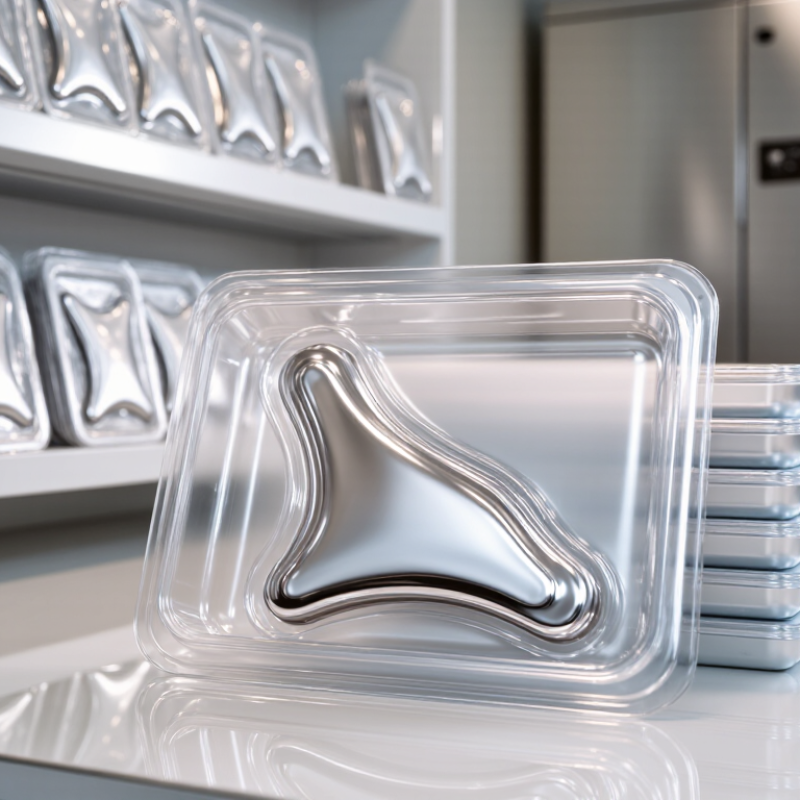
An orthopedic implant’s labeled shelf life depends on more than the metal or polymer itself. Packaging must protect the device and maintain its sterile barrier until use. ISO 11607-1:2019 sets requirements for materials and sterile barrier systems used for terminally sterilized medical devices. A seal can look intact yet still contain a channel or weak spot. Small details matter. Crushed carton corners, moisture, and repeated temperature changes deserve attention during receiving and storage.

ASTM F1980 describes accelerated aging for sterile barrier systems and medical devices. Its Q10 model commonly assumes a twofold aging rate for each 10°C rise. Under that assumption, storage at 55°C represents roughly eight times the aging rate at 25°C. This is a model, not proof that every package behaves identically. Real-time aging data should support the accelerated-aging estimate. Store implants within the conditions stated on their validated labeling, away from heat, direct sunlight, and damp floors. Inspect seals and packaging before release; a damaged outer box is not always evidence of a failed sterile barrier, but it should prompt assessment against documented procedures. That judgment can be uncomfortable. Shelf-life decisions need records, not guesswork.

2026 Best Orthopedic Implant Shelf Life Guide: How Packaging and Storage Affect Implant Integrity

Accelerated-aging estimates use the commonly applied Q10 = 2 model: at 55°C versus a 23°C reference, each day represents approximately 9.19 days of modeled aging. These calculated values are for packaging-aging study planning—not a universal implant expiration period. Actual shelf life depends on the device, validated sterile-barrier packaging, storage conditions, and the manufacturer’s labeling. Follow the product’s instructions for use and inspect packaging before use.

How to Read Expiration Dates and Shelf-Life Labels

2026 Best Orthopedic Implant Shelf Life Guide

An expiration date on a sterile orthopedic implant applies to its unopened package, stored under the conditions specified by the manufacturer. It does not predict how long the implant will last inside a patient. Check the label for “EXP” or “Use By,” then confirm the date format; 04/07/2027 can be ambiguous across systems. Some labels use a year-month-day format instead. A small detail, but an important one.

Read the date alongside the catalog or reference number, lot number, and sterilization information. These identifiers help staff confirm they have the intended device and trace it if a question arises. Compare the outer carton with the sterile inner packaging. If dates or identifiers do not match, pause and follow your facility’s process. Do not guess. A smudged label is not a puzzle to solve.

Shelf life depends on validated testing and stated storage conditions, so there is no single expiration period for every implant. Heat, moisture, crushed corners, or a broken sterile barrier can change whether a package is acceptable, even before its printed date. Never use an expired sterile implant; ask the appropriate clinical or supply-chain lead about next steps. Procedures vary between facilities, and that can be frustrating. Still, checking the current instructions for use is safer than relying on memory or an old checklist.

How to Verify an Implant’s Suitability Before Use

2026 Best Orthopedic Implant Shelf Life Guide
How to Verify an Implant’s Suitability Before Use

An expiry date is only one part of the check. Confirm the implant’s model, size, lot number, and material match the surgical plan and accompanying documentation. Then inspect the sterile barrier under bright light. Look for punctures, open seals, moisture, crushed corners, or labels that do not match the package. Dates matter. If the package is damaged or storage history is uncertain, quarantine it and follow facility procedures; do not assume the implant remains sterile.

Check the manufacturer’s instructions for use for storage limits, sterilization status, and expiry conditions. ASTM F1980 describes accelerated-aging methods for sterile barrier systems, but it does not establish a universal shelf life for every implant. The validated expiry applies to the specific device and packaging configuration. CDC’s healthcare-associated infection materials report that about one in 31 hospitalized patients has an infection on any given day; this broad figure is not an implant-specific risk estimate, but it underlines why sterile handling matters. Do not guess. Record the lot and expiry during verification, and ask the sterile-processing lead or clinical team to resolve discrepancies. In practice, a rushed label check can miss a tiny seal defect. That detail deserves a second look.

2026 Best Orthopedic Implant Shelf Life Guide - How to Verify an Implant’s Suitability Before Use

Verification Dimension What to Check Suitable for Use When Do Not Use / Escalate When
Expiry date and shelf life Read the expiry date on the package label and confirm it applies to the specific item and packaging configuration. The product is within its labeled expiry period and all other package and storage requirements are met. The date has passed, is missing or illegible, or the date cannot be confirmed. Do not infer shelf life from the implant material or product type.
Sterile barrier Inspect every layer of the sterile package for tears, punctures, open seals, moisture, contamination, or other damage. The sterile barrier is intact and has been handled according to the product instructions. Any sterile-barrier damage or suspected contamination is present. Keep the item out of use and follow facility policy.
Label and product identity Match the implant description, size, material, catalogue or reference number, and any required compatibility information to the planned procedure. The item and its labeled specifications match the clinical plan and the applicable instructions for use. The label is unclear, information conflicts, or the item cannot be confidently matched to the required implant.
Lot, batch, and traceability Check that lot or batch details and other required identification are readable and can be recorded under facility procedures. Required identifiers are present and traceability documentation can be completed. Required identifiers are absent, unreadable, or inconsistent with accompanying records.
Storage conditions Review the labeled storage requirements and available records for temperature, moisture, light, or other specified conditions. Storage has remained within the conditions stated in the product labeling, or any excursion has been assessed through the manufacturer’s instructions and facility process. Storage conditions are unknown or a possible excursion has not been assessed. Do not assume the item remains suitable based on appearance alone.
Product condition Where visible without compromising the sterile barrier, look for corrosion, deformation, discoloration, damaged components, or foreign material. The product appears consistent with its labeling and instructions, and there is no evidence of damage or contamination. Damage, corrosion, contamination, or an unexplained change in appearance is observed or suspected.
Sterility and reprocessing status Confirm whether the item is supplied sterile or requires processing, and follow the specific instructions for use and facility procedures. The item’s sterility status is clear and any required processing has been completed and documented as directed. Sterility status is uncertain, required processing records are unavailable, or a single-use item has been reprocessed contrary to its labeling.
Recall or safety notice status Check applicable institutional systems and relevant regulatory or supplier notices using the available product identifiers. No applicable hold, recall, or safety notice prevents use, according to the facility’s current process. The item is subject to an unresolved recall, safety hold, or other restriction.
Implant service life after implantation Keep the labeled pre-use shelf life separate from the expected service life of an implant once implanted. Clinical decisions use the implant’s labeling and appropriate professional judgment; no fixed post-implant lifespan is assumed for all implants. A pre-use expiry date is treated as a prediction of how long an implanted device will last, or a universal service-life claim is assumed.

Important: There is no single shelf-life period that applies to all orthopedic implants. Use the expiry date, storage conditions, and handling instructions on the specific product labeling. If suitability is uncertain, quarantine the item and consult the manufacturer or the facility’s designated quality or sterile-processing team before use.

FAQS

What does an orthopedic implant’s shelf life mean?

It is the validated storage period for an unopened, sterile package. It does not predict how long the implant will function inside a patient. Easy to mix up.

Where can I find the implant’s expiration date?

Check the package label for the date and storage conditions. The date applies to the packaged device, not its expected service life.

What should I check before using an implant?

Inspect the seal and packaging. A torn seal or damp carton deserves attention, even if the printed date has not passed.

Does an intact-looking package guarantee sterility?

Not always. A seal can appear intact but still have a weak spot. Follow documented inspection procedures rather than relying on appearance alone.

How is shelf life tested?

Testing evaluates the complete package, including trays, seals, and protective materials. Manufacturers may assess seal strength and package integrity after aging and simulated shipping.

What is accelerated aging?

It estimates how packaging may change over time under warmer conditions. Real-time aging can help confirm those estimates. Both matter.

How should implants be stored?

Follow the labeled conditions. Keep packages away from heat, direct sunlight, and damp floors. Temperature changes matter more than they may seem.

Does a damaged outer carton mean the sterile barrier has failed?

Not necessarily. It should prompt an assessment under documented procedures. That judgment can be uncomfortable, so records help avoid guesswork.

Conclusion

What is the shelf life of orthopedic implants? It is the period during which an implant is expected to remain suitable for use when kept in its approved packaging and stored under specified conditions. This period is established through testing and evaluation of factors such as packaging performance, material stability, and protection from contamination. It does not necessarily indicate that the implant itself suddenly becomes unsafe after a particular date; rather, it marks the end of the period for which its packaged condition and sterility are supported.

Packaging integrity, moisture, temperature, handling, and storage conditions can all affect an implant’s suitability. Before use, healthcare teams should check the expiration date and labeling, confirm that the product and packaging are intact, and follow the manufacturer’s storage and handling instructions. If a date is unclear, packaging is damaged, or storage history is uncertain, the implant should be set aside until its status can be verified through appropriate clinical and supply procedures.

Aria

Aria

Aria is a dedicated marketing professional with a deep passion for innovative strategies and a keen understanding of our company's product offerings. With a wealth of experience in the industry, Aria excels at crafting engaging content that highlights the unique features and benefits of our......